Why Would a Microwave Stop Heating? Top Causes and Fixes
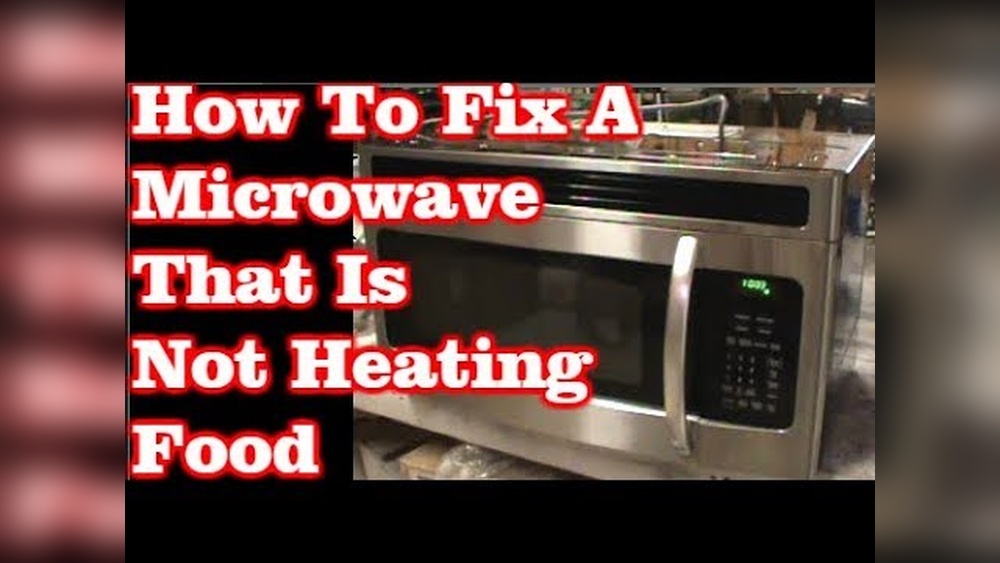
When your microwave suddenly stops heating food, it can be frustrating and confusing. You might hear it running, see the light on, and hear the turntable spinning. But after a minute, your soup is still cold or your popcorn never pops.
Microwaves are common in almost every kitchen, so when they fail to heat, it’s important to know why. Understanding the possible reasons helps you decide whether you can fix the problem yourself or if you need a professional. Let’s explore all the main causes for a microwave not heating, how to identify them, and what you can do to solve the problem.
How A Microwave Heats Food
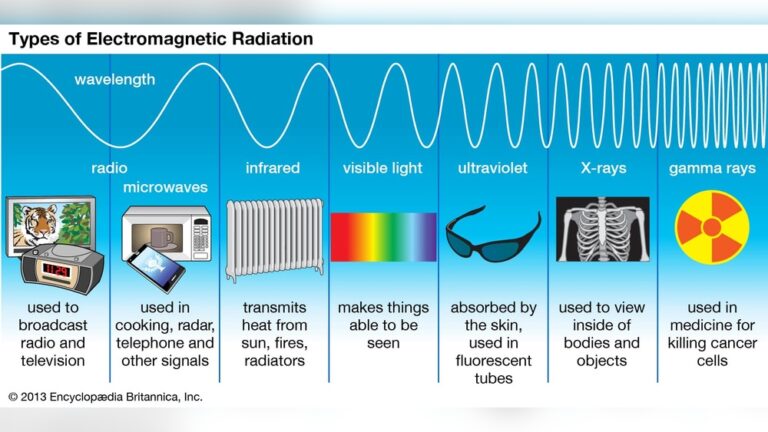
Before looking at why a microwave stops heating, it helps to know how it works. A microwave oven heats food using microwaves—a type of electromagnetic wave. The main part that creates these waves is called the magnetron. When you start your microwave, electricity powers the magnetron, which then sends microwaves into the oven. These waves make water molecules in your food vibrate, creating heat that cooks or warms up your meal.
If any part of this process fails, your food won’t get hot. Sometimes, the microwave will still turn on, but the heat will be missing. Now, let’s look at the main reasons why this happens.
Common Reasons A Microwave Stops Heating
There are several possible causes, ranging from easy-to-fix issues to serious electrical problems. Here are the most common reasons:
1. Magnetron Failure
The magnetron is the heart of your microwave’s heating function. If it fails, your microwave will not heat food, even though other parts may seem to work fine.
- Symptoms: Microwave runs but food stays cold; no unusual sounds or smells.
- Why it happens: Old age, overheating, or using the microwave when empty can damage the magnetron.
- Repair: Replacing a magnetron is expensive and usually requires a professional.
Non-obvious insight: Many people don’t know that even a single use of an empty microwave can burn out the magnetron. Always make sure there’s something inside when running it.
2. High Voltage Diode Failure
The high voltage diode changes AC (alternating current) to DC (direct current) and doubles the voltage. This high voltage powers the magnetron.
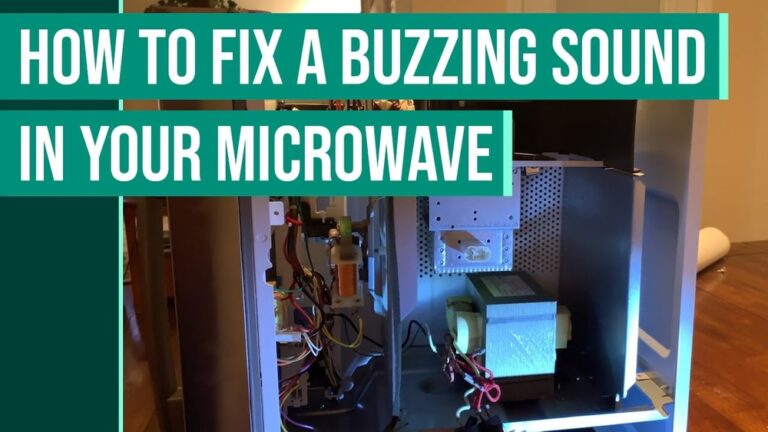
- Symptoms: Microwave light and turntable work, but no heat. Sometimes, you may hear a humming or buzzing noise.
- Why it happens: Power surges or old age can cause the diode to fail.
- Repair: Diodes are cheap, but replacement involves high voltage risk. Not safe for beginners.
3. Door Switch Problems
Every microwave has several door switches that signal when the door is safely closed. If one fails, the microwave may not heat for safety reasons.
- Symptoms: Microwave does not start, or starts but doesn’t heat; sometimes it works only when you press the door.
- Why it happens: Switches wear out after many uses, or a misaligned door can damage them.
- Repair: Replacing a switch is simple, but you must open the microwave’s control panel.
Practical tip: Gently closing the door extends the life of these switches.
4. Blown Fuse
Microwaves have several fuses for safety. The main fuse can blow due to a short circuit or electrical overload.
- Symptoms: Microwave is dead (no power at all), or sometimes only the heating stops.
- Why it happens: Power surges, faulty parts, or slamming the door.
- Repair: Replacing a fuse is not hard, but you must find the cause of the blown fuse, or it will happen again.
5. Faulty Capacitor
The high voltage capacitor stores and releases energy for the magnetron. If it fails, the microwave won’t heat.
- Symptoms: Humming noise, burning smell, or visible damage; microwave runs but food is cold.
- Why it happens: Age, manufacturing defect, or exposure to high voltage.
- Repair: Must be done by professionals due to the risk of electric shock.
Beginner’s insight: Even after unplugging, capacitors can hold a dangerous charge for hours.
6. Faulty Control Board
The control board acts as the brain of the microwave. If it’s damaged, it may not send signals to heat your food.
- Symptoms: Strange behavior, some buttons not working, or error codes.
- Why it happens: Age, moisture, or a manufacturing defect.
- Repair: Replacing control boards is costly and usually not worth it for old microwaves.
7. Burned Out Thermoprotector Or Thermostat
Microwaves have thermal protectors to prevent overheating. If these safety devices fail, they can cut power to the heating parts.
- Symptoms: Microwave turns on but does not heat; sometimes, it shuts off by itself.
- Why it happens: Overheating, blocked vents, or faulty parts.
- Repair: These parts are cheap, but finding the right one and replacing it takes skill.
8. Defective Transformer
The high voltage transformer increases the voltage for the magnetron. If it fails, no heat is produced.
- Symptoms: Loud humming, burning smell, sometimes tripped circuit breaker.
- Why it happens: Age, power surges, or moisture.
- Repair: Replacement is expensive and risky. Usually, it’s better to buy a new microwave.
9. Faulty Power Supply
If the power supply to your microwave is unstable or weak, it may not work properly.
- Symptoms: Microwave doesn’t turn on, or stops heating during use.
- Why it happens: Faulty wall outlet, loose plug, or damaged power cord.
- Repair: Check your outlet with another appliance. Replace cords if they are frayed.
10. User Mistakes
Sometimes, the problem is simple and easy to fix:
- Incorrect power level: If you set a very low power, food won’t heat much.
- Wrong setting: Accidentally pressing “defrost” or “timer” instead of “cook.”
- Child lock enabled: Some microwaves won’t start heating if the child lock is on.
Quick tip: Always double-check the settings before worrying about a hardware issue.
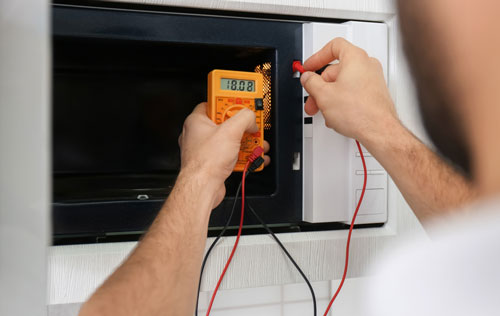
Credit: www.sickappliances.com
Comparing Key Faults: Which Are Most Common?
To help you understand which problems happen most often, here’s a simple table:
| Fault | How Common | DIY Fix? |
|---|---|---|
| Magnetron Failure | Very common | No |
| Door Switch Problem | Common | Yes |
| Blown Fuse | Moderate | Yes (with care) |
| High Voltage Diode | Less common | No |
| User Mistake | Very common | Yes |
How To Troubleshoot A Microwave That’s Not Heating
If your microwave stops heating, here’s what you can do safely before calling a technician:
- Check the power source. Make sure the microwave is plugged in and the outlet works.
- Review your settings. Confirm you chose the right mode and power level.
- Open and close the door. Sometimes, the door switch doesn’t engage. Open and close the door firmly but gently.
- Try a different outlet. Plug another device into the same outlet to see if it works.
- Listen and observe. Is there a loud humming, burning smell, or no sound at all?
- Reset the microwave. Unplug for 1 minute and plug it back in.
If the microwave still doesn’t heat, the problem is likely inside the machine.
When To Call A Professional
If you suspect a problem with the magnetron, high voltage diode, capacitor, or transformer, do not try to fix it yourself. Microwaves store high voltage even after being unplugged and can cause serious injury. Always call a qualified technician for these repairs.
Important: Opening a microwave can void your warranty and is dangerous without proper training.
Real-world Examples
- Case 1: A college student notices the microwave runs, but the food is always cold. He later remembers he once ran it empty to “dry” the inside. The technician finds a burned-out magnetron.
- Case 2: A family’s microwave suddenly stops working after a thunderstorm. The main fuse is blown because of a power surge. Replacing the fuse and using a surge protector solves the issue.
- Case 3: A user finds the microwave only heats when pushing the door in. The door switch is faulty and is replaced for a low cost.
These examples show that causes can range from simple mistakes to complex electrical failures.
Cost Comparison: Repair Or Replace?
Let’s compare the average repair costs and see when buying a new microwave makes more sense.
| Part | Average Repair Cost (USD) | Worth Repairing? |
|---|---|---|
| Magnetron | $100-$150 | No, unless microwave is new |
| Door Switch | $50-$80 | Yes |
| Fuse | $30-$60 | Yes |
| Capacitor/Diode | $70-$120 | Only for expensive models |
| Control Board | $100-$200 | No |
Non-obvious insight: For most low-cost microwaves, repairs over $100 are not worth it. New basic models often cost about the same or less.
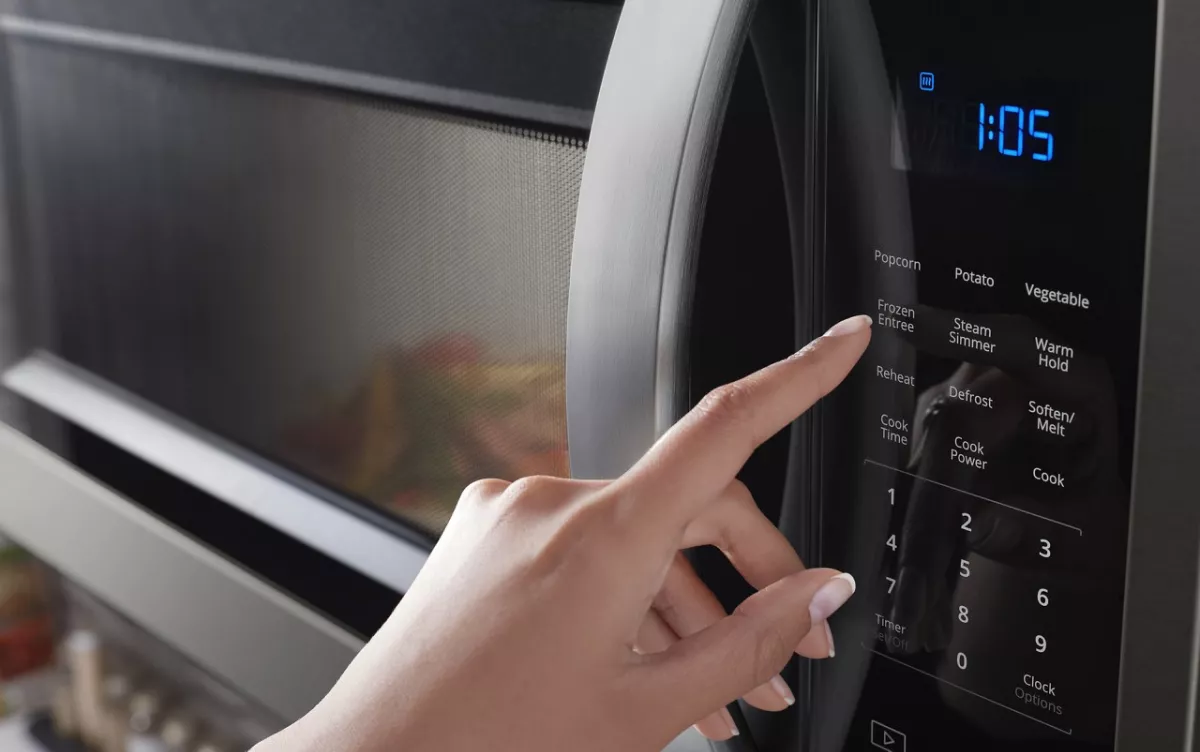
Credit: www.whirlpool.com
How To Prevent Microwave Heating Failure
While some problems are unavoidable, you can extend your microwave’s life with these tips:
- Never run empty. Always have food or a cup of water inside when using.
- Keep it clean. Food splatters can block vents and cause overheating.
- Avoid slamming the door. This protects door switches.
- Use a surge protector. Power surges can ruin electrical parts.
- Don’t overload. Heating large, dense foods for too long can strain the magnetron.
When Is It Time To Replace Your Microwave?
If your microwave is over 7-10 years old, or if repair costs are high, replacement is often the smartest choice. Newer models are safer, more energy-efficient, and have better features. If you notice frequent problems, uneven heating, or burnt smells, consider buying a new microwave.
According to the U. S. Department of Energy, the average lifespan of a microwave is about 9 years. Regular maintenance and safe use can extend this, but all microwaves eventually wear out.

Credit: www.youtube.com
Frequently Asked Questions
Why Does My Microwave Run But Not Heat?
If your microwave turns on but doesn’t heat, the most likely causes are a faulty magnetron, a burned-out diode, or a problem with the door switch. Sometimes, user error (such as low power settings) is the reason.
Can I Fix A Microwave That Won’t Heat Myself?
You can check the power supply, settings, and door switches. But for internal parts like the magnetron, diode, or capacitor, it’s best to call a professional because these parts carry high voltage and are dangerous.
How Can I Test If My Microwave Is Heating Properly?
Place a cup of water in the microwave and heat for one minute. If the water is hot, the microwave is working. If it’s still cold, your microwave is not heating.
Is It Safe To Use A Microwave That Isn’t Heating?
No. If your microwave is not heating, it may have a serious electrical fault. Using it could cause further damage or even fire. Unplug it and have it inspected.
What Is The Average Cost To Repair A Microwave That Won’t Heat?
Repair costs range from $30 to $200, depending on the part. For expensive parts like the magnetron or control board, buying a new microwave is often cheaper. For simple repairs like fuses or switches, fixing is affordable.
If you want to learn more about how microwaves work and safety tips, see this detailed resource: Wikipedia: Microwave Oven.
A microwave that stops heating is a common problem, but knowing the main causes helps you act quickly and safely. Most issues can be prevented or solved with basic troubleshooting, but some require expert help. If repair costs are high, don’t hesitate to upgrade to a newer, more reliable model.