Why is My Microwave Not Heating? Top Causes and Quick Fixes
A microwave oven is a common kitchen appliance that saves time and energy. But what if you press “Start” and nothing happens? The light comes on, the turntable spins, but your food stays cold. Many people face the problem of a microwave not heating, and it can be confusing or even worrying. This article will help you understand why your microwave is not heating, what you can check yourself, and when you need expert help. You will also find common mistakes, ways to stay safe, and answers to the most asked questions.
How Does A Microwave Heat Food?
Before you can fix a problem, it helps to know how a microwave works. A microwave oven heats food using microwaves—a type of electromagnetic wave. The main part that creates these waves is called the magnetron. When you start the oven, electricity passes through the magnetron, producing microwaves that bounce around inside and heat up your food from the inside out.
If any part of this process fails, your microwave may run, but not heat. Understanding the basics can help you spot where things might go wrong.
Common Reasons A Microwave Is Not Heating
There are several possible causes for this issue. Let’s break down the most common ones, from easy-to-fix problems to those needing a professional.
1. Door Switch Problems
Microwaves have safety switches on the door. These door switches make sure the oven only works when the door is fully closed. If one of these switches is faulty or not aligned, the microwave may not heat, even if other parts seem normal.
A non-obvious insight: Many people don’t realize that even a slightly bent door or loose latch can cause the switch to fail. Sometimes, slamming the door repeatedly can damage the switch over time.
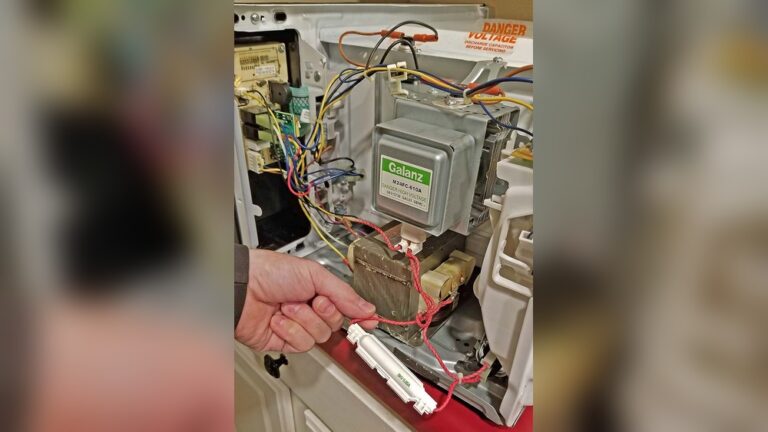
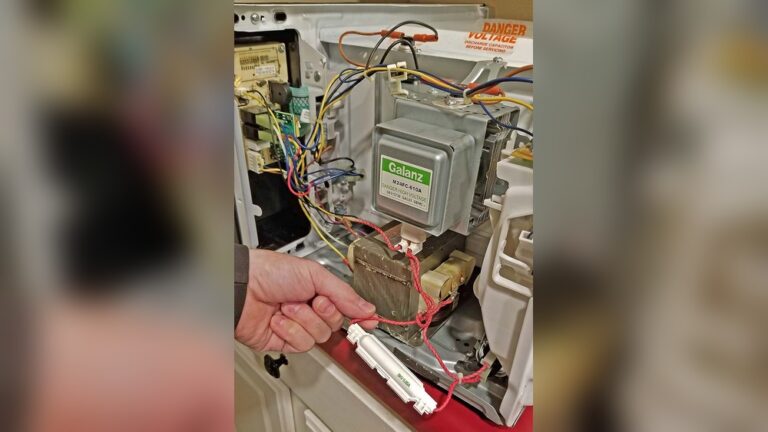
2. Magnetron Failure
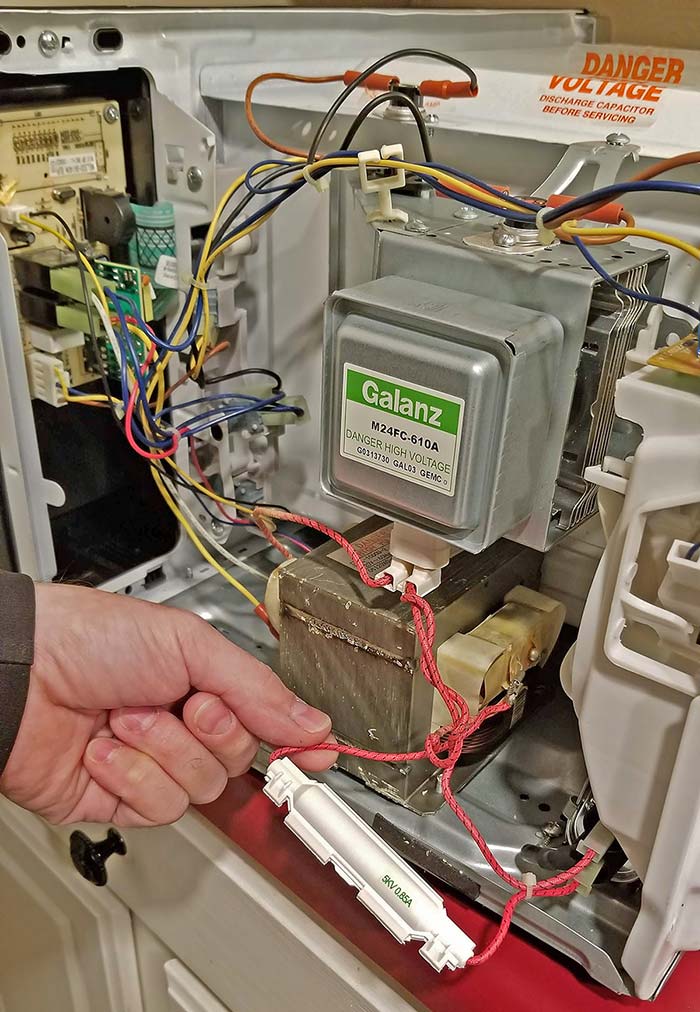
The magnetron is the heart of the microwave. If it fails, your oven won’t heat. Signs of a broken magnetron include a humming sound, a burning smell, or no heat even though the timer counts down.
A beginner mistake is assuming that a magnetron can be replaced easily at home. It holds a dangerous charge, even when unplugged, and should only be handled by professionals.
3. High Voltage Diode Issues
The high voltage diode changes electricity so the magnetron can use it. If this diode fails, the magnetron doesn’t get enough power. The result: your microwave won’t heat.
A failed diode often causes a humming noise. Checking or replacing the diode involves working with high voltage, so do not try this unless you are trained.
4. Faulty Capacitor
The high voltage capacitor stores and releases energy to the magnetron. If it breaks, the microwave may not heat, or it may blow a fuse.
One thing beginners miss: Even after unplugging the microwave, the capacitor can hold a dangerous charge. Discharging the capacitor is risky and should be left to experts.
5. Blown Fuse
Most microwaves have internal fuses as a safety feature. If too much electricity flows through, the fuse blows to prevent damage. While a blown fuse can stop heating, it may also stop the microwave from turning on at all.
Some microwaves have multiple fuses. Replacing a fuse may fix the problem, but if the fuse blows again, another part may be faulty.
6. Defective Control Board
The control board is the “brain” of the microwave. It sends power to the magnetron and other parts. If the board is damaged, your microwave may run but not heat.
A common mistake: Replacing the control board is often more expensive than buying a new microwave, especially for older models.
7. Burnt-out Thermoprotector Or Thermostat
Microwaves have a thermoprotector or thermostat to prevent overheating. If these parts sense too much heat, they cut off power to the magnetron. Sometimes, they fail and stop working even when the microwave is cool.
Thermal switches can be tested with a multimeter, but replacing them yourself can be tricky.
8. Problems With The Power Supply
If your microwave is plugged into a faulty outlet or the voltage is unstable, it may not heat. Sometimes, the problem is not in the microwave, but in the wall socket or electrical wiring.
A good tip: Try plugging another device into the same outlet to see if it works. If not, you may need to fix the outlet.
9. Faulty Stirrer Motor
The stirrer motor helps distribute microwaves evenly. If it stops working, some parts of your food may not heat properly, or the microwave may not heat at all.
This is less common, but possible, especially in older models.
10. User Error
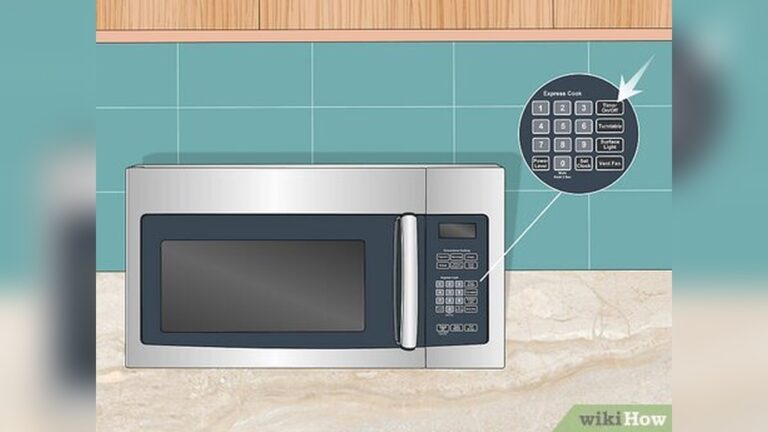
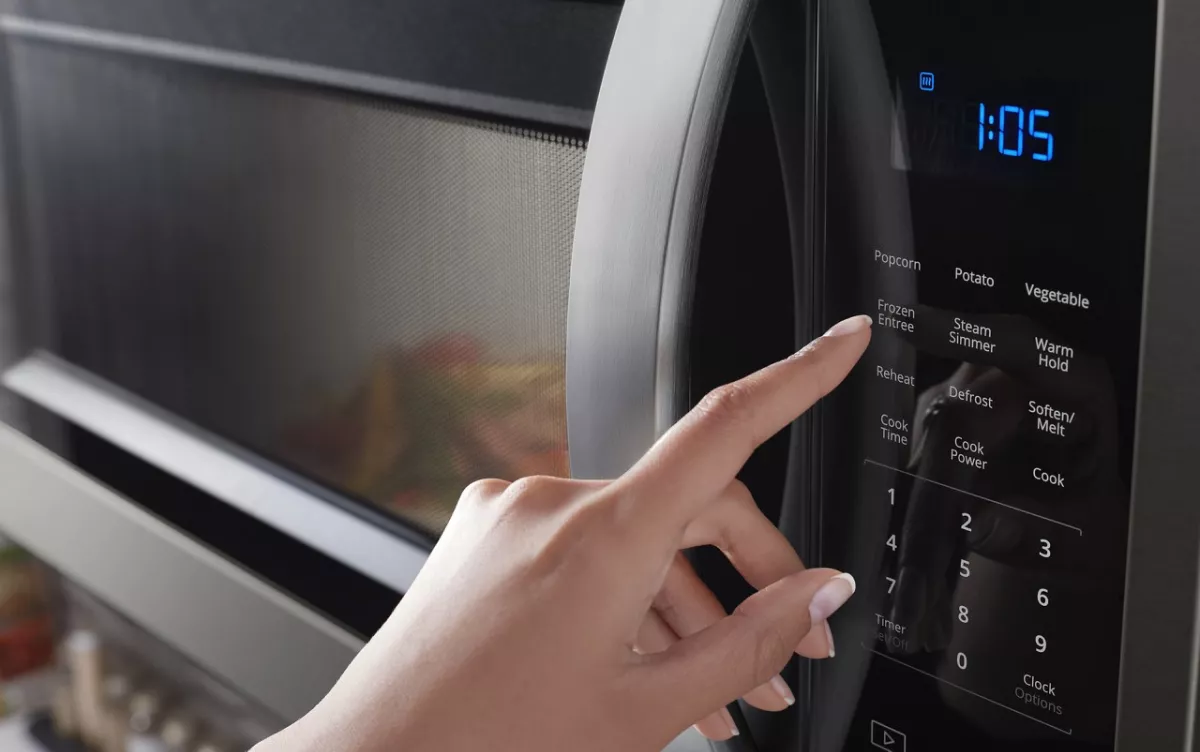
Sometimes, the settings may be wrong. For example, using the “Timer” function instead of “Cook” will make the microwave run without heating. Double-check the settings before looking for technical faults.
Comparison Of Key Microwave Parts
To better understand which part might be at fault, here’s a simple comparison:
| Part | Main Function | Common Signs of Failure | Can User Replace? |
|---|---|---|---|
| Magnetron | Creates microwaves for heating | No heat, humming, burning smell | No |
| High Voltage Diode | Converts power for magnetron | No heat, humming noise | No |
| Door Switch | Ensures door is shut | Microwave runs but no heat | Maybe (if experienced) |
| Fuse | Protects against power surges | No power, no heat | Sometimes |
How To Troubleshoot A Microwave That’s Not Heating
If your microwave isn’t heating, you can follow these steps before calling a professional:
- Check the power outlet. Unplug the microwave, plug in another device, and see if it works.
- Examine the door. Make sure it closes fully and isn’t bent or damaged.
- Test different settings. Make sure you’re not using the “Timer” or “Defrost” mode instead of “Cook.”
- Listen for unusual sounds. Humming, buzzing, or burning smells can point to specific issues.
- Try simple resets. Unplug the microwave for a few minutes and plug it back in.
If none of these steps help, the problem is likely inside the microwave and requires expert repair.
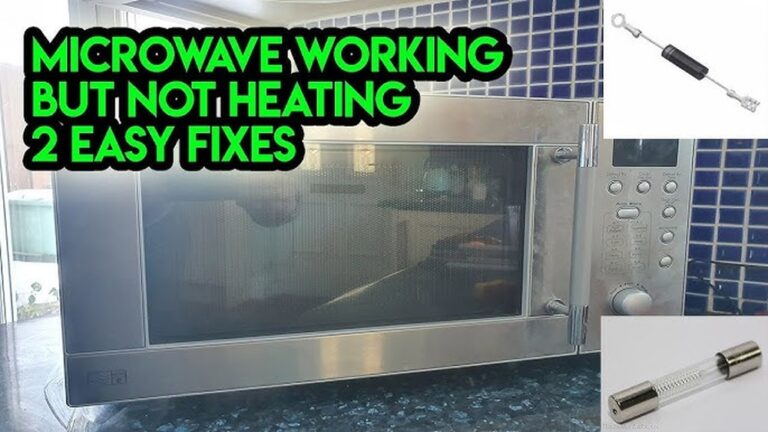
Credit: www.youtube.com
Safety Tips Before Opening Your Microwave
Microwaves can be dangerous, even when unplugged. The capacitor inside can store deadly energy. Here are important safety rules:
- Never open the microwave case unless you are trained.
- If you suspect a magnetron, capacitor, or high voltage diode issue, do not try to repair it yourself.
- Only replace fuses or door switches if you know what you’re doing.
For most people, it’s safer and smarter to let a professional handle repairs.
When To Repair Vs. Replace
Should you fix your microwave or buy a new one? Here are some tips to help you decide.
| Situation | Repair | Replace |
|---|---|---|
| Microwave is less than 3 years old | ✓ | |
| Repair cost is under 50% of new price | ✓ | |
| Magnetron, control board, or capacitor failure | ✓ | |
| Microwave is over 7 years old | ✓ |
Non-obvious tip: Some brands offer longer warranties on the magnetron than on other parts. Check your warranty before paying for expensive repairs.
Credit: thecuriousstones.com
Why Professional Help Is Sometimes Best
Even if you like DIY projects, microwaves have hidden risks. The high voltage parts can cause severe injury. Also, a poorly repaired microwave can leak radiation, which is unsafe.
If you notice burning smells, see sparks, or suspect the magnetron or capacitor is the problem, stop using the microwave and call a professional right away.
For door switches, fuses, or simple user errors, you can try basic checks, but always put safety first.
How To Prevent Microwave Heating Problems
Prevention is better than repair. Here are some tips to keep your microwave working well:
- Don’t slam the door. This avoids damaging the door switches.
- Avoid running empty. Microwaves need something to absorb the energy, or parts can burn out.
- Clean regularly. Food splatters can block vents and create hot spots.
- Don’t overload. Heating large or dense items for too long can overwork the magnetron.
- Use correct containers. Only use microwave-safe dishes to avoid sparks or damage.
Following these simple steps can extend the life of your microwave and reduce the risk of heating issues.
Key Differences: Not Heating Vs. Not Powering On
Some people confuse a microwave that won’t heat with one that won’t turn on at all. Here’s a quick summary of the main differences:
| Problem | Microwave Runs But No Heat | Microwave Won’t Turn On |
|---|---|---|
| Display works | Yes | No |
| Light comes on | Yes | No |
| Common Causes | Magnetron, diode, capacitor, door switch | Fuse, power cord, outlet |
This simple check can save you time and help you explain the problem if you call for service.
Signs You Should Stop Using Your Microwave
Sometimes, a microwave that isn’t heating is a sign of a bigger problem. Stop using your microwave if:
- You smell burning or see smoke.
- You hear loud pops or see sparks.
- The case or door is cracked or bent.
- The microwave makes a loud buzzing or grinding noise.
Using a damaged microwave can be dangerous. Unplug it and contact a technician.
Credit: www.whirlpool.com
Cost Of Repair Vs. Replacement
The cost to fix a microwave depends on the part and the age of the appliance. Here are some average prices:
- Door switch: $50–$100
- Fuse: $20–$50
- Magnetron: $100–$200 (plus labor)
- Control board: $150–$300
For older or low-cost models, buying a new microwave may make more sense. For high-end or built-in units, repair can be worth it. For more details on repair costs and expert tips, see Consumer Reports.
Frequently Asked Questions
Why Does My Microwave Turn On But Not Heat?
This usually means the magnetron, diode, or capacitor is faulty. The microwave may look normal, but the part that creates heat is not working.
Is It Safe To Use A Microwave That Isn’t Heating?
No. If your microwave is not heating, especially if you smell burning or hear strange noises, stop using it. There could be an electrical problem or risk of fire.
Can I Fix A Microwave Myself?
You can try basic things like checking the outlet, door, or fuse. But for anything inside the microwave, like the magnetron or capacitor, it’s best to call a trained technician. High voltage parts can be dangerous.
How Long Should A Microwave Last?
Most microwaves last between 7 and 10 years. Using the microwave carefully and cleaning it often can help it last longer.
What Is The Most Expensive Part To Replace In A Microwave?
The magnetron and the control board are usually the most expensive parts to fix. For many models, replacing these parts costs nearly as much as buying a new microwave.
A microwave that is not heating can be frustrating, but often the cause is clear once you know what to look for. Remember to always put safety first. For small problems, you may be able to fix things yourself. For anything electrical or inside the microwave, it’s best to call an expert.