Why Shouldn’t You Microwave Styrofoam: Hidden Dangers Exposed
Microwaves have become a standard kitchen tool. They make reheating food fast and easy. But not all containers are safe for microwave use. Many people use styrofoam containers to store or warm up leftovers. It may seem harmless, but microwaving styrofoam comes with real risks. If you care about your health and the environment, it’s important to know why this habit is not safe.
What Is Styrofoam?
Most people call white, lightweight, foam-like food containers “styrofoam.” But the real name for this material is expanded polystyrene foam (EPS). Styrofoam is actually a brand name. Polystyrene is a type of plastic made from styrene—a petroleum-based chemical. You see it in coffee cups, takeout boxes, plates, and even packing peanuts.
Polystyrene is popular because it’s cheap, insulates well, and is lightweight. But its chemical makeup can cause problems, especially with heat.
How Does Microwaving Work?
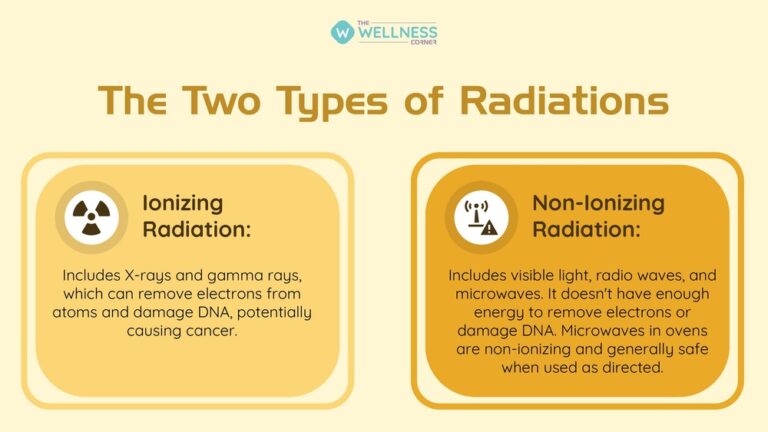
Microwaves cook food using electromagnetic waves. These waves make water molecules in food vibrate, producing heat. The heat cooks or warms the food. But when you put containers in the microwave, not just the food is affected. The container itself can also absorb heat, especially if it’s not meant for microwave use.
Why You Shouldn’t Microwave Styrofoam
Microwaving styrofoam might seem convenient, but it comes with some serious risks. Let’s look at the main reasons:
1. Chemicals Can Leach Into Food
When you heat polystyrene, its chemical structure can break down. Heat, especially from microwaves, can cause styrene and other chemicals to move from the container into your food or drink. These chemicals are not meant to be eaten.
How Much Leaching Happens?
The amount of chemical leaching depends on:
- Temperature: Higher temperatures mean more leaching.
- Fat content: Oily or fatty foods pull more chemicals from the foam.
- Heating time: Longer heating means more risk.
A study published in the journal “Food and Chemical Toxicology” found that microwaving polystyrene with fatty foods can significantly increase the migration of chemicals.
2. Health Risks Linked To Styrene Exposure
Styrene has been studied for its effects on human health. The U.S. Department of Health and Human Services lists styrene as “reasonably anticipated to be a human carcinogen.” This means there is enough evidence to suggest that regular exposure may raise your cancer risk.
Other health concerns from styrene exposure include:
- Dizziness
- Headaches
- Fatigue
- Hormone disruption
Long-term exposure to high amounts, especially through food, may also affect the nervous system and liver.
3. Not All Styrofoam Is Microwave Safe
Some foam containers now say “microwave safe.” But most takeout boxes and coffee cups are not designed for the microwave. They often break down, melt, or warp when heated.
How To Tell?
Look for a microwave-safe symbol (usually wavy lines) on the container. If you don’t see it, do not use the container in the microwave.
4. Fire And Melting Hazards
Microwaving styrofoam can cause it to melt, warp, or even catch fire. When foam melts, it can stick to your food, making it unsafe to eat and hard to clean your microwave.
5. Poor Food Heating
Styrofoam is a good insulator. This means it keeps heat in, but it’s not good for even cooking. Food heated in styrofoam may not cook evenly, leaving cold spots where bacteria can survive.
6. Environmental Impact
Polystyrene is not biodegradable. When you microwave and throw away styrofoam, it adds to landfill waste. It can take hundreds of years to break down. If it escapes into the environment, it can harm wildlife.
What Happens When You Microwave Styrofoam?
If you’ve ever microwaved a foam cup or box, you may have noticed it getting soft, warping, or even melting. This happens because polystyrene is not made to handle high heat. As the foam breaks down, it can release chemicals into your food and the air.
Here’s a simple look at what can happen:
| Action | What Happens | Risk Level |
|---|---|---|
| Short 10-second heat | Container may soften slightly | Low to moderate |
| Heating oily food (30+ seconds) | Styrofoam can warp or melt; chemicals leach into food | High |
| Long heating (1+ minutes) | Container may melt, deform, or catch fire | Very high |
Common Myths And Misunderstandings
Many people believe microwaving styrofoam is safe if done for a short time or with certain foods. Let’s clear up some common myths.
“if It’s Only For A Few Seconds, It’s Safe”
Even a few seconds of microwaving can start to break down the foam. Heat builds up quickly, especially with fatty or sugary foods.
“styrofoam Is Safe For All Foods”
Fatty foods (like pizza or fried chicken) pull more chemicals from the foam than water-based foods (like soup). There’s still risk, but it’s higher with oily foods.
“all Foam Containers Are The Same”
Some foam products are labeled “microwave safe,” but most takeout containers are not. Check the label every time.
“i’ve Used It For Years With No Problems”
Health effects from styrene exposure build up over time. You might not notice problems now, but the risks can add up with regular use.
Safer Alternatives To Styrofoam
Instead of microwaving in styrofoam, use materials that are made to handle heat. Here are some good options:
- Glass containers: They don’t leach chemicals and are safe for most foods.
- Ceramic dishes: Also a safe and durable choice.
- Microwave-safe plastics: Only use plastics labeled “microwave safe.”
- Silicone: Good for flexible, heat-resistant containers.
Here’s a simple comparison of safe vs. unsafe microwave containers:
| Container Material | Microwave Safe? | Notes |
|---|---|---|
| Glass | Yes | Best for all foods |
| Ceramic | Yes | Check for metal trim |
| Microwave-safe plastic | Yes | Look for symbol |
| Styrofoam (EPS) | No | Leaches chemicals when heated |
| Regular plastic | No | May melt or leach chemicals |

Credit: www.medicalnewstoday.com
What To Do If You Accidentally Microwave Styrofoam
Mistakes happen. If you’ve already microwaved food in styrofoam, here’s what you should do:
- Check for melting or warping. If the container changed shape, don’t eat the food.
- Smell the food. If it smells like chemicals or plastic, throw it away.
- Play it safe. When in doubt, don’t eat food that was in heated styrofoam.
How To Identify Microwave-safe Containers
Some plastics and containers are specially made for microwaves. Here’s how you can tell if your container is safe:
- Look for a label or symbol with wavy lines.
- Check the bottom or side for the words “microwave safe”.
- If there’s no label, don’t use it in the microwave.
Never use containers with metal trim, disposable plastic, or foam that isn’t marked safe.

Credit: www.healthline.com
Non-obvious Insights Beginners Miss
1. The Type Of Food Matters
Most people don’t realize that fatty and acidic foods make leaching worse. For example, leftover pizza or curry in styrofoam is much riskier than plain rice or vegetables.
2. Repeated Use Makes It Worse
Using the same styrofoam container again and again increases the chance of chemical breakdown. Old, scratched, or stained containers leach chemicals faster—even at lower temperatures.
What Do Experts And Authorities Say?
Top health and environmental agencies warn against microwaving polystyrene. The U.S. Food and Drug Administration (FDA) only approves certain polystyrene products for microwave use. Most takeout foam containers are not tested or approved for this.
A 2018 report from the International Agency for Research on Cancer classified styrene as “possibly carcinogenic to humans.” Leading health experts recommend using safer containers for all reheating and cooking.
For further reading, check this resource on polystyrene safety from the Wikipedia.
Environmental Concerns Of Styrofoam Disposal
When you microwave and discard styrofoam, you’re not just risking your health. You’re adding to a major environmental problem. Polystyrene foam takes hundreds of years to break down in landfills. It can also break into small pieces, which animals may eat by mistake.
Here’s a comparison of how long different materials take to decompose:
| Material | Decomposition Time |
|---|---|
| Banana peel | 2-5 weeks |
| Paper | 2-5 months |
| Aluminum can | 80-200 years |
| Polystyrene foam | 500+ years |
This long life in the environment means every styrofoam cup or box you use could stick around for generations.
Practical Tips To Avoid Microwaving Styrofoam
- Transfer food to a glass or ceramic plate before reheating.
- Ask for paper or cardboard packaging when ordering takeout.
- Keep a set of microwave-safe containers at home and work.
- Educate family and friends about the risks of microwaving foam.
It’s easy to make these changes, and they protect your health and the environment.
Frequently Asked Questions
Is All Styrofoam Unsafe To Microwave?
Most styrofoam containers are unsafe unless labeled “microwave safe. ” The majority of takeout and disposable foam containers should never go in the microwave.
What Happens If I Eat Food Microwaved In Styrofoam?
You may consume small amounts of chemicals like styrene, especially with fatty foods. Occasional exposure is unlikely to cause immediate harm, but regular use increases health risks.
Are There Any Safe Foam Containers For Microwaves?
A few products are made to be microwave-safe, but they should be clearly labeled. When in doubt, choose glass or ceramic.
Does Microwaving Styrofoam Affect The Taste Of Food?
Yes, food may pick up a plastic-like taste or odor if chemicals leach from the foam, especially after the container is heated or melted.
Can I Microwave Food In Styrofoam If I Use A Low Power Setting?
Lower power reduces the risk, but leaching can still happen at lower temperatures—especially with fatty or acidic foods. It’s best to avoid using styrofoam altogether in the microwave.
Microwaving styrofoam is a risk that’s easy to avoid. Choose safer containers for heating food, protect your health, and reduce your impact on the planet. Small changes in your kitchen habits can make a big difference for you and the environment.