Why is Microwave Not Heating: Troubleshoot and Fix Fast
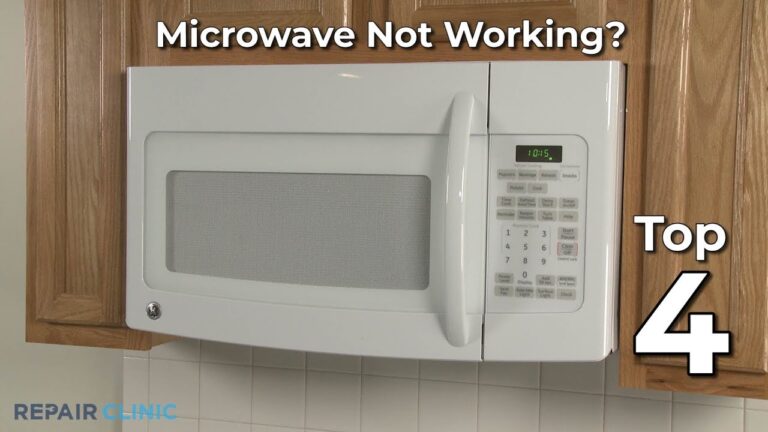
A microwave oven is a staple in most kitchens today. It saves time, reheats leftovers, pops popcorn, and even cooks meals from scratch. But what happens when you press the start button and your food stays cold? When a microwave is not heating, it can be confusing and frustrating. Many people think this means the microwave is broken for good, but that’s not always true. Sometimes, the problem is simple and easy to fix. Other times, it needs a bit more attention or even professional help.
In this article, you’ll discover the main reasons why a microwave might stop heating, how to troubleshoot these issues, and when to call an expert. Whether you’re a homeowner, a renter, or just someone who likes using a microwave, understanding these common causes can save you time, money, and stress.
How Does A Microwave Heat Food?
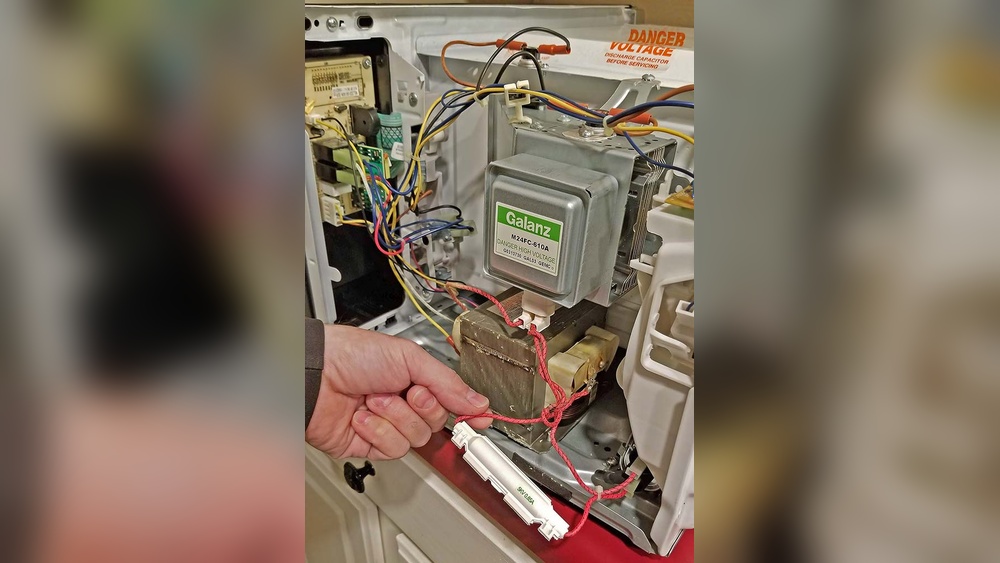
Before jumping into why a microwave might stop heating, it helps to know the basics of how it works. A microwave oven uses microwave radiation to make water molecules in the food vibrate. This vibration creates heat, which cooks or warms the food from the inside out. The main parts involved in heating are:
- Magnetron: Generates the microwaves
- High voltage diode: Converts electricity to the right type
- Capacitor: Stores and releases energy
- Transformer: Increases voltage for the magnetron
If any of these parts fail, your microwave may still turn on, but it won’t heat the food.
Common Reasons Why A Microwave Is Not Heating
Many things can cause a microwave to stop heating. Some are simple, while others are more technical.
1. Magnetron Failure
The magnetron is the heart of the microwave. If it stops working, your microwave will not heat at all. This part often fails due to:
- Power surges
- Age and wear
- Running the microwave empty
A broken magnetron cannot be fixed; it must be replaced. This is a job for a trained technician because the high voltage inside a microwave can be dangerous.
2. Door Switch Problems
Microwave ovens have safety switches in the door. If the door switches are faulty or misaligned, the microwave will not start heating. You might hear the fan or see the light, but no heat is produced. Common signs of door switch issues:
- Microwave works only when you press the door
- Stops heating when you touch the door
Replacing a door switch is cheaper than replacing the whole microwave, but it still requires opening the case and handling electrical components.
3. Faulty High Voltage Diode
The high voltage diode helps convert AC power to DC power, which the magnetron uses. If this diode burns out, the magnetron cannot run, and the microwave won’t heat.
One sign of a bad diode is a humming or buzzing sound with no heat. Testing the diode needs a multimeter and experience with electrical parts.
4. Blown Capacitor
The capacitor stores energy for the magnetron. If it blows, the microwave might stop heating or make a loud pop. Sometimes, you might smell burning or see sparks.
A blown capacitor is dangerous because it can hold a charge even after the microwave is unplugged. This is a repair for professionals only.
5. Broken Transformer
The transformer increases voltage for the magnetron. If it fails, you might hear a loud humming or see no heating at all. Like the capacitor, the transformer deals with high voltage and should be checked by a technician.
6. Burnt Out Thermal Fuse
The thermal fuse protects the microwave from overheating. If it burns out, the microwave might turn on but not heat. Some microwaves will not power on at all if the thermal fuse is blown.
This part can be replaced, but you need to check the user manual for the right type.
7. Faulty Control Board
The control board sends signals to all parts of the microwave. If it is faulty, the microwave may turn on, but not heat, or act strangely (for example, the timer counts down but nothing happens).
Control boards are expensive and often not worth replacing unless the microwave is high-end.
8. Power Supply Issues
Sometimes, the power supply is the problem, not the microwave. If the voltage is too low or the outlet is faulty, the microwave might turn on but not heat food.
Try plugging the microwave into a different outlet to check if the power supply is the issue.
9. Incorrect Settings Or User Error
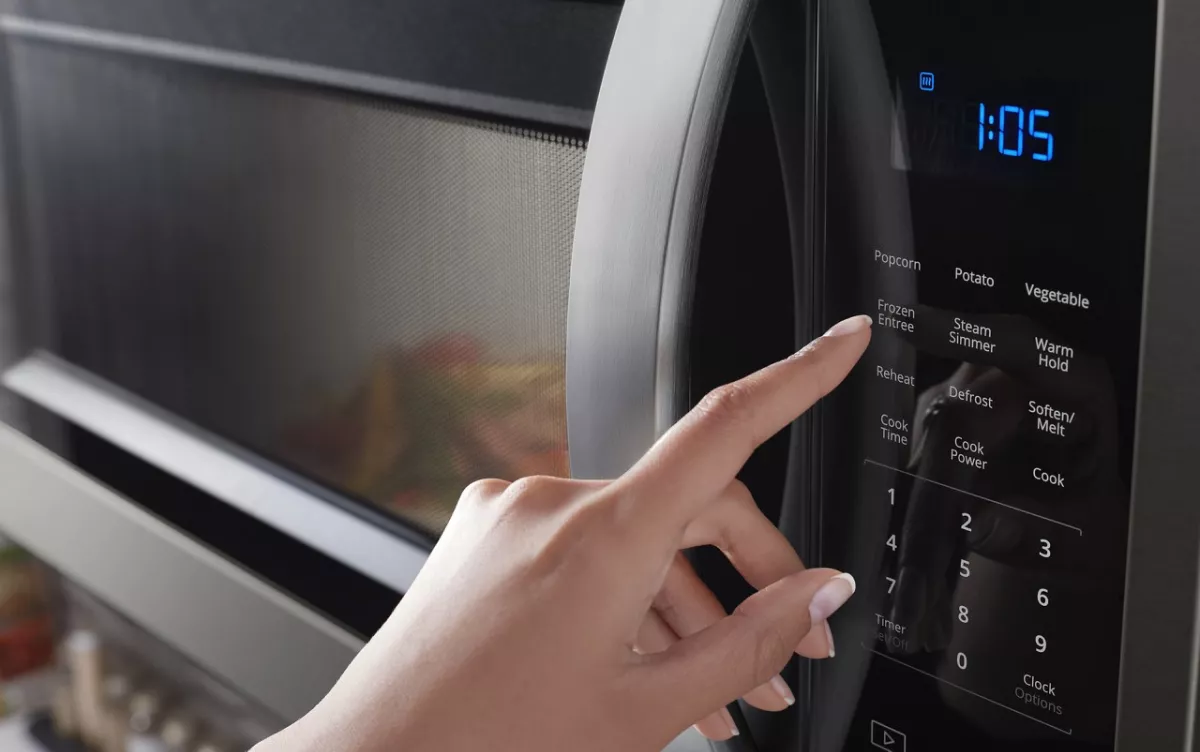
Sometimes, the reason is simple: wrong settings. For example, if you use the timer instead of the microwave function, it will not heat. Also, using a power level too low can make it seem like the microwave is not heating.
Always double-check settings before looking for technical problems.
10. Failing Stirrer Motor
The stirrer motor helps distribute microwaves evenly. If it fails, some food may not heat properly, or heating might stop altogether in some models.
This is less common, but possible in older or high-end microwaves.
How To Troubleshoot A Microwave That Is Not Heating
Troubleshooting can help you find out if the problem is simple or needs professional repair.
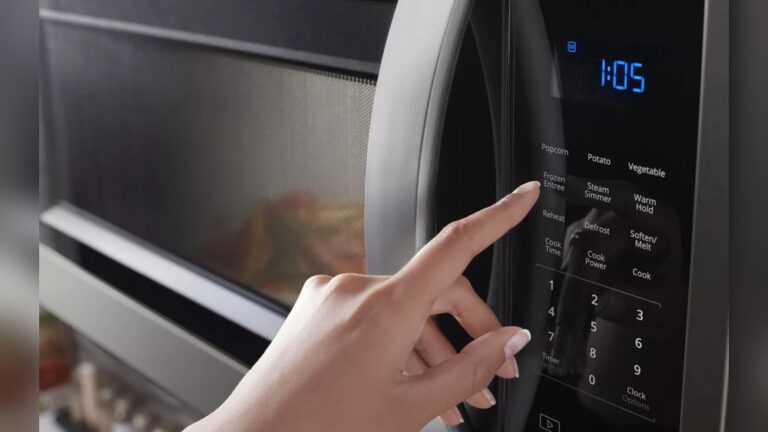
Step 1: Check Power And Settings
- Make sure the microwave is plugged in.
- Try another outlet.
- Ensure you are using the correct cooking function.
- Set the power level to high.
Step 2: Test With Water
Place a cup of water in the microwave and heat for one minute. If the water stays cold, the microwave is not heating.
Step 3: Listen And Observe
- Is the microwave making normal sounds?
- Any buzzing, popping, or burning smells?
- Is the turntable moving?
Abnormal sounds can point to magnetron or diode problems.
Step 4: Check Door And Latch
Open and close the door firmly. If the microwave heats only when you press the door, the door switch may be faulty.
Step 5: Try A Reset
Some microwaves have a reset function. Unplug the microwave for 5 minutes, then plug it back in. This can fix minor electronic glitches.
When To Repair And When To Replace
Not all microwave problems are worth fixing. Sometimes, buying a new microwave is cheaper and safer.
Here’s a comparison of when to repair versus replace:
| Problem | Repair Cost | Replace Microwave? |
|---|---|---|
| Door switch | Low ($20-$50) | No |
| Magnetron | High ($100-$200+) | Yes, if old model |
| Diode/Capacitor | Medium ($50-$100) | Depends |
| Control board | Very High ($150+) | Yes |
| Thermal fuse | Low ($10-$40) | No |
Non-obvious insight: Many newer microwaves use integrated circuit boards that are not designed to be repaired. If the control board is faulty, replacing the whole microwave is often the only practical option.
Credit: www.whirlpool.com
Common Mistakes When Dealing With A Non-heating Microwave
Trying to fix a microwave without proper knowledge can be risky. Here are mistakes to avoid:
- Opening the microwave case without unplugging. The capacitor can hold deadly voltage even after unplugging.
- Ignoring burning smells. This could mean a serious electrical problem.
- Replacing expensive parts (like a magnetron) in an old microwave. It’s often cheaper to buy a new one.
- Using the wrong fuse. Always use the correct rating or you risk fire or further damage.
How Microwaves From Different Brands Compare
Brands differ in reliability and repair costs. Here’s a quick look at some popular brands:
| Brand | Average Lifespan | Common Failures | Repair Cost |
|---|---|---|---|
| Panasonic | 7-10 years | Magnetron, door switch | Medium |
| Samsung | 6-9 years | Diode, control board | High |
| LG | 8-10 years | Magnetron, fuse | Medium |
| Sharp | 7-12 years | Stirrer motor | Low |
| Whirlpool | 8-11 years | Control panel | High |
Experience-based tip: Warranty coverage varies by brand. Some brands cover the magnetron for up to 10 years, so check your warranty before paying for repairs.

Credit: www.youtube.com
Safety Tips When Handling A Microwave That Is Not Heating
Microwaves are powerful appliances. If you want to check or clean your microwave, always follow these safety tips:
- Unplug before opening the case.
- Avoid touching electrical parts inside.
- Never try to discharge the capacitor if you do not know how.
- Do not continue using the microwave if you smell burning or see smoke.
- Let a professional handle repairs involving internal parts.
How To Prevent Microwave Heating Problems
Prevention is always better than repair. Here are some ways to keep your microwave working well:
- Don’t run the microwave empty. This can damage the magnetron.
- Clean the interior regularly to prevent food buildup, which can cause arcing.
- Close the door gently to avoid damaging door switches.
- Avoid slamming food or containers that could break the glass or tray.
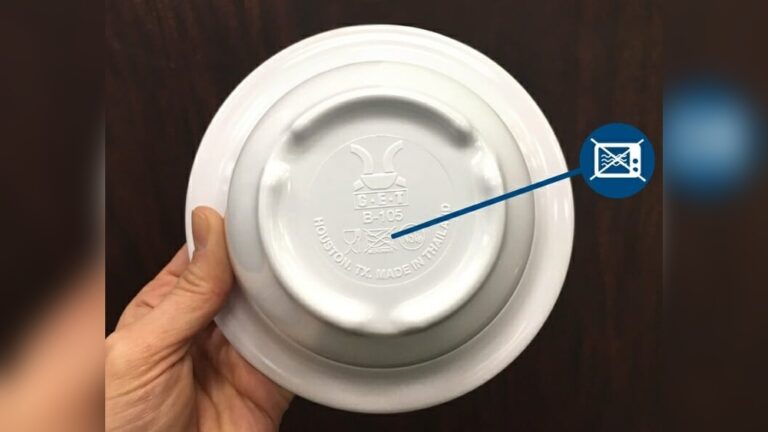
- Use microwave-safe containers only to prevent sparks and damage.

Credit: www.youtube.com
When Is It Time To Buy A New Microwave?
Most microwaves last 7-10 years. Consider a new microwave if:
- The cost of repair is more than half the price of a new one.
- The microwave is more than 8 years old.
- It has repeated heating problems.
- The control board or magnetron is broken.
New models offer better energy efficiency and safety features. For a deeper look at modern microwave technology, you can visit the Microwave Oven Wikipedia page.
Frequently Asked Questions
Why Does My Microwave Turn On But Not Heat?
This usually means a problem with the magnetron, diode, or door switch. The microwave can look like it’s working, but without these parts, it cannot heat food.
Is It Safe To Repair A Microwave At Home?
Simple problems like cleaning or resetting are safe, but repairing internal parts is risky. High voltage can cause serious injury. Always unplug the microwave and call a professional for repairs inside the case.
How Do I Know If My Magnetron Is Broken?
If your microwave is not heating, makes a loud buzzing sound, or smells burnt, the magnetron might be broken. Magnetrons cannot be repaired, only replaced.
Can A Microwave Be Fixed If It’s Not Heating?
Yes, many issues like a blown fuse or door switch can be fixed. However, repairs for the magnetron or control board can be expensive, so compare the cost of repair with a new microwave.
What Is The Most Common Reason A Microwave Stops Heating?
The most common reasons are a faulty magnetron or door switch problems. These account for most non-heating issues, especially in microwaves that are a few years old.
A microwave that is not heating can often be saved, but safety and cost should always come first. With the right knowledge, you can decide whether to repair, replace, or call a technician. By understanding the key parts and common problems, you’ll be ready to keep your kitchen running smoothly.