Why Is My Microwave Making Weird Noises
Many people use microwaves every day for fast cooking and reheating. But when your microwave starts making weird noises, it can be worrying. Strange sounds may be loud, soft, constant, or only happen sometimes. You might hear buzzing, clicking, rattling, humming, or even banging.
Understanding these noises is important for your safety, and also helps you avoid expensive repairs. This article explains why microwaves make odd sounds, what they mean, and what you should do next. If you want to know whether you can fix the problem yourself or if you need to call a professional, this guide will help.
Common Types Of Microwave Noises
Microwaves can make many different noises. Each sound can point to a different problem. Learning the types of noises will help you understand your microwave better.
Buzzing Or Humming
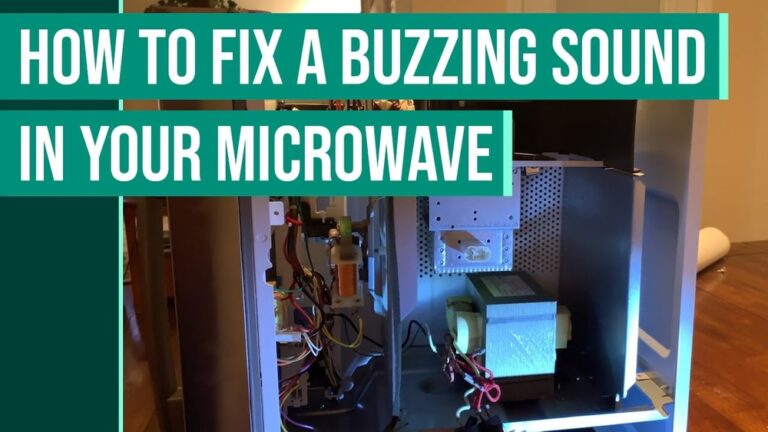
A buzzing or humming sound is common. Usually, this noise comes from the magnetron, which is the main part that heats food. If the noise gets louder or changes suddenly, it could mean the magnetron is starting to fail. Sometimes, the transformer or cooling fan makes this sound, especially if dust builds up.
Clicking
If you hear clicking, it may be caused by the turntable motor or the door latch. Clicking can also happen when the microwave switches between power levels. In rare cases, clicking means a part is loose or worn out.
Rattling
Rattling noises often come from loose parts inside the microwave. Sometimes the turntable is not sitting correctly. Or, the roller ring under the turntable may be dirty or damaged. Items placed inside the microwave, like plates or containers, can also make rattling sounds if they are not microwave-safe.
Popping Or Banging
Popping or banging sounds are usually from food. For example, popcorn, eggs, or sausages can burst as they cook. However, if you hear loud banging with no food inside, there could be a bigger issue, such as a problem with the magnetron or the internal cavity.
Squeaking
Squeaking is often caused by friction in the turntable mechanism. If the turntable or roller ring is not clean or has lost lubrication, it may squeak as it turns.
Reasons Your Microwave Makes Weird Noises
Not every noise means your microwave is broken. Sometimes, the sound is normal. Other times, it means something needs attention. Let’s look at the main causes.
1. Magnetron Issues
The magnetron is the heart of the microwave. It creates the microwaves that cook your food. When the magnetron is old or damaged, it can make loud buzzing, humming, or even clicking noises. A failing magnetron often leads to uneven heating, longer cook times, or strange smells. Magnetron replacement is expensive, so it’s important to diagnose early.
2. Turntable Problems
The turntable helps your food cook evenly. If the turntable is not placed correctly, or the roller ring underneath is dirty or broken, you may hear rattling or squeaking. Sometimes, the turntable motor itself wears out, making grinding or clicking noises.
3. Door Latch Or Switch
Microwaves have safety switches on the door. If the door is not closed properly, or if the door latch is worn, you can hear clicking, popping, or even grinding. Faulty door switches can also cause your microwave not to start, or to stop suddenly.
4. Cooling Fan
Microwaves have a cooling fan to keep the electronics safe. If dust or debris gets inside, the fan can become noisy. A broken fan blade or motor will make loud humming or rattling sounds. Cleaning the fan can help, but sometimes replacement is needed.
5. Electrical Components
Sometimes, electrical parts like the transformer, capacitor, or relays can make buzzing or humming sounds. These noises usually get louder as the microwave ages. If you smell burning or see sparks, stop using the microwave and get help.
6. Food-related Noises
Certain foods naturally make noises. For example, foods with high water content can pop, sizzle, or steam. Eggs, sausages, and potatoes may explode if not pierced. Foods in closed containers may also make loud noises as pressure builds up.
7. Foreign Objects
If something falls inside the microwave’s cavity, such as a piece of plastic or metal, it can cause rattling or banging. Always check the inside for loose items before use.
8. Faulty Motor
Microwaves use motors for the turntable and sometimes for vents. If a motor is failing, it may create grinding, humming, or squeaking noises. Motor replacement is often cheaper than fixing the magnetron.
9. Microwave Age
Older microwaves often make more noise because parts wear out. Rubber seals harden, plastic cracks, and motors lose lubrication. If your microwave is more than eight years old, noisy operation may be normal.
10. Improper Installation
If your microwave is not installed correctly, it may vibrate or rattle. Built-in microwaves especially need proper support. Loose screws or brackets can amplify noises.

Credit: www.youtube.com
Diagnosing Microwave Noises
Finding the cause of the noise helps you decide what to do. Here are steps you can follow:
- Listen Carefully: Identify when the noise happens. Is it constant or only when cooking certain foods?
- Check Inside: Look for loose parts, debris, or damaged turntable components.
- Test Empty: Run the microwave empty for a few seconds (never more than 30 seconds). If the noise continues, it’s likely not food-related.
- Inspect Door: Open and close the door. Listen for clicks or grinding.
- Check Installation: Make sure the microwave sits firmly and doesn’t wobble.
If you’re unsure, or if you smell burning or see sparks, stop using the microwave and call a professional.
How To Fix Or Reduce Microwave Noises
Some noises are easy to fix. Others need expert help. Here are steps you can try:
Clean The Turntable Area
Food spills or debris can make the turntable noisy. Remove the turntable and roller ring. Clean them with warm soapy water. Dry completely before placing back.
Adjust The Turntable
Make sure the turntable sits flat and the roller ring is in place. If the ring is broken, replace it. This will stop rattling and squeaking.
Lubricate Moving Parts
Some roller rings need a small amount of food-safe lubricant. Check your microwave manual. Never use oil that can melt or catch fire.
Tighten Loose Screws
If you notice rattling, check for loose screws inside the cavity (never open the back panel if you are not trained). Tighten any that are loose.
Clean The Cooling Fan
Dust can make the fan noisy. If you can access the fan safely (many microwaves have a removable grille), vacuum the area. For built-in models, consult your manual.
Replace Damaged Parts
If the turntable, roller ring, or door latch is broken, order replacement parts from the manufacturer. Most parts are inexpensive and easy to install.
Professional Repair
If noises come from the magnetron, motor, or electrical parts, call a qualified technician. Do not try to fix these parts yourself, as there is a risk of electric shock.
When You Should Replace Your Microwave
Sometimes, fixing isn’t worth it. Here are signs you should buy a new microwave:
- The magnetron is faulty (replacement is often more expensive than a new microwave).
- The microwave is older than 8–10 years.
- You hear loud buzzing, burning smells, or see sparks.
- Repairs cost more than half the price of a new model.
Microwaves have an average lifespan of 9 years, according to the National Association of Home Builders. If yours is older and noisy, replacement is a smart choice.
Real-life Examples Of Microwave Noises
Let’s look at some common situations:
- Loud Buzzing: Maria’s microwave started buzzing loudly. She noticed it happened even when there was no food. A technician found the magnetron was failing.
- Rattling Turntable: Ahmed’s microwave rattled every time he cooked popcorn. Cleaning the roller ring and adjusting the turntable fixed the issue.
- Clicking Door: Li heard clicking noises when closing the door. The latch was worn. Replacing the latch solved the problem.
- Fan Noise: Jenna’s built-in microwave made a humming sound. Cleaning the cooling fan and tightening screws stopped the noise.

Credit: authorizedco.com
Comparing Common Microwave Noises
Here is a table showing how different noises relate to possible issues:
| Noise Type | Possible Cause | Easy Fix? |
|---|---|---|
| Buzzing | Magnetron, transformer, fan | No (needs professional) |
| Rattling | Turntable, roller ring, loose items | Yes (clean or adjust) |
| Clicking | Door latch, turntable motor | Yes (replace latch or motor) |
| Squeaking | Roller ring, turntable | Yes (clean/lubricate) |
| Banging | Food exploding, internal parts | Sometimes (depends on cause) |
Microwave Age Vs. Noise Level
Older microwaves usually make more noise. Here is a comparison:
| Microwave Age | Noise Level | Expected Problems |
|---|---|---|
| 0-3 years | Low | Minor (loose items, food noises) |
| 4-7 years | Medium | Fan, motor, door latch wear |
| 8+ years | High | Magnetron, motor, seals |

Credit: www.assinc.com
Noise Vs. Safety: When To Stop Using Your Microwave
Some noises are harmless, others are dangerous. Compare below:
| Noise | Safe to Use? | Action |
|---|---|---|
| Rattling from turntable | Yes | Clean and adjust |
| Buzzing from magnetron | No | Call technician |
| Squeaking roller ring | Yes | Lubricate or replace |
| Banging (no food) | No | Stop and inspect |
| Clicking door | Yes (unless not starting) | Replace latch |
Non-obvious Insights For Microwave Owners
- Many noises come from simple cleaning problems. Most rattling and squeaking can be fixed by cleaning the turntable, roller ring, and cavity. Beginners often overlook this.
- Microwave noises can change with voltage fluctuations. If your home has unstable electricity, the magnetron and motors may get louder. Using a surge protector can help.
- Microwave-safe containers matter. Using the wrong container can cause rattling, popping, or even damage. Always check labels.
- Ignoring noises can lead to bigger issues. A small noise today can become a major problem tomorrow. Early action saves money.
Practical Tips For Preventing Weird Microwave Noises
- Clean the inside regularly, including the turntable and roller ring.
- Always use microwave-safe containers.
- Avoid running the microwave empty.
- Do not overload with heavy plates or containers.
- Install the microwave on a flat, stable surface.
- Check for loose screws or parts every few months.
- If you hear new noises, investigate quickly.
If you want more details on microwave safety and maintenance, you can read the official Consumer Reports guide.
Frequently Asked Questions
What Causes A Loud Buzzing Sound In My Microwave?
A loud buzzing usually comes from the magnetron or the transformer. If the noise is new or gets louder, it may signal a failing part. Magnetron problems often mean uneven heating or longer cook times.
Is It Safe To Use A Microwave That Makes Noises?
Some noises, like rattling from the turntable or squeaking roller rings, are safe and easy to fix. But loud buzzing, banging, or clicking from the door latch can be dangerous. If you smell burning or see sparks, stop using the microwave.
Can I Fix Noisy Microwaves Myself?
You can fix simple issues, such as cleaning the turntable, adjusting the roller ring, or replacing the door latch. For internal parts like the magnetron or motor, always call a professional.
Why Does My Microwave Make Noises Only When Cooking Certain Foods?
Foods with high water content or sealed surfaces (like eggs) can pop, sizzle, or explode. Always pierce such foods before cooking. Using correct containers also reduces noise.
How Long Should A Microwave Last Before Making Noises?
Microwaves usually last 8–9 years. As they age, noises become more common due to worn parts. Early maintenance and cleaning help reduce noisy operation.
Microwave noises can be confusing and worrying, but most are easy to understand and fix. Listening closely, checking for simple problems, and knowing when to ask for help will keep your microwave running smoothly. Taking care of your microwave ensures safe, quiet, and efficient cooking for years to come.