Which Brand Microwave Oven is Best: Top Picks and Expert Reviews
The search for the best microwave oven brand is a common challenge in today’s kitchens. With so many choices, each promising reliability, power, and smart features, it can feel overwhelming to decide. Microwaves are now more than just a tool for reheating leftovers—they help with defrosting, cooking, baking, and even grilling.
But which brand truly stands out as the best? Let’s explore the top brands, what makes them unique, and how to make a confident choice for your home.
How To Decide Which Microwave Oven Brand Is Best
Choosing the best microwave oven brand depends on several factors. People’s needs are different—some want speed, others want even heating, and some need advanced features. Before diving into the top brands, it’s important to know what really matters.
- Performance: Does the microwave heat food evenly? Is it fast and reliable?
- Durability: How long will it last? Are parts and repairs available?
- Features: Does it offer things like grilling, convection, or smart sensors?
- Price: Is the cost fair for what you get?
- Customer Support: Will the company help if there’s a problem?
- Energy Efficiency: Does it use less electricity?
- Design & Size: Will it fit in your kitchen and match your style?
Many buyers focus only on price or brand name, but these two factors alone do not guarantee satisfaction. A microwave with smart features but poor support can be more trouble than it’s worth. On the other hand, a simple, reliable machine can make your life easier every day.
Top Microwave Oven Brands In 2026
Let’s examine the top brands, what they offer, and where each one stands out. This comparison looks at their strengths, weaknesses, and what type of user each brand suits best.
1. Panasonic
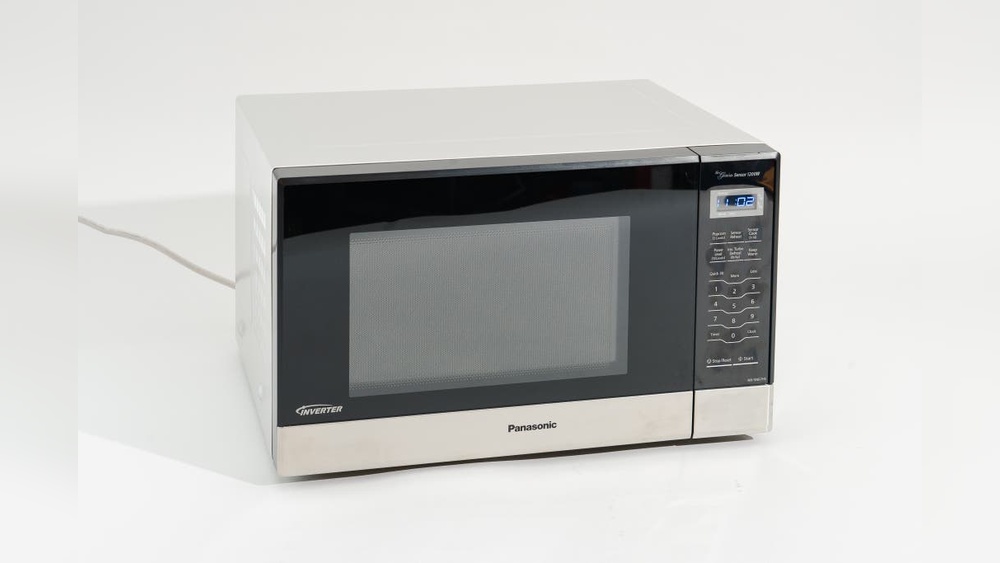
Panasonic has built a reputation for high-quality, reliable microwaves. Their models often feature inverter technology, which allows for more consistent cooking power and better results, especially for defrosting or cooking delicate foods.
- Strengths: Even heating, long-lasting, wide range of sizes.
- Best For: Families, frequent cooks, people who want smart sensors.
- Popular Models: NN-SN966S, NN-SN686S.
Panasonic microwaves often get praise for their “Genius Sensor” feature, which automatically adjusts cooking time and power. Their inverter technology means foods won’t come out rubbery or half-frozen—one of the main problems with cheaper brands. Panasonic is a leader in mid-range and premium models, but you may pay a bit more for these benefits.
2. Lg
LG is known for innovation and stylish design. Many LG microwaves offer smart inverter technology, which allows for precise power control and even cooking.
- Strengths: Sleek design, energy efficiency, easy-clean interiors.
- Best For: Tech-savvy users, modern kitchens, those who value appearance.
- Popular Models: LMC2075ST, LMV2031ST.
LG also offers models with a “NeoChef” feature—this helps maintain flavor and texture. Some units have antibacterial coatings inside, making cleaning simple. However, their advanced features can mean a higher price, and repairs may sometimes be costly if outside warranty.
3. Samsung
Samsung brings smart technology to everyday appliances. Their microwaves often include grill and convection options, so you can do more than just reheat.
- Strengths: Multi-functionality, easy controls, attractive looks.
- Best For: Busy homes, people who want an all-in-one device.
- Popular Models: MS14K6000AS, MC28H5013AK.
Samsung’s “Triple Distribution System” ensures heat is spread evenly throughout the food. This brand is great if you want a microwave that can also bake and grill. Some users mention the learning curve for advanced models, so if you prefer simplicity, start with their basic models.
4. Sharp
Sharp is a veteran in the microwave market. Their ovens are well-known for their reliability and value.
- Strengths: Affordable, reliable, easy to use.
- Best For: Students, first-time buyers, those on a budget.
- Popular Models: R-21LCFS, R-1874T.
Sharp’s microwaves often last for years and rarely break down. While they may not have as many features as LG or Samsung, they focus on what matters: heating food quickly and safely. Their commercial models are popular in cafes and small restaurants for good reason.
5. Whirlpool
Whirlpool combines American engineering with practical features. Their microwaves are known for durability and straightforward controls.
- Strengths: Sturdy build, large capacity options, easy-to-understand panels.
- Best For: Large families, those who want simplicity.
- Popular Models: WMH31017HZ, WMC20005YD.
Whirlpool often includes features like “Steam Cooking” or sensor reheat. These help with cooking vegetables or leftovers perfectly. Their machines tend to be bigger, so check your available space before buying.
6. Ifb
IFB is a leader in convection microwaves in India and other Asian markets. Their devices are designed for both baking and traditional microwave cooking.
- Strengths: Great for baking, wide range of preset menus, value for money.
- Best For: Baking enthusiasts, Indian-style cooking, mid-sized families.
- Popular Models: 30BRC2, 23BC4.
IFB models often come with starter kits (bowls, racks), making them ideal for new users. They also have auto-cook menus for local dishes. The main drawback is that their service network is not as strong outside Asia.
7. Bosch
Bosch is known for premium appliances. Their microwaves focus on build quality and advanced features.
- Strengths: German engineering, stylish looks, whisper-quiet operation.
- Best For: Luxury kitchens, users who want long-term value.
- Popular Models: BEL634GS1, HMB50152UC.
Bosch offers both solo and built-in models. Features like auto-programming and steam cooking make them stand out. However, expect to pay more, and repairs can require authorized service centers.
8. Toshiba
Toshiba microwaves are popular for their affordable pricing and consistent performance.
- Strengths: Cost-effective, reliable, good for everyday use.
- Best For: Small families, office kitchens, people who want simplicity.
- Popular Models: EM131A5C-BS, EC042A5C-SS.
Toshiba often includes features like one-touch start and smart sensors at lower prices. They are a favorite for dorms and small apartments. While not as advanced as LG or Bosch, they cover all basic needs well.
9. Godrej
Godrej is a respected name in Indian households, providing budget-friendly microwaves with practical features.
- Strengths: Affordable, good for Indian recipes, easy maintenance.
- Best For: Budget buyers, Indian-style cooking, small homes.
- Popular Models: GMX 20CA5, GMX 25CA1.
Godrej models often include multi-stage cooking and menus for local dishes. Their after-sales support is strong in India, but limited elsewhere.
10. Breville
Breville focuses on premium, feature-rich microwaves, especially in Australia, UK, and North America.
- Strengths: Advanced sensors, premium build, smart design.
- Best For: Foodies, users who want the best technology.
- Popular Models: BMO870BSS, BMO650SIL.
Breville’s “Quick Touch” technology automatically selects power and time. Their models are user-friendly but can be expensive. These are ideal if you cook often and want precision.
Credit: www.consumerreports.org
Comparing The Top Brands
Let’s look at a side-by-side comparison of some key features among these brands.
| Brand | Key Feature | Price Range (USD) | Best For |
|---|---|---|---|
| Panasonic | Inverter Tech, Genius Sensor | 120–350 | Families, advanced cooking |
| LG | Smart Inverter, Easy Clean | 130–400 | Modern kitchens, tech lovers |
| Samsung | Grill/Convection, Triple Distribution | 110–350 | Multifunctional use |
| Sharp | Simple, Reliable | 90–250 | Budget buyers |
| Whirlpool | Large Capacity, Steam Cooking | 100–300 | Large families |
This table gives a quick overview, but there are more factors to think about before making your final decision.
What Features Actually Matter?
While every brand highlights its unique technologies, not all features are equally important for everyone. Here’s what you should focus on:
Essential Features
- Power Output: Most homes need at least 900–1000 watts for efficient cooking.
- Turntable or Flatbed: Turntables rotate food for even heating, but some premium models use a flatbed design for easier cleaning.
- Preset Cooking Menus: These save time and help beginners cook popular foods with one button.
- Child Lock: Important for families with children.
- Defrost Function: Look for “auto defrost” if you often cook from frozen.
Nice-to-have Features
- Sensor Cooking: Adjusts time and power automatically for better results.
- Grill/Convection: Allows baking and grilling inside the microwave—perfect for pizzas or cakes.
- Inverter Technology: Keeps power steady instead of pulsing on and off, leading to better cooking.
- Steam Clean or Antibacterial Coating: Makes cleaning much easier.
Many buyers miss the importance of power levels. Not every dish needs full power—steaming vegetables or melting chocolate works best at lower settings. Also, don’t ignore the door design—pull handles are usually more durable than push-button releases.
Real-world Performance: How Brands Compare
Here’s a practical comparison of how some top models perform in daily use.
| Model | Cooking Evenness | Noise Level | Ease of Use | Cleaning |
|---|---|---|---|---|
| Panasonic NN-SN966S | Excellent | Low | Easy | Easy |
| LG LMC2075ST | Very Good | Low | Moderate | Very Easy |
| Samsung MS14K6000AS | Good | Moderate | Easy | Easy |
| Sharp R-21LCFS | Good | Low | Very Easy | Moderate |
| Breville BMO870BSS | Excellent | Very Low | Easy | Very Easy |
This table shows that while premium models perform better, even budget-friendly brands like Sharp can deliver good results for basic needs.
Common Mistakes When Choosing A Microwave Oven Brand
Even smart shoppers sometimes make errors. Here are mistakes to avoid:
- Buying Only by Price: Cheaper models can cost more over time if they break down or don’t cook evenly.
- Ignoring Size: Measure your counter or cabinet before buying. Microwaves come in many sizes.
- Overlooking Warranty and Support: Some brands offer only a 1-year warranty; others offer up to 3 years. Good support makes a difference if something goes wrong.
- Skipping Energy Ratings: Lower wattage means slower cooking. But high wattage can waste energy if you cook small portions.
- Not Reading User Reviews: Real feedback reveals practical issues, like noisy operation or hard-to-clean interiors.
A non-obvious tip: Check for local service centers before you buy. Even the best microwave can break, so having quick access to parts and repairs is important. Also, some brands offer unique accessories (like steaming bowls or crisp plates) that others do not.
Which Microwave Brand Is Best For Your Needs?
There is no single “best” brand for everyone. Here’s a guide to match your needs:
- For Family Use: Panasonic, LG, Samsung (large capacity, sensor cooking).
- For Students or Singles: Sharp, Toshiba, Godrej (simple, affordable, compact).
- For Baking & Grilling: IFB, Samsung, LG (convection models).
- For Smart Homes: LG, Samsung, Breville (Wi-Fi, app controls).
- For Premium Experience: Bosch, Breville, Panasonic (high-end models, durability).
If you use your microwave only for basic reheating, you don’t need to pay extra for grill or convection features. But if you love experimenting, a model with more power and settings will be worth it.
User Feedback And Brand Reputation
Customer reviews and brand reputation are important. Here’s a summary of what users say:
- Panasonic: “Lasts for years, even heating.”
- LG: “Looks great, easy to clean, useful presets.”
- Samsung: “Versatile, but takes time to learn.”
- Sharp: “Simple, works as expected.”
- IFB: “Great for Indian cooking, many auto menus.”
- Bosch: “Quiet, premium, but expensive.”
Some brands, like Panasonic and LG, receive high scores for both reliability and innovation. Others, like Sharp and Godrej, win on value for money.
For more information, you can visit the official Wikipedia page on microwave ovens.
Advanced Technologies: What’s New In 2024?
The microwave oven market keeps evolving. Here are some new trends:
- Smart Sensors: Now, sensors can detect humidity, weight, and even type of food for perfect cooking.
- Voice Control: Some LG and Samsung models can connect to Alexa or Google Assistant.
- Eco Mode: Reduces standby power, saving energy.
- Antibacterial Interiors: Fights bacteria and odors for better hygiene.
These features are not must-haves for everyone, but they show how brands compete to offer more value.
The Importance Of After-sales Service
One overlooked aspect is after-sales support. Even the best microwave can run into problems. Brands like Panasonic, LG, and Whirlpool have strong service networks in most countries. Bosch and Breville require authorized centers, which can be more expensive but offer expert repairs.
IFB and Godrej have strong support in India, but not globally.
Always check online for your city or country before buying. Fast, easy access to help can make a big difference in satisfaction.
Practical Buying Tips
When you’re ready to buy, keep these tips in mind:
- Measure your space before shopping.
- Decide your budget and stick to it.
- Check user reviews for your chosen model.
- Ask about warranty length and what it covers.
- Consider your power needs—if you cook large meals, get at least 1000 watts.
- Look for deals around holidays for the best prices.
Don’t forget to register your microwave after buying—some brands give extra warranty time for registered products.
Frequently Asked Questions
How Do I Clean My Microwave Oven Safely?
To clean a microwave, fill a bowl with water and a few slices of lemon. Heat it for 3–5 minutes until steam fills the oven. Let it sit for a few minutes, then wipe the inside with a soft cloth.
This removes odors and makes stains easy to clean. Avoid harsh chemicals—mild soap and water are best.
What Size Microwave Oven Should I Buy?
For one or two people, a 0.7–1.0 cubic foot model is enough. For families, consider 1.2–2.0 cubic feet. Always check the size of your plates or bowls to ensure they fit inside. If you plan to cook large dishes or bake, bigger is better.
Is Inverter Technology Important In A Microwave?
Yes, inverter technology gives steady power, leading to more even cooking and defrosting. Food retains better texture and flavor, especially with delicate items like fish or chocolate. If you use your microwave often, it’s a worthwhile feature.
Can I Use Metal Containers In A Microwave Oven?
No, avoid metal containers, foil, or dishes with metal trim. Metal can cause sparks and damage the microwave. Use only microwave-safe glass, ceramic, or certain plastics.
How Long Should A Microwave Oven Last?
A good microwave from a top brand should last 7–10 years with proper care. Clean it regularly, avoid slamming the door, and don’t run it empty. If repairs become frequent, replacement is usually more cost-effective.
Making Your Final Choice
Finding the best microwave oven brand is about matching your needs, budget, and kitchen style. Brands like Panasonic, LG, and Samsung lead the market with innovative features and reliable performance. Sharp and Toshiba are excellent for simple, everyday use. Bosch and Breville target premium buyers who want the best technology.
Remember, the best microwave is the one that fits your lifestyle—not just the most expensive or advanced.
Take time to read reviews, compare features, and think about your cooking habits. With the right information, you’ll find a microwave oven that makes your kitchen life faster, easier, and more enjoyable for years to come.