How Many Watts is the Average Microwave: Discover Ideal Power Levels
When you’re shopping for a microwave or trying to understand how yours works, one question probably pops up: How many watts does the average microwave use? Knowing the wattage can help you cook your food faster, save energy, and even choose the right model for your kitchen.
Whether you’re reheating leftovers or preparing full meals, the power of your microwave makes a big difference. You’ll discover what a typical microwave wattage looks like, why it matters for your cooking needs, and how to pick the best wattage to match your lifestyle.
Keep reading to unlock the secrets behind microwave wattage and get the most out of your kitchen appliance!
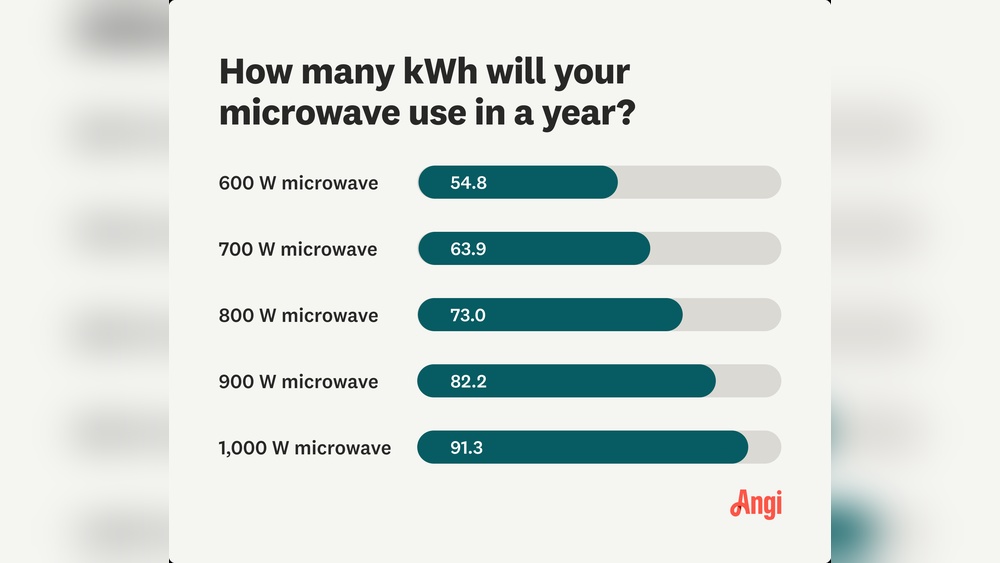
Credit: www.angi.com
Average Microwave Wattage
Microwave wattage shows how powerful the appliance is. It affects cooking speed and evenness. Knowing the average wattage helps choose the right microwave for your kitchen. Most microwaves fall within a common power range. This range meets everyday cooking needs for many households.
Typical Wattage Range
Most microwaves have wattage between 600 and 1200 watts. Lower watt models use around 600 to 800 watts. These are good for simple reheating tasks. Higher watt models range from 900 to 1200 watts. They cook food faster and more evenly. Some specialty microwaves may exceed 1200 watts for advanced cooking functions.
Common Household Models
Standard household microwaves often have wattage near 1000 watts. This power level balances speed and energy use. Popular brands offer models in the 900 to 1100 watt range. These microwaves handle most cooking tasks well. They are ideal for heating leftovers, defrosting, and cooking meals quickly.
Wattage By Usage
Microwave wattage varies depending on its use. Different cooking tasks need different power levels. Choosing the right wattage helps you cook efficiently and saves time.
Basic Reheating
Microwaves with 600 to 800 watts work well for reheating. They warm leftovers and drinks gently. These models use less energy and are usually affordable. They take a bit longer but get the job done.
General Cooking
For everyday cooking, 800 to 1000 watts is common. This wattage cooks most foods evenly and quickly. It suits families who prepare meals regularly. These microwaves balance speed and energy use well.
Fast Cooking And Large Meals
Microwaves with 1000 to 1200 watts handle big meals fast. They cook larger portions without uneven spots. These models save time during busy days. Ideal for those who want quick meal prep.
Advanced Cooking Functions
Higher wattage microwaves, 1200 watts and above, offer special features. They support grilling, roasting, and convection cooking. These powerful microwaves give more cooking options. Perfect for users who want versatility in the kitchen.
Choosing The Right Wattage
Choosing the right microwave wattage affects your cooking experience greatly. Wattage determines how fast and evenly your food cooks. It also influences the microwave’s features and energy use. Picking the correct wattage ensures meals are cooked properly without wasting power.
Cooking Needs
Your cooking habits guide the wattage choice. For simple tasks like reheating, a low wattage around 600-800 watts works well. For full meals or defrosting large items, choose 900 watts or more. Higher wattage handles heavier cooking tasks better and faster.
Cooking Speed
Microwaves with higher wattage cook food faster. A 1000-watt microwave heats food quicker than one with 700 watts. Faster cooking saves time and keeps food moist. Lower wattage models may take longer and cook unevenly.
Additional Features
Microwaves with higher wattage often include extra features. These can be crisping, roasting, or convection options. Such features need more power to work properly. Lower wattage microwaves may have basic functions only.
Energy Efficiency
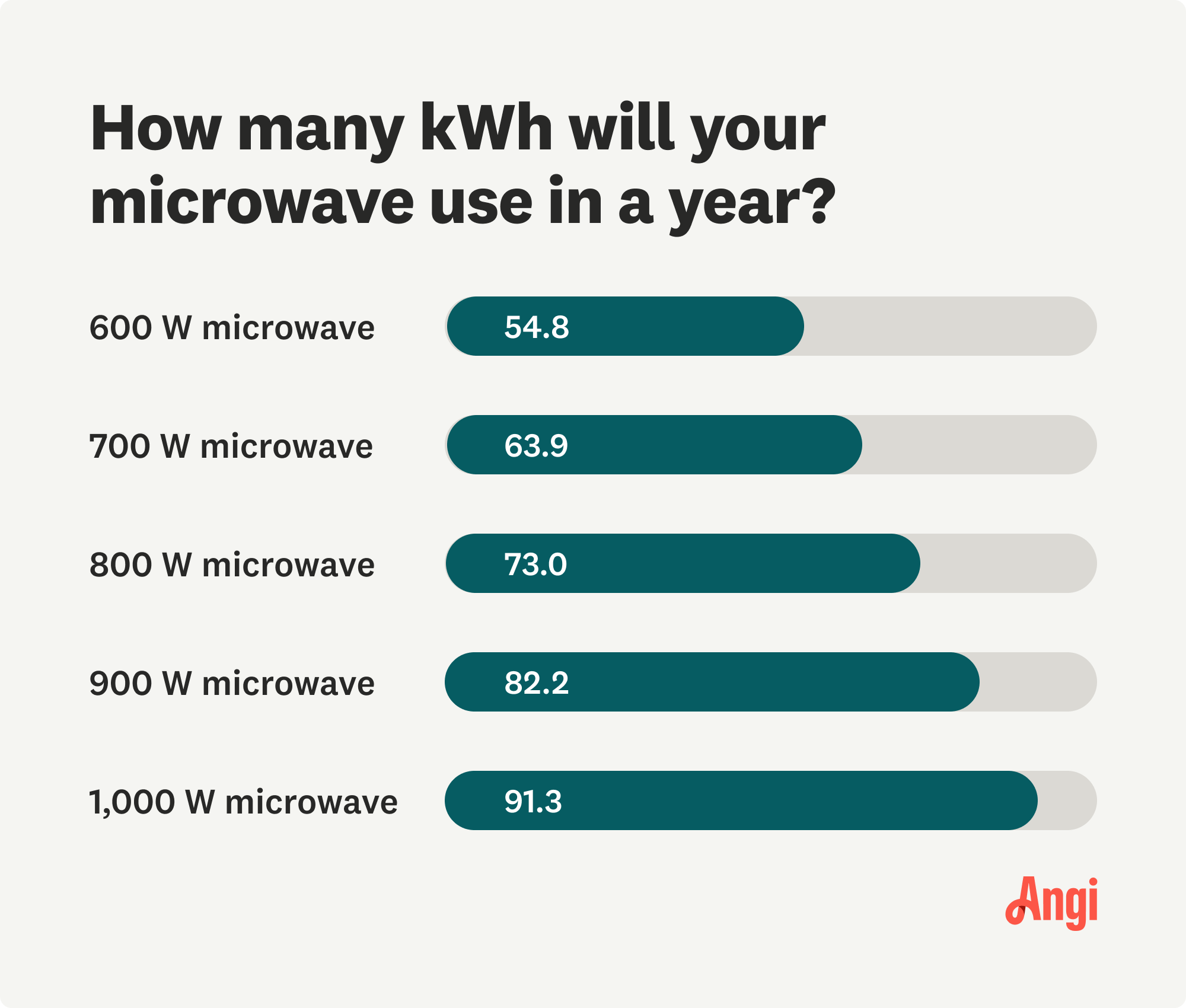
Lower wattage microwaves use less electricity but cook slower. Higher wattage models use more energy but finish cooking fast. Choose wattage based on your balance of energy use and cooking speed. Efficient cooking saves both time and power.
Benefits Of High Wattage Microwaves
High wattage microwaves offer many benefits that improve your cooking experience. They deliver more power, which means better performance. These microwaves save time and provide more options for cooking diverse meals. They also ensure food heats evenly, avoiding cold spots and overcooked edges.
Faster Cooking Times
Microwaves with higher wattage cook food much faster. They use more energy to heat food quickly and efficiently. This helps reduce wait times, especially for busy households. Faster cooking means you can prepare meals in less time and enjoy them sooner.
More Cooking Options
High wattage microwaves often have advanced features and settings. These include grilling, roasting, and convection cooking. Such options allow you to prepare a wider variety of dishes. You can try new recipes and cooking styles easily with these microwaves.
Better Heating Consistency
Microwaves with more watts provide even heating throughout the food. They reduce cold spots and prevent uneven cooking. This consistency improves food texture and taste. It also lowers the chance of undercooked or overheated parts in meals.
Advantages Of Low Wattage Microwaves
Low wattage microwaves offer clear benefits that suit many users. They provide practical solutions for everyday heating without extra power. These microwaves fit well in homes needing simple, efficient appliances. Their design focuses on saving energy and space while handling basic cooking tasks effectively.
Energy Savings
Low wattage microwaves use less electricity than high watt models. This reduces your power bill over time. They are ideal for people who want to cut energy costs. Smaller power use means less strain on the environment too. These microwaves run efficiently for short, quick heating jobs.
Compact Size For Small Spaces
Low wattage microwaves are usually smaller and lighter. They fit easily on kitchen counters or in dorm rooms. Small kitchens benefit from these space-saving designs. Their compact size makes them easy to move and store. Perfect for apartments, offices, or anywhere space is tight.
Suitable For Simple Tasks
These microwaves work well for reheating and defrosting food. They handle simple meals like popcorn or instant noodles. Low watt models provide consistent heating for basic needs. They are less suited for complex cooking but great for quick use. Ideal for users who do not need advanced features.
Limitations Of Low Wattage Models
Low wattage microwaves have clear limitations that affect cooking quality and time. They may seem like a budget-friendly option but can cause frustration in daily use. Understanding these drawbacks helps in choosing the right microwave for your needs.
Longer Cooking Times
Low wattage models take more time to cook food. Meals that cook quickly in high wattage microwaves can take double the time here. This delay can be inconvenient, especially during busy days or quick meal prep.
Uneven Heating
These microwaves often heat food unevenly. Some parts may be hot while others stay cold. Uneven heating can lead to food that is partly undercooked or overcooked. This issue affects taste and safety of your meals.
Not Ideal For Large Portions
Low wattage microwaves struggle with large food portions. They cannot heat big dishes efficiently or evenly. Cooking for families or groups may require multiple heating sessions, which wastes time and energy.
Tips To Maximize Microwave Efficiency
Maximizing microwave efficiency helps save energy and cooks food better. Small changes in how you use your microwave can make a big difference. These tips improve cooking results and reduce wasted power.
Adjusting Cooking Times
Microwaves with different wattages cook food at different speeds. Lower wattage microwaves need longer cooking times. Check your microwave’s wattage and adjust the cooking time accordingly. Short bursts of heating often work better than one long session. This helps avoid overheating or uneven cooking.
Using Vented Covers
Using a vented cover traps steam and heats food evenly. It also prevents splatters inside the microwave. Covers keep moisture in, so food cooks faster and stays tender. Avoid tight covers that block steam from escaping. This simple step saves energy and improves food texture.
Stirring And Flipping Food
Stirring or flipping food during cooking helps heat spread evenly. Microwaves heat food from the outside in, so stirring avoids cold spots. For thicker dishes, pause halfway and mix or turn the food. This reduces overcooked edges and undercooked centers.
Regular Cleaning
Keep your microwave clean to maintain its efficiency. Food residue absorbs energy, making the microwave work harder. Wipe spills and splatters after each use. Clean the turntable and inside walls regularly. A clean microwave cooks faster and lasts longer.
)
Credit: www.energysage.com

Credit: www.coastappliances.ca
Frequently Asked Questions
How Many Watts Is A Good Microwave?
A good microwave typically ranges between 700 and 1200 watts. Higher wattage cooks food faster and more evenly. Choose 700-900 watts for basic reheating and 1000-1200 watts for faster cooking or larger meals.
Is 1500 Watts A Lot For A Microwave?
Yes, 1500 watts is high for a microwave. It cooks food faster and handles larger meals efficiently.
Are Most Microwaves 1200 Watts?
Most microwaves range between 700 and 1200 watts. Many models offer 1000 to 1200 watts for faster, even cooking.
Conclusion
Choosing the right microwave wattage depends on your cooking habits. Most average microwaves use between 700 and 1,200 watts. Lower wattage works well for simple tasks like reheating. Higher wattage microwaves cook food faster and more evenly. Consider what you cook often to pick the best wattage.
Balance energy use and cooking speed for your needs. This helps you save time and energy in the kitchen. Knowing average microwave watts makes shopping easier and smarter.