How to Replace Handle on Ge Microwave: Easy Step-by-Step Guide
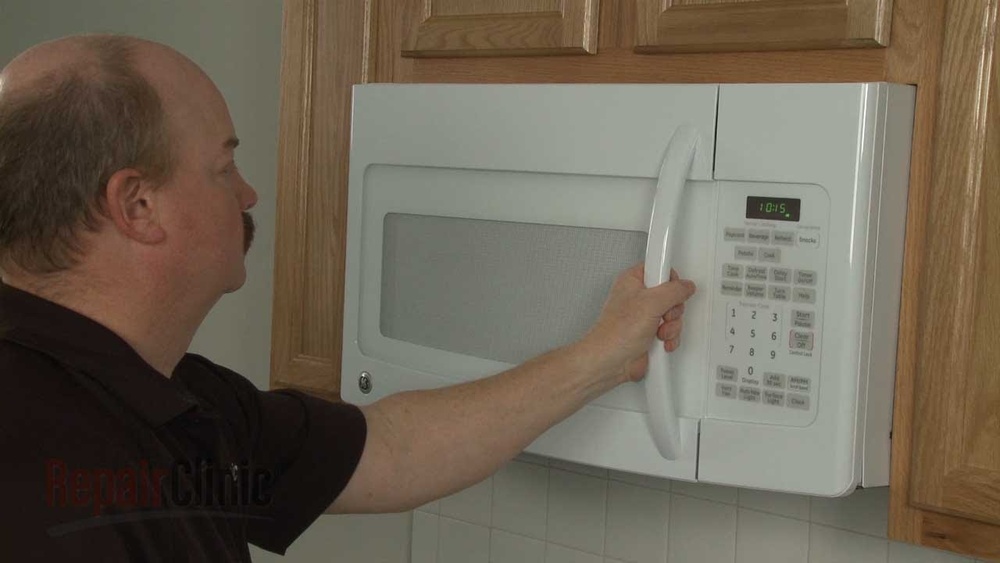
Is your GE microwave handle broken or loose? You don’t have to live with a frustrating door that’s hard to open or close.
Replacing the handle yourself is easier than you might think—and it can save you time and money compared to calling a repair service. In this guide, you’ll learn simple, step-by-step instructions to remove your old handle and install a new one with just a few tools.
Keep reading to get your microwave door working like new again, so you can enjoy hassle-free cooking without the worry of a broken handle.
Tools And Materials Needed
Before replacing the handle on your GE microwave, gather all necessary tools and materials. Having everything ready makes the job quicker and safer. This list ensures no interruptions during the repair.
Basic Tools Required
Start with a Phillips head screwdriver. It removes and installs the handle screws. A putty knife helps pry off the door trim carefully. Avoid damage by using a plastic putty knife if possible. A flashlight can improve visibility inside tight spots.
Replacement Handle
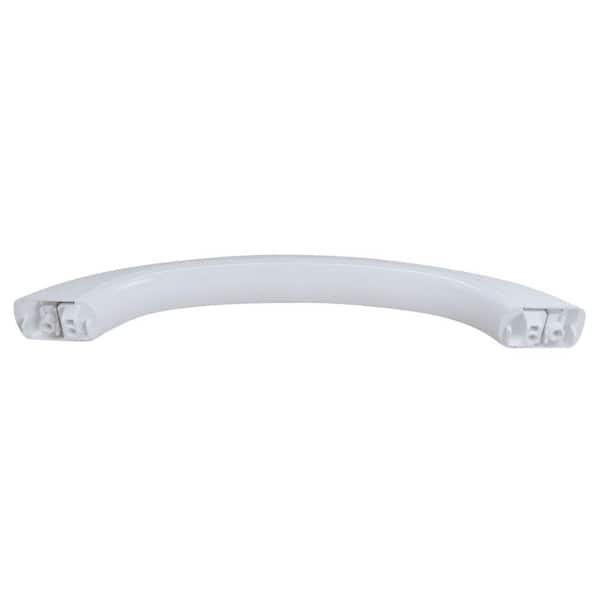
Buy a handle made for your GE microwave model. Check model number on the microwave label. An exact fit ensures proper installation and function. Avoid generic handles that may not align correctly.
Additional Materials
Keep a clean cloth handy to wipe dust and dirt. Use gloves to protect your hands from sharp edges. Have a small container to hold screws safely during the process. These small steps help keep your workspace organized.
Safety Precautions
Safety is the top priority when replacing the handle on your GE microwave. Handling electrical appliances requires care to avoid injury or damage. Taking the right precautions ensures a smooth and safe repair process.
Always disconnect the microwave from the power source before starting. This step prevents electric shock or accidental activation. Working on a plugged-in appliance is dangerous and should never be done.
Use the correct tools for the task. A screwdriver and putty knife are often needed. Using the wrong tools can cause damage to the microwave or injury to yourself.
Wear protective gloves to avoid cuts from sharp edges. Microwave doors and internal parts can have sharp metal or plastic pieces. Gloves provide an extra layer of safety during the replacement.
Handle all parts gently. Microwave door components are fragile and can break if forced. Take your time to carefully remove and install the handle.
Unplug The Microwave
Always unplug the microwave before starting the repair. This stops electricity flow and lowers the risk of shock. Double-check the plug to make sure power is off.
Use Proper Tools
Gather the right tools before you begin. A Phillips screwdriver and putty knife are common tools needed. Avoid makeshift tools that can slip or damage parts.
Wear Protective Gloves
Put on gloves to protect your hands. Sharp edges inside the microwave can cause cuts. Gloves help keep your hands safe while working.
Work In A Clean Area
Choose a clean, well-lit workspace. Clear space helps you keep track of small screws and parts. Good lighting allows you to see clearly and avoid mistakes.
Handle Parts With Care
Remove and install parts slowly and gently. Forcing pieces can break them. Treat the microwave components with care to avoid damage.
Preparing The Microwave
Preparing your GE microwave before replacing the handle is important. It ensures safety and smooth work. Take time to get ready. Follow simple steps to avoid accidents and damage.
Unplugging The Unit
Always unplug the microwave before starting. This stops electricity flow. It protects you from electric shock. Find the power cord and pull it from the outlet. Do not touch any parts inside the microwave while it is plugged in.
Clearing The Work Area
Clear space around the microwave. Remove nearby objects and clutter. This gives you room to work comfortably. Place the microwave on a stable, flat surface. Use a clean cloth to protect the surface from scratches. Good lighting helps to see screws and parts clearly.
Credit: www.homedepot.com
Removing The Door Trim
Removing the door trim is the first step to replace the handle on your GE microwave. The trim covers the screws that hold the handle in place. Taking off the trim carefully prevents damage to the door and the microwave. This process requires patience and the right tools. Follow the simple methods below to remove the door trim safely.
Using A Putty Knife
Start by turning off and unplugging the microwave. Slide a putty knife under the inside edge of the door trim. The putty knife should be thin enough to fit between the trim and door. Gently push the knife deeper to loosen the trim. Move the knife slowly to avoid cracking the plastic. Work your way around the trim with the putty knife until it starts to lift.
Prying The Trim Carefully
Use the putty knife as a lever to pry the trim off. Apply light pressure and avoid force. The trim is held by clips or adhesive that can break easily. Pry in small sections instead of pulling the trim all at once. If needed, use your fingers to pull the loosened trim away from the door. Keep the trim safe to reattach later after the handle replacement.
Detaching The Old Handle
Removing the old handle from your GE microwave is the first step in the replacement process. It requires care to avoid damaging the door or the microwave itself. This section explains how to detach the old handle safely and efficiently.
Locating Mounting Screws
Begin by opening the microwave door fully. Look along the edge of the handle for small screws. These screws hold the handle firmly to the microwave door. Some models hide screws under a plastic trim or cover. Use a flat tool to gently pry off any trim if needed. Identifying all screws is important to remove the handle smoothly.
Unscrewing The Handle
Use a Phillips head screwdriver to unscrew each mounting screw. Turn the screws counterclockwise until they come out completely. Keep the screws in a safe place for the new handle installation. After removing all screws, carefully pull the handle away from the door. If the handle feels stuck, check for hidden screws or trim pieces. Removing the old handle is now complete and ready for the new one.
Installing The New Handle
Installing the new handle on your GE microwave is a simple process. It requires careful alignment and secure fastening. Follow each step closely to ensure a firm fit. A proper installation restores the microwave’s look and function quickly.
Aligning The Handle
Start by placing the new handle against the microwave door. Match the screw holes on the handle to those on the door. Check that the handle sits flush and straight. Proper alignment prevents damage and makes the handle easy to use.
Securing With Screws
Next, use a Phillips head screwdriver to insert the screws. Tighten the screws evenly to hold the handle firmly. Avoid over-tightening to prevent cracking the plastic. Double-check that the handle does not wobble and is securely attached.
Reattaching The Door Trim
Reattaching the door trim is the final step in replacing your GE microwave handle. This part covers the internal components and gives the door a clean, finished look. Properly securing the trim ensures the handle stays firmly in place and the door functions smoothly.
Positioning The Trim
Start by aligning the door trim with the edges of the microwave door. Check that all clips and tabs match their slots. Hold the trim gently against the door without forcing it. This step sets the foundation for a secure fit and prevents damage to the trim or door.
Pressing Into Place
Press the trim firmly but carefully along its edges. Apply even pressure from one side to the other. You may hear small clicks as the clips snap into place. Avoid using sharp tools to push the trim, as this can cause cracks or breaks.
Testing The Handle
Testing the handle after replacement is crucial for safe microwave use. It ensures the handle fits well and works smoothly. A properly tested handle prevents accidents and improves kitchen safety.
Check The Handle Alignment
Look closely at how the handle sits on the microwave door. It must align evenly with the door edges. Misalignment can cause the door not to close properly. Adjust the screws to fix any misfit.
Open And Close The Door
Gently pull the handle to open the microwave door. The door should open easily without extra force. Close the door fully and listen for a secure click. This confirms the latch is working with the new handle.
Test For Stability
Hold the handle firmly and wiggle it slightly. The handle should not move or feel loose. Tighten the screws if you notice any wobbling. A stable handle lasts longer and avoids damage.
Inspect For Damage
Look over the handle surface for cracks or scratches. New handles should be free of defects. Replace the handle again if you find any damage. This helps maintain your microwave’s good condition.
Troubleshooting Tips
Replacing the handle on a GE microwave can be straightforward. Yet, some common problems might slow you down. Troubleshooting tips help fix these issues quickly. They keep the repair process smooth and safe.
Check the handle fit first. A loose or tight handle can cause trouble. Proper alignment ensures the screws fit well. This step avoids damage to the door.
Check For Proper Screw Tightening
Screws hold the handle in place. Loose screws cause the handle to wobble. Tighten screws with a Phillips screwdriver. Avoid overtightening to prevent stripping the screw holes.
Inspect The Door Trim Removal
Removing the door trim is key. Use a putty knife gently. Pry the trim slowly to avoid cracking. Damaged trim can affect handle installation.
Ensure Correct Handle Alignment
Align the new handle on the door. The screw holes must line up exactly. Misalignment leads to poor fit and loose handles. Adjust before tightening screws.
Test The Handle After Installation
Open and close the door several times. The handle should feel secure and steady. If it moves, check screw tightness again. Proper testing prevents future problems.

Credit: www.youtube.com
When To Seek Professional Help
Replacing the handle on a GE microwave can be straightforward. Some tasks may require expert skills. Knowing when to seek professional help protects your microwave and ensures safety. Avoid risks that may cause damage or injury.
Signs Of Electrical Issues
If the microwave shows sparks or unusual sounds, stop immediately. Electrical problems need a certified technician. They have the tools and knowledge to fix wiring safely.
Damaged Door Or Frame
A cracked door or bent frame can affect microwave function. Handle replacement alone won’t solve these problems. Professionals can assess and repair structural damage properly.
Difficulty Removing Old Handle
Stripped screws or stuck parts can make removal hard. Forcing the handle may break the door or trim. Experts use special tools to remove parts without harm.
Warranty Considerations
Some microwaves have warranties that require professional repairs. DIY fixes might void coverage. Check your warranty terms before starting the repair.
Lack Of Proper Tools
Handle replacement needs screwdrivers and sometimes pry tools. Without the right equipment, work becomes unsafe or incomplete. Professionals come prepared with all necessary tools.

Credit: www.amazon.com
Frequently Asked Questions
Can You Replace A Handle On A Ge Microwave?
Yes, you can replace a handle on a GE microwave. Unplug the microwave, remove door screws, pry off trim, then unscrew and replace the handle.
How To Replace A Microwave Door Handle?
Unplug the microwave. Remove screws securing the door handle. Pry off the interior trim carefully. Align and screw in the new handle. Reattach the trim securely.
Can I Replace Door Handles Myself?
Yes, you can replace door handles yourself with basic tools. Measure your door and choose the right handle before starting. Follow instructions carefully for a secure fit.
Conclusion
Replacing the handle on your GE microwave is simple and quick. Use basic tools like a screwdriver and putty knife for the job. Always unplug the microwave before starting any work. Carefully remove the old handle and trim, then attach the new handle securely.
Following these clear steps helps avoid damage and ensures a proper fit. Now, your microwave door will open and close smoothly again. This small fix saves money and extends your microwave’s life. Keep this guide handy for easy reference next time you need a repair.