How to Measure for a Over the Range Microwave: Easy Step-by-Step Guide
Thinking about upgrading your kitchen with an over-the-range microwave? Before you rush out to buy one, it’s crucial to measure your space correctly.
Getting the measurements right ensures your new microwave fits perfectly, looks great, and functions smoothly without any surprises. In this guide, you’ll learn simple, step-by-step tips to measure the width, height, and depth of your existing space. With these easy tricks, you’ll avoid costly mistakes and find the perfect microwave that matches your kitchen layout.
Keep reading to make your microwave shopping stress-free and spot-on every time!
Measure Your Space
Measuring your space correctly is the first step to finding the right over-the-range microwave. Accurate measurements ensure the new microwave fits well and works properly. Take your time to measure every key dimension carefully.
Width And Height Of Cabinet Opening
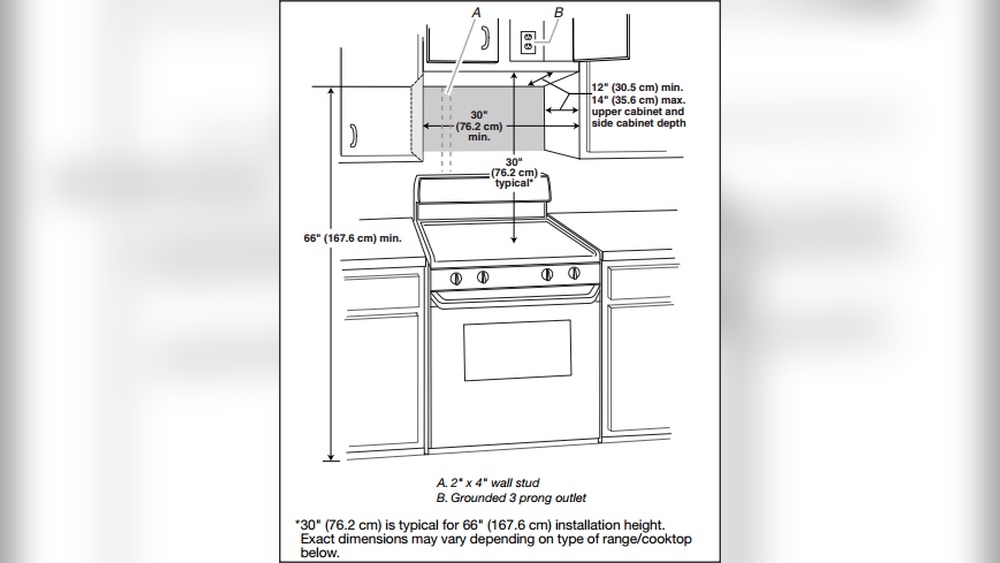
Measure the width of the cabinet opening above your cooktop. Use a tape measure and record the distance from one side to the other. Next, measure the height of the cabinet opening from the bottom edge to the top. These two numbers will guide your microwave size choice.
Depth From Cooktop To Microwave Bottom
Measure the distance from the cooktop surface to the bottom of the microwave or cabinet. This space must be enough for cooking and safe microwave use. Note this depth to avoid models that are too deep or shallow for your kitchen setup.
Check For Backsplash Presence
Look behind your cooktop for a backsplash. If you have one, measure how far it extends above the cooktop. A tall backsplash might affect how the microwave fits or mounts. This step helps prevent installation problems later.
Photograph Current Microwave Model Number
Take a clear photo of your current microwave’s model number. This helps if you want to find the exact size or replacement parts. Keep the photo for reference when shopping or consulting with appliance experts.
Credit: www.angi.com
Assess Ventilation Type
Understanding the ventilation type is crucial before measuring for an over-the-range microwave. Ventilation affects installation and performance. It ensures smoke, steam, and odors exit your kitchen properly. This section helps you identify your microwave’s vent type. Knowing this saves time and avoids costly mistakes.
Recirculating Vs. External Venting
Recirculating vents clean air through filters and send it back inside. They do not need ductwork. These microwaves suit kitchens without outside vent access. External venting pushes air outside through ducts. This type requires a vent pipe or chimney to the outdoors. Choose based on your kitchen layout and vent options.
Vent Location And Size
Locate your vent to measure accurately. It can be on the top or the back of the microwave. Measure the vent’s width and height. Also, check the duct size if you have external venting. Proper vent size keeps air flowing well. Incorrect sizes cause poor ventilation and noise.
Determine Microwave Size
Choosing the right size for your over-the-range microwave is essential. It ensures a perfect fit and smooth installation. Measuring the space carefully avoids problems later. Understand what size suits your kitchen and cooking needs. This section guides you through the key points of determining microwave size.
Standard Dimensions To Consider
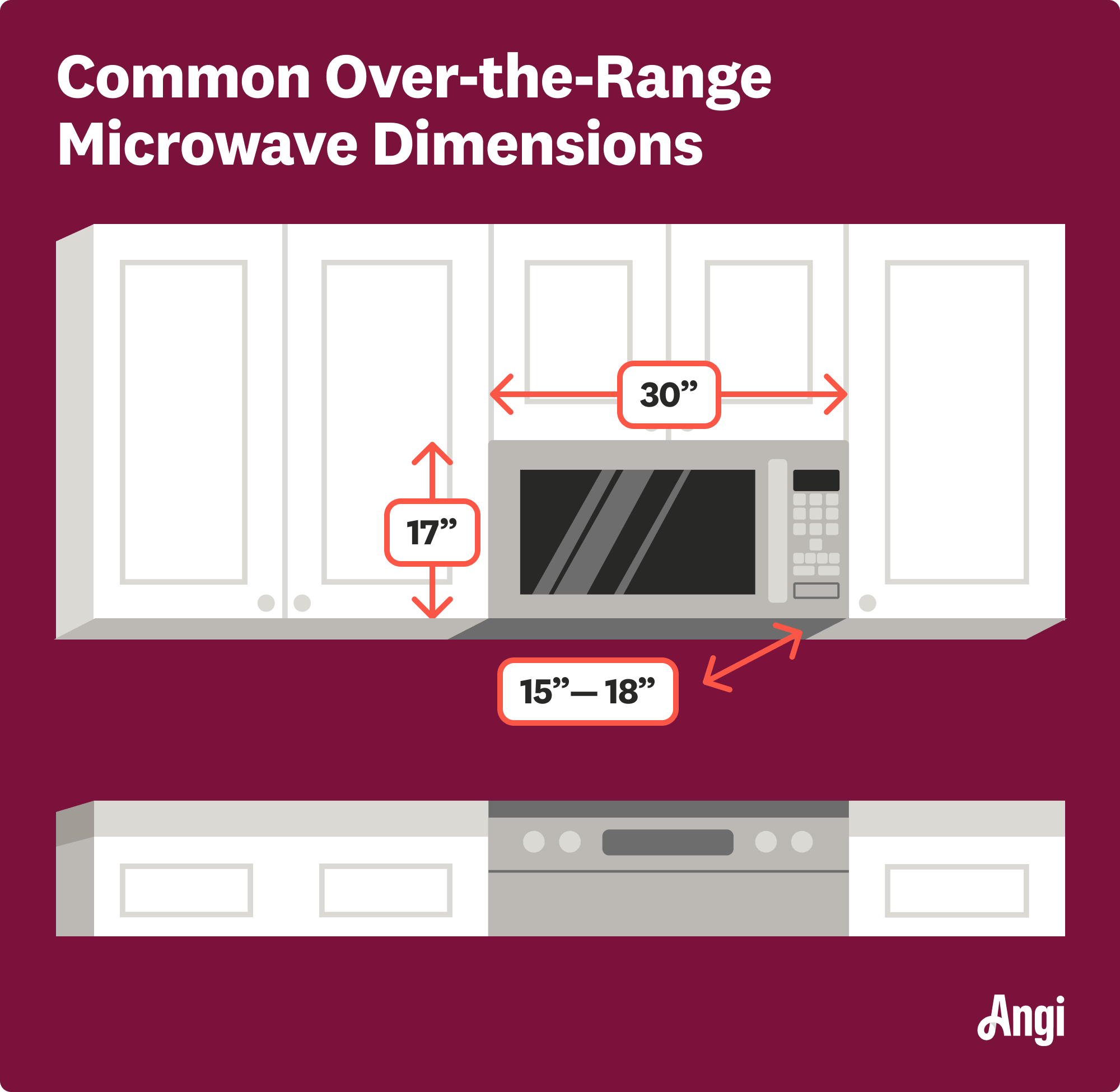
Most over-the-range microwaves have common width sizes. They usually come in 30 inches or 36 inches wide. Check the width of your cabinet opening first. Height varies but often ranges from 16 to 18 inches. Depth is also important; it usually falls between 15 and 17 inches. Measure from the cooktop surface to the bottom of the cabinet above. These numbers help find a microwave that fits well in your kitchen space.
Capacity Needs For Your Household
Microwave capacity is measured in cubic feet. Small units range from 0.9 to 1.5 cubic feet. Medium sizes go from 1.6 to 2.0 cubic feet. Large microwaves offer 2.1 cubic feet or more. Think about your household size and cooking habits. Small capacity works for one or two people. Larger families or frequent cooks may need more space. Choose a size that matches your meal prep and storage needs.

Credit: www.angi.com
Evaluate Wattage And Power
Evaluating wattage and power is essential when choosing an over-the-range microwave. These factors affect cooking speed and food quality. Knowing the right wattage helps pick a microwave that fits your needs and kitchen setup. It also ensures energy efficiency and safety during use.
Recommended Wattage Range
Most over-the-range microwaves have wattage between 800 and 1200 watts. Microwaves below 800 watts may cook food slowly or unevenly. Models around 1000 watts provide good balance of power and efficiency. Higher wattage microwaves heat food faster but use more energy. Choose a wattage that matches your cooking habits and meal size.
Impact On Cooking Performance
Higher wattage microwaves cook food more evenly and quickly. They reduce hot spots and improve texture. Low wattage models might leave food cold in some areas. Wattage also influences defrosting and reheating times. A suitable power level helps avoid overcooking or undercooking meals. This leads to better taste and saves time in the kitchen.
Explore Cooking Features
Exploring the cooking features of an over-the-range microwave helps choose the right model. Different microwaves offer various functions that improve cooking quality and convenience. Understanding these features makes it easier to pick one that fits your kitchen needs.
Sensor Cooking Options
Sensor cooking detects the steam from food and adjusts time automatically. It prevents overcooking or undercooking meals. This feature saves time and energy by cooking food perfectly every time. It is ideal for reheating leftovers or cooking fresh dishes.
Convection And Preset Functions
Convection microwaves use a fan to circulate hot air for even cooking. It allows baking and roasting, unlike traditional microwaves. Preset functions offer one-touch cooking for common foods like popcorn or pizza. These presets simplify meal preparation and ensure consistent results.
Inverter Technology Benefits
Inverter technology provides steady power for precise cooking control. It cooks food evenly and preserves texture better than standard microwaves. This technology is useful for delicate dishes like fish or sauces. It also reduces cooking time and energy use.
Check Lighting And Fan
Checking the lighting and fan of your over-the-range microwave is essential before buying. These features affect cooking visibility and ventilation. Make sure the light brightens the cooktop well. Also, the fan should clear smoke and odors quietly. Measuring these will help you choose the right model.
Cooktop Light Type And Brightness
Identify the type of light your current microwave uses. Common types are halogen, LED, or incandescent. LED lights last longer and use less energy. Measure how bright the light is on your cooktop. A good light should clearly show the cooking surface. Note the light’s position and size to ensure proper coverage.
Fan Performance And Noise Levels
Check how well the fan removes smoke and steam. It should vent air either outside or through a filter. Test the fan on different speed settings. Listen to the noise it makes. A quiet fan is better for your kitchen. Measure the fan’s airflow in cubic feet per minute (CFM) if possible. This helps find a microwave with the right ventilation power.
Consider Design And Style
Choosing the right design and style for an over-the-range microwave is important. It affects the kitchen’s look and how the microwave fits in the space. Consider the size, shape, and features that match your kitchen decor and needs. This section helps you understand different styles and smart features to help you decide.
Low-profile Vs. Traditional Models
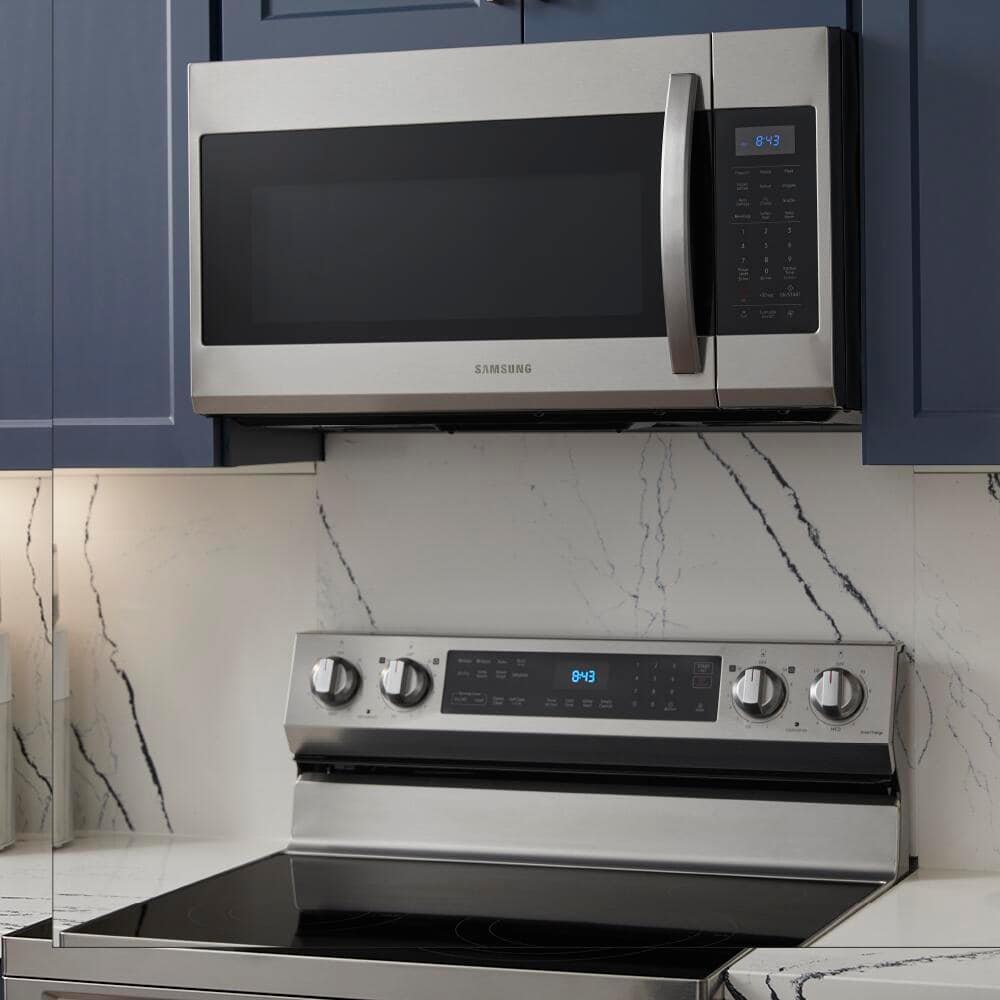
Low-profile microwaves have a sleek, slim design. They fit well in kitchens with low cabinets or limited space. These models offer a modern look and save overhead space. Traditional models are larger and usually have more features. They often include a built-in exhaust fan and light. Choose low-profile for a minimal look. Pick traditional if you want more power and options.
Smart Capabilities And Controls
Smart microwaves have touch controls and digital displays. Some connect to Wi-Fi for remote control via smartphone apps. These features make cooking easier and more precise. Basic models have manual buttons and simple settings. Consider smart controls if you want convenience and advanced cooking options. Otherwise, simple controls work well and are easy to use.
Credit: www.homedepot.com
Brand Research And Reviews
Choosing the right over-the-range microwave starts with thorough brand research and reading reviews. This step helps you find models that fit your kitchen space and deliver long-term satisfaction. Brands vary in quality, price, and features, so understanding their reputation matters.
Customer reviews often reveal real experiences beyond product descriptions. They highlight common issues and benefits. Researching brands and reviews saves time and money by guiding you to reliable choices.
Reliability And Durability Ratings
Check how brands score on reliability and durability. Look for ratings from trusted sources that test appliances over time. Brands with high scores usually offer fewer repairs and longer warranties.
Focus on microwaves made with strong materials and good construction. These models resist wear and tear better. Durable microwaves stay functional longer, even with daily use.
Customer Feedback Insights
Read customer feedback to see how microwaves perform in real kitchens. Pay attention to comments about installation ease and fitting accuracy. These details relate directly to your measurement needs.
Notice patterns in complaints or praise. Multiple users reporting the same problem is a red flag. Positive feedback on ease of use and venting systems shows a thoughtful design.
Installation Preparation
Preparing for the installation of an over the range microwave is an important step. Proper preparation ensures the microwave fits well and works safely. Measuring your space correctly and gathering the right tools saves time and avoids mistakes. Follow simple steps to get ready for a smooth installation process.
Tools And Materials Needed
Gather these tools before starting:
- Measuring tape
- Level
- Pencil or marker
- Drill with drill bits
- Screwdriver
- Stud finder
- Safety glasses
- Mounting brackets (usually included with microwave)
- Electrical outlet nearby
Having all tools and materials ready makes the installation faster and safer.
Safety Tips During Installation
Always wear safety glasses to protect your eyes from dust and debris.
Turn off the power to the area before working with electrical parts.
Use a stud finder to locate wall studs for secure mounting.
Do not rush the process; take your time to ensure correct measurements and placement.
Ask for help when lifting the microwave to avoid injury or damage.
Troubleshooting Common Issues
Troubleshooting common issues is essential when measuring for an over-the-range microwave. Problems often arise from fit and ventilation mistakes. Proper measurement helps avoid these hassles. This section covers typical challenges and how to fix them.
Fit Problems
Fit problems happen if measurements are not accurate. Measure the width, height, and depth of the cabinet opening carefully. Check the space from the cooking surface to the bottom of the microwave. Ensure there is no backsplash or uneven surface that blocks installation.
Compare your measurements with the microwave’s size. A microwave too large will not fit. One too small may look awkward or leave gaps. Also, check the mounting bracket location. Misaligned brackets cause installation troubles.
Ventilation Challenges
Ventilation is vital for safety and microwave performance. Determine if your microwave vents outside or recirculates air inside. Venting outside requires a clear duct path. Blocked or narrow ducts reduce airflow and cause overheating.
For recirculating microwaves, ensure filters are clean and properly installed. Filters trap grease and smoke but need regular replacement. Check the vent hood size matches the microwave’s exhaust vents. Poor ventilation can cause odors and damage walls.
Frequently Asked Questions
How Do I Know What Size Over The Range Microwave I Need?
Measure the cabinet opening’s width, height, and depth above your range. Check ventilation type and microwave capacity needed. Match size to your cooking space and family needs for proper fit and function.
What Does 2.1 Cu Ft Mean For A Microwave?
2. 1 cu ft means the microwave’s internal cooking space holds 2. 1 cubic feet. It fits larger dishes and meals.
How To Know What Over The Range Microwave To Buy?
Measure your cabinet opening’s width, height, and depth first. Check if ventilation is recirculating or external. Choose capacity, wattage, and features like sensor cooking based on your needs. Research brand reliability and read reviews to ensure durability and performance.
Conclusion
Measuring for an over-the-range microwave is simple with the right steps. Start by measuring width, height, and depth carefully. Don’t forget to check the ventilation type and space for proper fit. Using clear measurements helps avoid mistakes and ensures a smooth installation.
Take your time and double-check numbers before buying. This way, you get a microwave that fits perfectly and works well in your kitchen. Accurate measuring leads to better choices and a hassle-free cooking experience.