How to Remove a Over the Range Microwave: Easy Step-by-Step Guide
Thinking about removing your over-the-range microwave but feeling unsure where to start? You’re not alone.
These appliances can feel bulky and tricky to take down, especially when they’re mounted above your stove. But here’s the good news: with the right steps, you can safely and confidently remove your microwave without calling a pro. In this guide, you’ll learn exactly how to take it off the wall bracket, disconnect it properly, and avoid common pitfalls.
Ready to make your kitchen upgrade or repair easier? Keep reading and discover how simple removing your over-the-range microwave can be!
Tools And Materials Needed
Removing an over-the-range microwave requires the right tools and materials. Having these ready makes the process easier and safer. This section lists all essentials needed for the job.
Safety Gear
Wear safety goggles to protect your eyes from dust and debris. Use work gloves to keep your hands safe from sharp edges. A dust mask can help if the area is dirty.
Basic Hand Tools
A screwdriver set is essential, including both Phillips and flathead types. A drill with screwdriver bits speeds up removing screws. Pliers help with gripping and pulling wires or small parts.
Electrical Tools
A voltage tester ensures power is off before working with electrical connections. Wire cutters and strippers are useful for disconnecting wires safely.
Support Materials
Use a sturdy step ladder to reach the microwave comfortably. A helper can hold the microwave steady during removal. Have a towel or blanket ready to place the microwave on after removal.
Safety Precautions
Removing an over-the-range microwave requires careful attention to safety. This step protects you and your home from electrical hazards and injuries. Follow these safety precautions before starting the removal process.
Turn Off The Power Supply
Switch off the microwave’s power from the circuit breaker. Do not rely on just unplugging it. This prevents electrical shocks during removal.
Use Proper Tools And Equipment
Gather the right tools like a screwdriver, drill, and a sturdy step ladder. Wear gloves and safety glasses to protect your hands and eyes.
Secure The Microwave Before Removal
Ask someone to help support the microwave. It is heavy and awkward to hold alone. This prevents dropping and damage.
Check For Gas Or Vent Connections
Some microwaves connect to a vent or gas line. Ensure these are safely disconnected before removal. This avoids leaks or damage.
Work In A Well-lit Area
Good lighting helps you see screws and wires clearly. Avoid dark or cluttered spaces. This reduces the risk of accidents.
Prepare The Microwave Area
Preparing the microwave area is a key step before removal. It ensures safety and makes the process smooth. Take time to organize and secure the space around your microwave.
Clear Surrounding Space
Remove items from the countertop and stove below the microwave. Clear shelves and cabinets nearby to avoid accidents. This creates enough room to work comfortably. It also prevents damage to your belongings.
Turn Off Power Supply
Locate the microwave’s circuit breaker in your home’s electrical panel. Switch it off to cut the power supply completely. Confirm the microwave is not receiving electricity by testing the controls. This step protects you from electric shocks during removal.
Locate Mounting Hardware
Locating the mounting hardware is the first step to safely removing an over the range microwave. The microwave is secured by several bolts and brackets. These parts keep it steady above your stove. Knowing where these are helps you remove the microwave without damage.
Check Cabinet Bolts
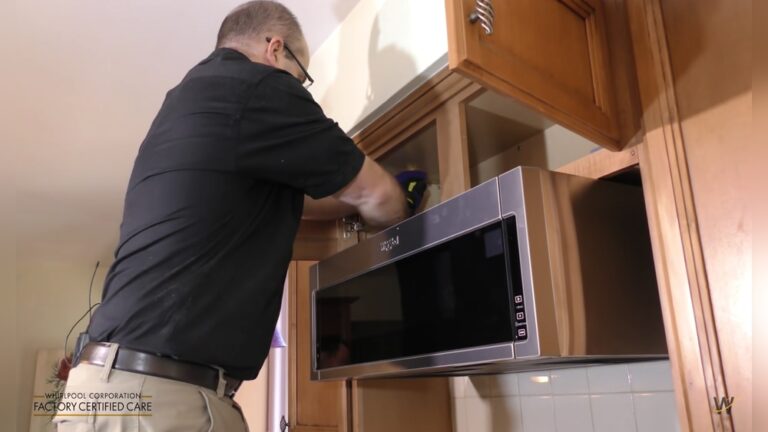
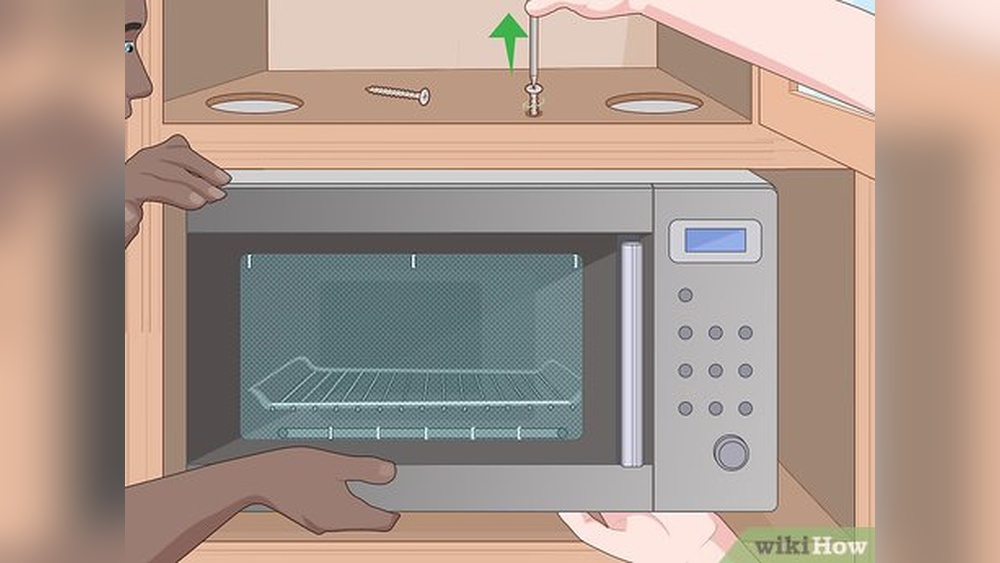
Look inside the cabinet above the microwave. You will find large bolts near the front edge. These bolts go through the cabinet floor and hold the microwave in place. Use a screwdriver or socket wrench to remove them. Support the microwave while loosening these bolts to prevent it from falling.
Identify Wall Bracket
Behind the microwave, there is a metal wall bracket. This bracket hooks onto the microwave’s back. Once the cabinet bolts are removed, gently lean the microwave forward. Unplug the microwave before moving it. Lift the back of the microwave off the wall bracket tabs. The microwave will then be free for removal.
Support And Remove Bolts
Removing an over-the-range microwave starts with supporting the unit and taking out the bolts. This step is crucial for safety and to avoid damage. Holding the microwave steady prevents it from falling as you loosen the fasteners. Take your time and prepare a helper if needed. Follow each step carefully for a smooth removal process.
Secure Front Of Microwave
Place your hands firmly under the front edge of the microwave. Support its weight to stop it from tipping forward. Keep a steady grip throughout the removal process. This prevents accidents and protects the microwave from damage. Use a sturdy stool or ladder to reach comfortably if needed. Steady support makes unscrewing bolts easier and safer.
Unscrew Cabinet Bolts
Locate the bolts attaching the microwave to the cabinet above. Use a drill or screwdriver to remove these bolts carefully. Turn each bolt counterclockwise until fully loosened. Keep the microwave supported while removing the last bolt. Set bolts aside safely for reuse or disposal. After bolts are out, gently lean the microwave forward. Unplug the microwave before fully removing it from the wall bracket.

Credit: www.youtube.com
Disconnect Electrical Connections
Before removing an over the range microwave, disconnecting the electrical connections is essential. This step prevents electrical shocks and ensures safety during the removal process. Always handle wiring with care to avoid damage or accidents.
Unplug Microwave
Locate the microwave’s power cord. It is usually plugged into an outlet above the stove or inside the cabinet. Gently pull the plug from the socket. Do not yank the cord to avoid damage. Ensure the microwave is fully unplugged before proceeding.
Handle Wiring Carefully
Some microwaves have hardwired electrical connections behind the unit. Turn off the circuit breaker that controls the microwave’s power. Use a voltage tester to confirm no electricity flows. Unscrew the wire nuts or connectors carefully. Keep track of the wires for reinstallation or disposal.
Detach Microwave From Wall Bracket
Detaching the microwave from its wall bracket is a crucial step in removing an over-the-range microwave. This process requires careful handling to avoid damage to the unit or the wall. Start by securing the microwave’s front to keep it steady. Then, follow the correct steps to safely release the microwave from its mounting.
Lean Microwave Forward
Gently lean the microwave forward from the bottom. This action creates space between the microwave and the wall plate. It allows you to reach the locking tabs behind the unit. Keep the microwave supported to prevent it from falling.
Lift Off Wall Plate Tabs
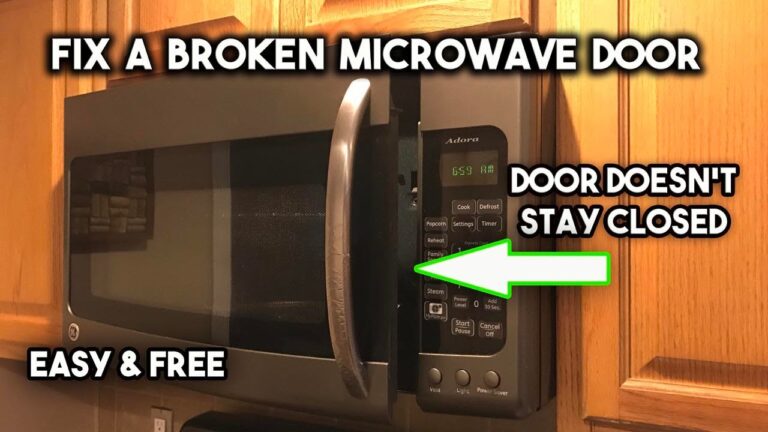
Locate the wall plate tabs at the back of the microwave. Carefully lift these tabs upward to release the microwave. Once the tabs are free, you can pull the microwave away from the wall. Ensure the unit is fully detached before moving it completely off the bracket.

Credit: www.youtube.com
Remove Microwave Safely
Removing an over-the-range microwave needs care to avoid accidents. Safety is the top priority during this task. Proper handling prevents damage to the microwave and kitchen. Follow clear steps to remove the microwave safely and smoothly.
Lower And Carry Microwave
Before lowering, disconnect the microwave from power. Have one or two helpers ready to assist. Support the microwave firmly from underneath. Slowly lower the microwave from its mounting bracket. Keep the microwave level to avoid dropping. Carry the microwave away carefully to a safe spot.
Dispose Or Store Properly
Decide whether to dispose of or store the microwave. For disposal, check local regulations for electronic waste. Many areas require special recycling for appliances. If storing, clean the microwave first. Wrap it securely to protect from dust and damage. Store in a dry, cool place away from children.
Inspect And Prepare For New Installation
Before installing a new over-the-range microwave, inspect and prepare the area carefully. This step ensures a smooth installation and prevents future issues. Check the condition of the wall and cabinet to confirm they are strong enough. Clean the mounting area to remove dirt and grease. These tasks create a safe, stable base for the new microwave.
Check Wall And Cabinet Condition
Examine the wall behind the microwave for any damage. Look for cracks, holes, or weak spots. Use a stud finder to locate studs in the wall. The mounting bracket must attach firmly to at least one stud. Inspect the cabinet floor above the microwave. Ensure it is solid and free of rot or damage. Weak cabinets may need repair before installation.
Clean Mounting Area
Remove any grease, dust, or debris from the wall and cabinet. Use a mild cleaner and a cloth to wipe down the surfaces. A clean mounting area helps the bracket stick properly. It also prevents dirt from affecting the microwave’s fit. Allow the area to dry completely before proceeding with installation.

Credit: diy.stackexchange.com
Frequently Asked Questions
How To Detach An Over-the-range Microwave?
Open the cabinet above the microwave. Support its front and remove three large bolts securing it. Lean microwave forward, unplug it, then lift the back off the wall plate tabs. Pull the microwave free for removal.
What Holds An Over-the-range Microwave In Place?
An over-the-range microwave stays in place using a mounting bracket secured to wall studs and bolts through the cabinet above.
How To Get A Microwave Off The Bracket?
Support the microwave front, remove mounting bolts inside the cabinet above. Tilt microwave forward, unplug, then lift the back off the wall bracket. Pull the microwave away carefully to remove it from the bracket.
Conclusion
Removing an over-the-range microwave can be simple and safe. Take your time to unplug and unscrew all bolts carefully. Support the microwave well before lifting it off the wall bracket. Remember to check for any hidden wires or connections. With patience and the right tools, this task becomes manageable.
Now, you can easily replace or repair your microwave. Safety first—always double-check power sources before starting. This guide helps you handle the job with confidence and ease.