How to Install Over the Range Ge Microwave: Easy Step-by-Step Guide
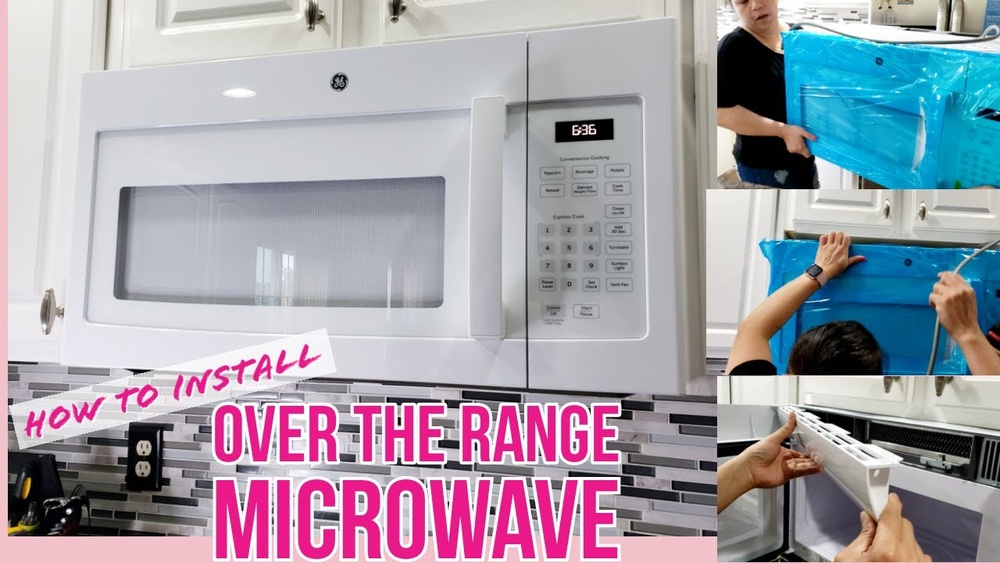
Ready to upgrade your kitchen with a sleek over-the-range GE microwave? Installing it yourself might seem tricky, but with the right steps and a little help, you can do it safely and efficiently.
This guide will walk you through everything—from gathering tools to securing the microwave in place—so you can avoid costly installation fees and get your kitchen looking sharp in no time. Keep reading, and you’ll have your new microwave installed and ready to use before you know it!
Tools And Materials Needed
Gathering the right tools and materials is key to a smooth installation of your GE over-the-range microwave. Proper preparation saves time and reduces frustration. This section covers everything needed to start the job with confidence.
Measuring And Planning
Measure the space above your range carefully. Check the height, width, and depth to ensure the microwave fits perfectly. Locate the studs in the wall for secure mounting. Confirm the electrical outlet position matches the microwave’s power cord. Planning these details avoids common installation mistakes.
Essential Tools
Prepare these basic tools before starting: a drill, screwdriver, tape measure, level, and stud finder. A power drill speeds up the process. A level ensures the microwave sits straight. The stud finder helps locate strong anchor points behind the wall.
Safety Gear
Wear safety glasses to protect your eyes from dust and debris. Use gloves to avoid cuts or scrapes during handling. A dust mask can help if drilling creates airborne particles. Safety gear keeps you protected throughout the project.
Mounting Hardware
Your microwave package includes mounting brackets, screws, and bolts. Use the hardware recommended by GE for a secure fit. Keep all pieces organized and ready for assembly. Extra anchors or screws might be needed for older walls, so check your wall type before starting.
Preparation Steps
Preparing properly is key to a smooth installation of your GE over-the-range microwave. This step ensures safety and prevents damage. Follow these simple preparation steps before starting.
Check Electrical Requirements
Confirm your kitchen has the correct electrical outlet. The microwave needs a grounded 120-volt, 60 Hz, 15- or 20-amp circuit. Check the microwave’s manual for exact specs. Ensure the outlet is within reach of the microwave’s power cord.
Turn Off Power
Switch off power to the microwave’s circuit at the breaker box. This prevents electric shock during installation. Test the outlet with a voltage tester to confirm power is off. Safety first.
Protect Cooktop Surface
Cover your cooktop with a thick towel or drop cloth. This guards against scratches from tools or the microwave itself. It also catches any small debris that may fall during installation. Keep your cooktop safe and clean.
Arrange For Assistance
The microwave is heavy and bulky. Plan to have a helper assist you. Two people can lift, hold, and position the unit safely. This reduces the risk of injury and damage. Teamwork makes installation easier.
Removing The Old Microwave
Removing the old microwave is the first step in installing your new GE over-the-range microwave. This task requires care and attention to safety. The old unit must be disconnected from power and carefully taken down without damaging your kitchen walls or cabinets. Having a helper is important to manage the weight and size of the microwave. Follow the steps below to remove the old microwave safely and efficiently.
Unplug And Unscrew
Start by unplugging the microwave from the power outlet. Never work on the unit while it is still connected to electricity. Locate the screws that hold the microwave to the cabinet and the wall. Use a screwdriver to remove these screws carefully. Keep the screws in a safe place if you plan to reuse them. Make sure all screws are fully removed before moving to the next step.
Support And Remove Unit
Ask your helper to support the microwave’s weight. Hold the microwave firmly on both sides. Slowly slide the unit off the mounting bracket. Be careful not to drop or damage the microwave. Once free, set the old microwave down on a protected surface. Check the area for any remaining mounting hardware. Clean the space to prepare for the new microwave installation.
Installing The Mounting Bracket
Installing the mounting bracket is a crucial step for securing your GE over-the-range microwave. This bracket will hold the microwave safely above your stove. Proper installation ensures stability and safety during use. Follow these simple steps carefully to install the bracket correctly.
Use Template For Marking
Start by removing the mounting template from your microwave’s manual or packaging. Tape the template on the wall where the microwave will hang. Make sure it aligns with the bottom of the cabinet above the stove. Use a pencil to mark all drill holes shown on the template. This helps position the bracket accurately.
Find And Drill Into Studs
Use a stud finder to locate the wall studs behind the marks. Studs provide strong support for the heavy microwave. Mark the stud locations clearly. Drill pilot holes on the marks inside the studs. Avoid drilling into drywall alone as it cannot hold the microwave’s weight. Pilot holes make it easier to insert screws.
Attach And Level Bracket
Lift the mounting bracket and line it up with the pilot holes. Use strong screws to attach the bracket to the studs. Tighten screws until the bracket is secure and cannot move. Use a level to check the bracket’s horizontal alignment. Adjust if needed before fully tightening the screws. A level bracket ensures the microwave will sit straight and safe.
Vent Adjustment
Adjusting the vent is a key step in installing your GE over-the-range microwave. Proper vent setup ensures good airflow and removes cooking smells efficiently. You must decide between venting outside or recirculating air inside. Each option has simple steps to follow for best results.
External Vent Setup
For an external vent setup, connect the microwave vent to your home’s ductwork. Use a vent duct that matches the microwave’s outlet size. Secure the duct with metal tape or clamps to avoid leaks. Check that the duct leads directly outside. Avoid sharp bends that reduce airflow. Seal all connections tightly to keep the vent air flowing properly.
Recirculating Vent Setup
In a recirculating vent setup, air passes through a charcoal filter inside the microwave. The filtered air then returns to the kitchen. Install the charcoal filter according to the manual. Replace the filter regularly for best performance. Make sure the microwave’s vent switch is set for recirculating mode. This setup works well when no external vent is available. It helps remove odors but does not remove heat or moisture.
Hanging The New Microwave
Hanging the new GE over-the-range microwave is a key step for a secure fit and proper function. This process requires careful alignment and steady hands. Take your time to follow each step precisely. Two people make this task easier and safer.
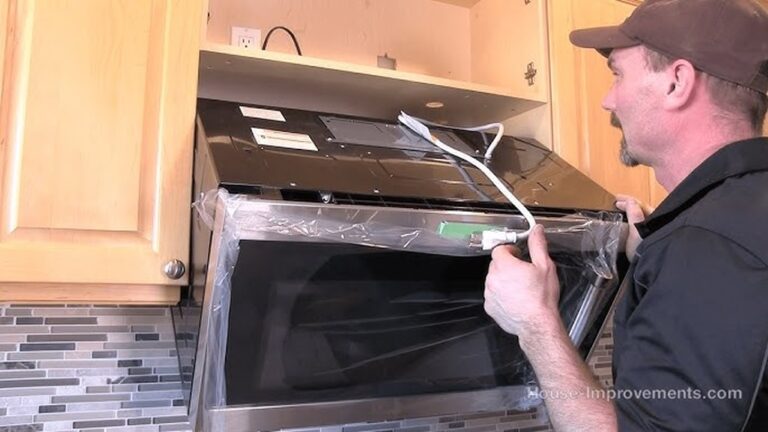
Route Power Cord
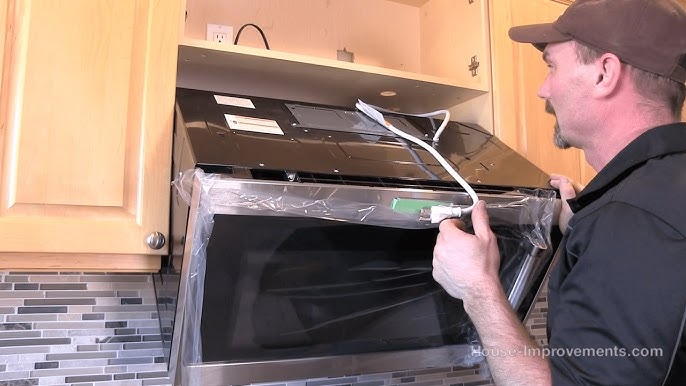
First, locate the power cord on the microwave. Feed the cord through the cabinet hole or power outlet area. Ensure it is not pinched or twisted. This step allows easy access to the power source. Keep the cord clear of sharp edges to avoid damage.
Hook Onto Bracket
Lift the microwave carefully with your helper. Align the microwave’s mounting holes with the wall bracket. Hook the microwave onto the bracket securely. Make sure it rests evenly and does not wobble. This hook holds the weight before you fasten it.
Fill Gaps For Flush Fit
Check for any gaps between the microwave and the wall or cabinet. Use foam strips or shims to fill spaces for a tight fit. This keeps the microwave stable and looks neat. Tighten all screws to secure the microwave firmly in place.
Securing The Microwave
Securing the microwave is a key step in the installation process. It ensures the microwave stays firmly in place. This step prevents accidents and damage to your kitchen. Follow the instructions carefully to secure your GE over-the-range microwave safely.
Screw Into Cabinet
Start by aligning the microwave with the mounting bracket. Use the screws provided by the manufacturer. Drive screws into the cabinet above the microwave. Make sure screws go into solid wood or studs. Tighten screws firmly but do not over-tighten. Over-tightening can damage the cabinet or microwave. This step holds the microwave securely from the top.
Check Stability
After screwing, test the microwave’s stability. Gently shake the unit to see if it moves. The microwave should feel solid and not wobble. Check that it is level and properly aligned. Adjust screws if the microwave feels loose. Proper stability prevents the unit from shifting during use. Always double-check for safety before using your microwave.
Final Testing
Final testing is a critical step after installing your GE over-the-range microwave. It ensures everything works correctly and safely. Skipping this step might cause problems later or damage the appliance.
Careful testing confirms that power, ventilation, and controls function as expected. This process helps catch any installation errors early.
Restore Power
First, turn the power back on at the circuit breaker. Make sure the microwave receives electricity. Check that the display panel lights up immediately. If not, turn off the power and recheck your wiring connections.
After restoring power, watch for any unusual sounds or smells. These could indicate wiring issues or internal faults. Your microwave should remain silent except for normal startup noises.
Run Function Tests
Test the microwave by running several common functions. Start with the basic heating function. Place a microwave-safe cup of water inside and run it for one minute.
Check if the water heats up properly and the microwave operates without error. Next, test the exhaust fan and light. Turn them on separately to ensure they work correctly.
Listen for smooth fan operation and verify the light illuminates clearly. Finally, try all control buttons to confirm responsiveness and correct function. If any issues appear, revisit your installation steps.
Troubleshooting Tips
Installing an over-the-range GE microwave can sometimes lead to small problems. Knowing how to fix these issues helps save time and stress. Use these troubleshooting tips to handle common challenges and ensure a smooth installation.
Common Installation Issues
One frequent problem is misaligned mounting brackets. Make sure the brackets are level and securely fastened to wall studs. Loose screws cause instability and noise during use. Double-check all screws and bolts for tightness.
Another issue is poor electrical connection. Confirm the microwave is plugged into a dedicated outlet that matches its voltage needs. Avoid using extension cords or adapters. Faulty wiring can trip breakers or stop the microwave from powering on.
Sometimes, venting problems occur. Decide if your microwave vents outside or recirculates air through filters. Incorrect vent installation reduces airflow and causes odors. Follow the manufacturer’s venting instructions carefully.
When To Seek Professional Help
Call a professional if you face complex electrical or structural challenges. Handling electrical wiring without experience can be dangerous. A licensed electrician ensures code compliance and safety.
Structural issues like weak walls or missing studs need expert attention. A professional can reinforce the area to support the microwave’s weight. Improper support risks damage or injury.
If troubleshooting steps fail or you feel unsure, hire a technician. They have the tools and knowledge to install your microwave correctly and safely.

Credit: www.cowboymaloneys.com
Credit: www.youtube.com
Frequently Asked Questions
Can I Install An Over The Range Microwave Myself?
Yes, you can install an over-the-range microwave yourself. It requires two people, proper tools, and following the manufacturer’s instructions carefully. Ensure electrical and venting needs match your setup for safety and performance.
Do All Ge Over The Range Microwaves Mount The Same?
Not all GE over-the-range microwaves mount the same. Mounting varies by model and venting options. Always follow the specific installation guide.
Do All Over The Range Microwaves Have The Same Mounting Holes?
No, over-the-range microwaves do not have the same mounting holes. Hole patterns vary by brand and model. Always use the mounting template provided with your microwave for accurate installation.
Conclusion
Installing an over-the-range GE microwave can be straightforward with the right steps. Always use a helper to lift and position the unit safely. Follow the manufacturer’s instructions carefully to ensure proper mounting and vent setup. Double-check electrical connections before turning the power back on.
Taking your time helps avoid mistakes and ensures your microwave works well. Enjoy your newly installed microwave and the extra space it frees up in your kitchen. Simple tools and careful planning make this project manageable for most homeowners.