How to Change Microwave Filter: Easy Steps for Fresh Air
Is your microwave starting to smell funny or the air vent seems less effective? If you’re using an over-the-range microwave, chances are it has filters that need your attention.
Changing your microwave filter might sound tricky, but it’s actually a simple task that can make a big difference. By replacing your grease or charcoal filter regularly, you keep your kitchen smelling fresh and your microwave working efficiently. In this guide, you’ll learn exactly how to identify, remove, and swap out those filters step-by-step—so you can breathe easy and cook without worry.
Ready to refresh your microwave and improve your kitchen’s air quality? Let’s dive in!
Microwave Filters Types
Microwave filters come in grease and charcoal types, each serving a different purpose. Grease filters trap cooking grease and need regular cleaning, while charcoal filters absorb odors and must be replaced. Changing filters involves unplugging the microwave, removing the vent cover, and swapping the old filter with a new one.
Microwave filters play a key role in keeping your kitchen air clean. They trap grease, smoke, and odors created during cooking. Two main types of microwave filters are grease filters and charcoal filters. Each has a specific function and maintenance need. Understanding their roles helps you keep your microwave working well and your kitchen fresh.
Grease Filters Role
Grease filters catch grease and food particles from cooking fumes. They sit underneath the microwave or inside the vent. These filters protect the microwave and prevent grease buildup in your kitchen. Cleaning them often is important to keep them effective. Use hot, soapy water to wash grease filters. For tough grease, add baking soda while cleaning. Replace them if they are cracked or cannot be cleaned.
Charcoal Filters Role
Charcoal filters absorb cooking smells and odors. They work when the microwave recirculates air back into the kitchen. Unlike grease filters, charcoal filters cannot be cleaned. They need to be replaced after a certain time to keep the air fresh. Signs to replace include lingering food smells and reduced airflow. Changing charcoal filters regularly helps maintain good air quality in your kitchen.

Credit: www.youtube.com
Filter Maintenance Tips
Proper filter maintenance keeps your microwave working well and your kitchen air fresh. Filters trap grease, smoke, and odors. Regular care prevents buildup and damage. Clean and replace filters as needed to maintain good airflow and cooking safety.
Cleaning Grease Filters
Grease filters catch oil and food particles during cooking. Clean them every month to avoid clogging. Use hot, soapy water for washing. Add baking soda for tough grease stains. Let the filter soak for 10 minutes. Scrub gently with a soft brush. Rinse thoroughly and dry before reinstalling. Avoid harsh chemicals that can damage the filter. If the filter is cracked or damaged, replace it immediately.
Replacing Charcoal Filters
Charcoal filters absorb odors when the microwave recirculates air. These filters cannot be cleaned. Replace them every 6 to 12 months, depending on usage. Signs to replace include bad smells after cooking and reduced airflow. Turn off and unplug your microwave before replacing. Remove the vent cover to access the charcoal filter. Insert the new filter securely and replace the cover. Regular replacement keeps your kitchen smelling fresh and the microwave efficient.
Signs To Replace Filters
Microwave filters play a key role in keeping your kitchen air fresh and clean. Over time, these filters collect grease, dirt, and odors. Knowing when to replace them helps maintain your microwave’s performance and prevents unpleasant smells. Watch for clear signs that indicate it is time to change the filters.
Visible Damage Or Dirt
Check your microwave filter regularly. Look for tears, cracks, or holes on the filter surface. Dirt and grease buildup make the filter look dark and clogged. A damaged or dirty filter cannot trap particles well. Replace it to keep your microwave working properly.
Lingering Odors
Cooking smells that stay long after use signal a worn-out filter. Charcoal filters absorb odors but lose effectiveness over time. If your kitchen smells like burnt food or spices, the filter may need replacing. Fresh filters help keep the air clean and odor-free.
Reduced Ventilation
Poor airflow from the microwave vent shows the filter is blocked. A clogged filter slows ventilation and causes the microwave to overheat. Notice if the fan sounds louder or the microwave heats unevenly. Changing the filter restores proper air circulation.
Locating Your Filters
Finding the filters in your microwave is the first step to keeping it clean and efficient. Filters trap grease, odors, and particles from cooking. Knowing where they are helps you remove and replace them easily. Filters usually hide in two main spots: under the microwave and inside the vent area. Some microwaves have a charcoal filter, while others use grease filters. This section explains how to locate both types of filters quickly.
Checking Under The Microwave
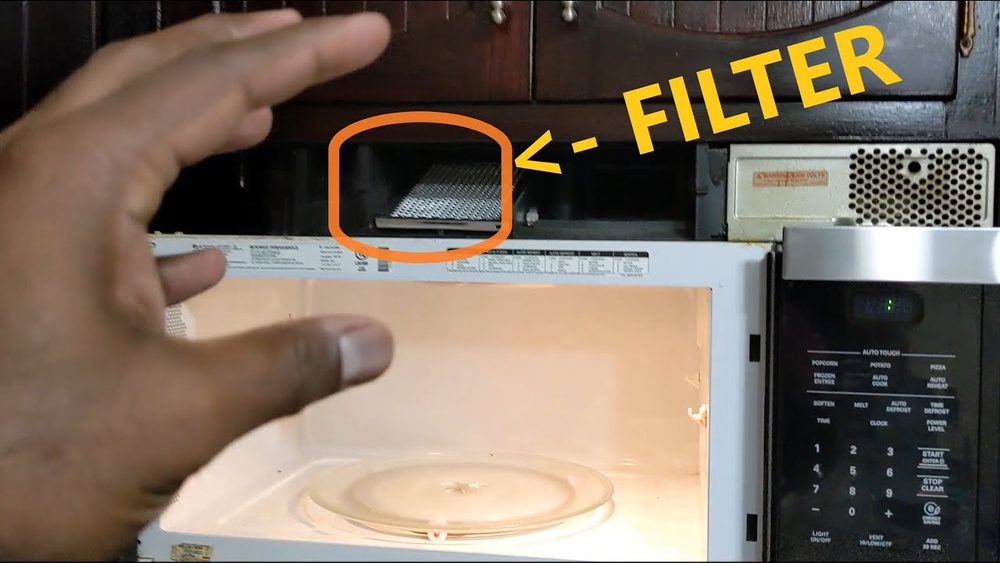
Many microwaves have grease filters located underneath. These filters catch grease and food splatters from cooking. To find them, look at the bottom side of your microwave. Some models have a removable metal panel or grille. This panel often slides or snaps off. Once removed, you will see a flat or mesh filter. This filter can be taken out for cleaning or replacement.
Accessing Charcoal Filter
Charcoal filters sit inside the microwave’s vent system. They help absorb odors and keep the air fresh. To access these filters, open the vent cover on the microwave. This cover is usually on the top or back of the unit. You may need to remove screws or press tabs to open it. Inside, you will find the charcoal filter. It looks like a small rectangular or square pad. Charcoal filters cannot be cleaned and must be replaced when worn out.
Using The User Manual
Your microwave’s user manual is a useful guide for finding filters. It shows exact locations and instructions for your model. Manuals often include pictures or diagrams. These visuals make it easier to spot the filters. If you lost the paper copy, check the manufacturer’s website. You can download a digital version by entering your microwave’s model number. Following the manual ensures you find the right filter type and place.
Step-by-step Filter Replacement
Changing your microwave filter keeps your appliance working well and your kitchen fresh. Follow these simple steps to replace the filter safely and quickly. Each step is clear and easy, even if you do not have much experience. This guide focuses on the most common types of microwave filters, such as grease and charcoal filters.
Unplugging And Removing Cover
First, unplug the microwave from the power source. This step is important for your safety. Next, locate the vent cover or filter cover on your microwave. Use a screwdriver if needed to remove the screws. Carefully take off the cover and set it aside. Keep the screws in a safe place to avoid losing them.
Removing Old Filter
Find the old filter behind the cover. It may slide out or lift out depending on your microwave model. Gently remove the filter to avoid damage. Check if the filter is dirty or damaged. Dispose of the old filter properly. Make sure the area is clean before installing the new filter.
Installing New Filter
Take the new filter out of its packaging. Align it with the slot or holder where the old filter was. Slide or place the new filter securely into position. Do not force it to avoid breaking any parts. Confirm the filter fits firmly and evenly. This ensures the best performance and airflow.
Reassembling And Testing
Put the vent cover back over the filter. Screw the cover securely in place. Plug the microwave back into the power outlet. Turn on the microwave and check for normal operation. Listen for any unusual sounds or vibrations. Your microwave is now ready to use with a fresh filter.

Credit: www.reddit.com
Filter Replacement Frequency
Knowing how often to replace your microwave filters keeps your appliance working well. Filters trap grease and odors, so they need regular care. Replacing or cleaning them on time stops smells and fires. Follow the right schedule for each type of filter. This helps keep your kitchen fresh and safe.
Grease Filter Cleaning Schedule
Grease filters catch oil and food particles from cooking. Clean them every month to avoid buildup. Use hot, soapy water for washing. For tough grease, add some baking soda. Rinse well and dry before putting back. Replace the filter only if it is cracked or damaged. A clean grease filter improves airflow and safety.
Charcoal Filter Replacement Timeline
Charcoal filters absorb cooking odors in microwaves with recirculating vents. These filters cannot be cleaned. Replace them every six months for best results. If you notice strong food smells after cooking, check the filter. Changing the charcoal filter keeps your kitchen smelling fresh. Always use the correct replacement part for your microwave model.
Benefits Of Fresh Filters
Replacing your microwave filter regularly keeps your kitchen environment clean and fresh. Fresh filters capture grease, smoke, and odors effectively. This simple task improves both your microwave’s function and your home’s air quality. Clean filters help your microwave work better and last longer.
Improved Air Quality
Fresh filters trap cooking odors and smoke. They stop these particles from spreading in your kitchen. This reduces bad smells after cooking. Clean filters help keep the air fresh and healthy. This is especially important in small or closed kitchens. Good air quality means a more comfortable cooking space.
Better Microwave Performance
Clean filters allow air to flow smoothly. This helps the microwave cool down properly during use. When filters are dirty, airflow is blocked. This can cause the microwave to overheat or work harder. Replacing filters keeps your microwave running efficiently. It also prevents damage and extends the appliance’s life.
:max_bytes(150000):strip_icc()/ar-change-microwave-filter-4x3-a943fd35376d4f5a8fb76e8d643aeb66.jpg)
Credit: www.allrecipes.com
Frequently Asked Questions
Do Microwave Filters Need To Be Changed?
Yes, microwave filters need regular maintenance. Clean grease filters monthly and replace charcoal filters every six months or if dirty. Replace damaged or clogged filters to ensure proper ventilation and odor control.
Does My Microwave Have A Filter?
Over-the-range microwaves have filters, including a washable grease filter and a replaceable charcoal filter. Countertop models usually don’t have filters.
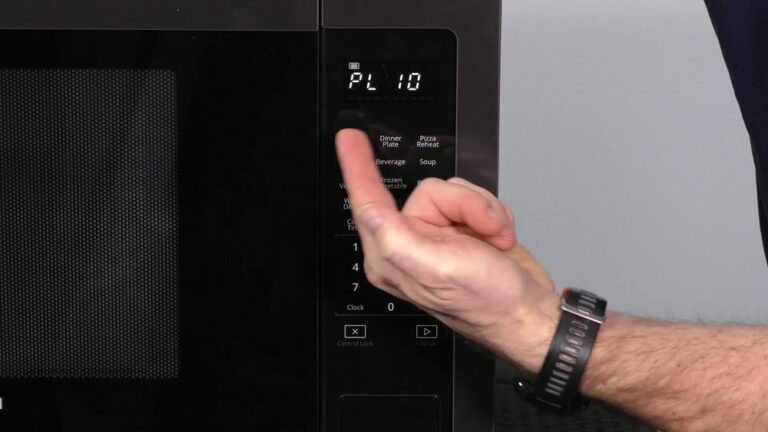
Why Does My Microwave Say Change Filter?
Your microwave says “change filter” to alert you that the charcoal or grease filter needs replacement or cleaning. This keeps odors and smoke away.
Conclusion
Changing your microwave filter keeps your kitchen fresh and safe. Clean grease filters every month to remove buildup. Replace charcoal filters when cooking smells linger after use. Always unplug your microwave before starting the replacement. Follow simple steps: remove the vent cover, swap the filter, then reattach the cover.
Regular maintenance helps your microwave work efficiently. Small efforts prevent bad odors and improve air flow. Keep your cooking space clean and comfortable with fresh filters.