How Do You Clean a Microwave With Lemons: Easy & Natural Tips
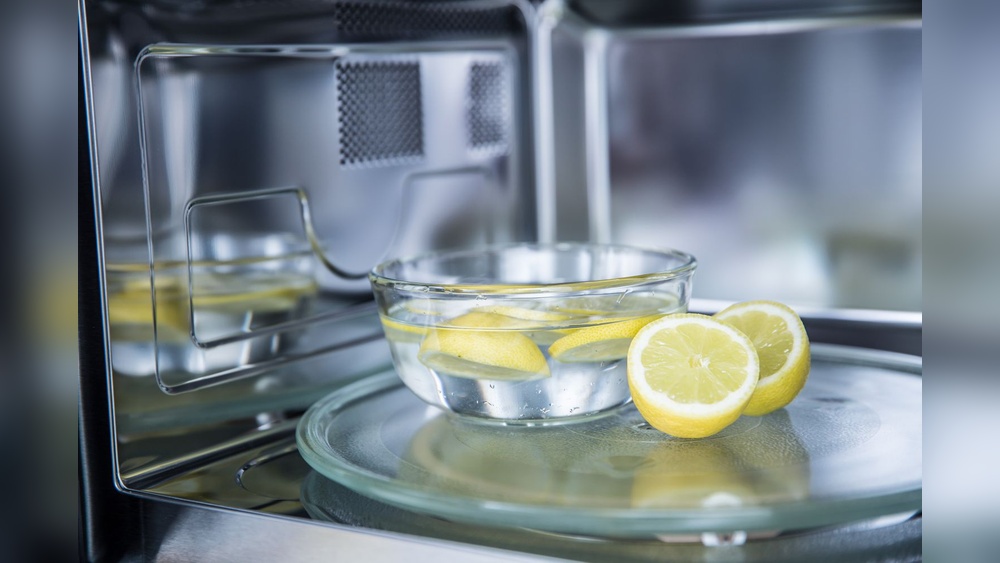
Is your microwave looking grimy or smelling less than fresh? You might think cleaning it is a hassle, but what if you could do it easily using something as simple as lemons?
Yes, lemons! Their natural acidity and fresh scent make them perfect for cutting through tough stains and banishing odors inside your microwave. You’ll discover a quick, safe, and effective way to clean your microwave using lemon water—no harsh chemicals needed.
Ready to transform your microwave cleaning routine and enjoy that fresh lemony glow? Keep reading to find out exactly how to do it step by step!
Credit: www.homesandgardens.com
Benefits Of Lemon For Microwave Cleaning
Lemon is a simple and effective tool for cleaning microwaves. It offers natural ways to remove dirt and smells. Using lemon avoids harsh chemicals and keeps your microwave fresh and safe.
Its natural properties help break down grease, fight bacteria, and remove bad odors. These benefits make lemon a great choice for microwave cleaning. Here are some key advantages of using lemon in your microwave cleaning routine.
Natural Degreaser
Lemon juice contains natural acids that cut through grease and grime. It loosens tough food stains inside the microwave. Heating lemon water creates steam that softens stuck-on messes. This makes wiping the microwave quick and easy.
Odor Removal
Lemon has a fresh, clean scent that replaces bad smells. Microwaves often hold odors from food spills. Lemon steam neutralizes these smells without leaving a strong chemical scent. Your microwave will smell fresh and inviting after cleaning.
Antibacterial Properties
Lemon has natural antibacterial effects that help kill germs. This reduces bacteria growth inside the microwave. Cleaning with lemon lowers the chance of bacteria spreading to your food. It keeps your microwave more hygienic and safer to use.
Credit: www.clean4real.com
Materials Needed
Before you start cleaning your microwave with lemons, gather a few simple materials. These items make the process quick and effective. Each one plays a key role in removing grime and odors naturally.
Keep these materials ready for a smooth and easy cleaning experience. The ingredients are common and easy to find in most kitchens.
Microwave-safe Bowl
Choose a bowl that can safely go inside the microwave. It holds the lemon water mixture during heating. Glass or ceramic bowls work best. Avoid plastic bowls that are not microwave-safe.
Fresh Lemon
Use a fresh lemon for natural cleaning power. Lemons contain citric acid that breaks down grease and stains. Cut the lemon in half to release more juice and aroma.
Clean Cloth Or Sponge
Have a clean cloth or sponge ready for wiping. Use it to remove loosened dirt after steaming. A soft cloth or non-abrasive sponge works well. Avoid harsh scrubbers that may damage the microwave’s surface.
Preparing The Lemon Cleaning Solution
Preparing the lemon cleaning solution is the first step to a sparkling microwave. This natural method uses lemon’s fresh scent and natural acids. These acids help loosen grime and kill odors inside your microwave. The process starts with cutting the lemon and adding water. This simple mix creates steam that softens stains and makes cleaning easy.
Cutting The Lemon
Start by selecting a fresh lemon. Wash it to remove any dirt or pesticides. Cut the lemon in half using a sharp knife. If your lemon is large, cut it into quarters. This helps release more juice and essential oils during cleaning. Make sure to handle the knife carefully for safety.
Adding Water
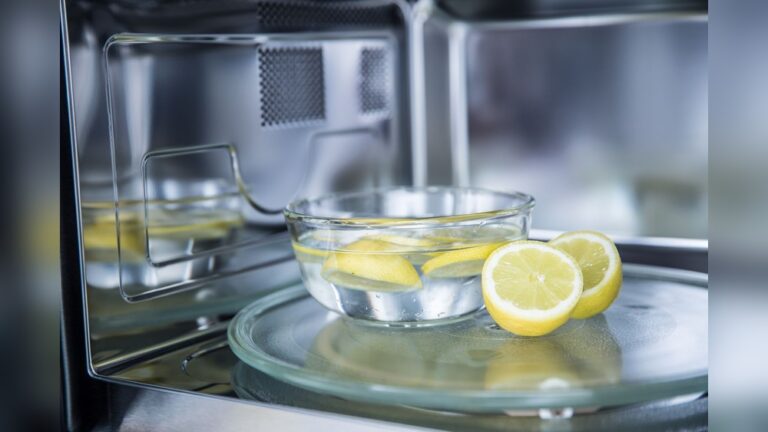
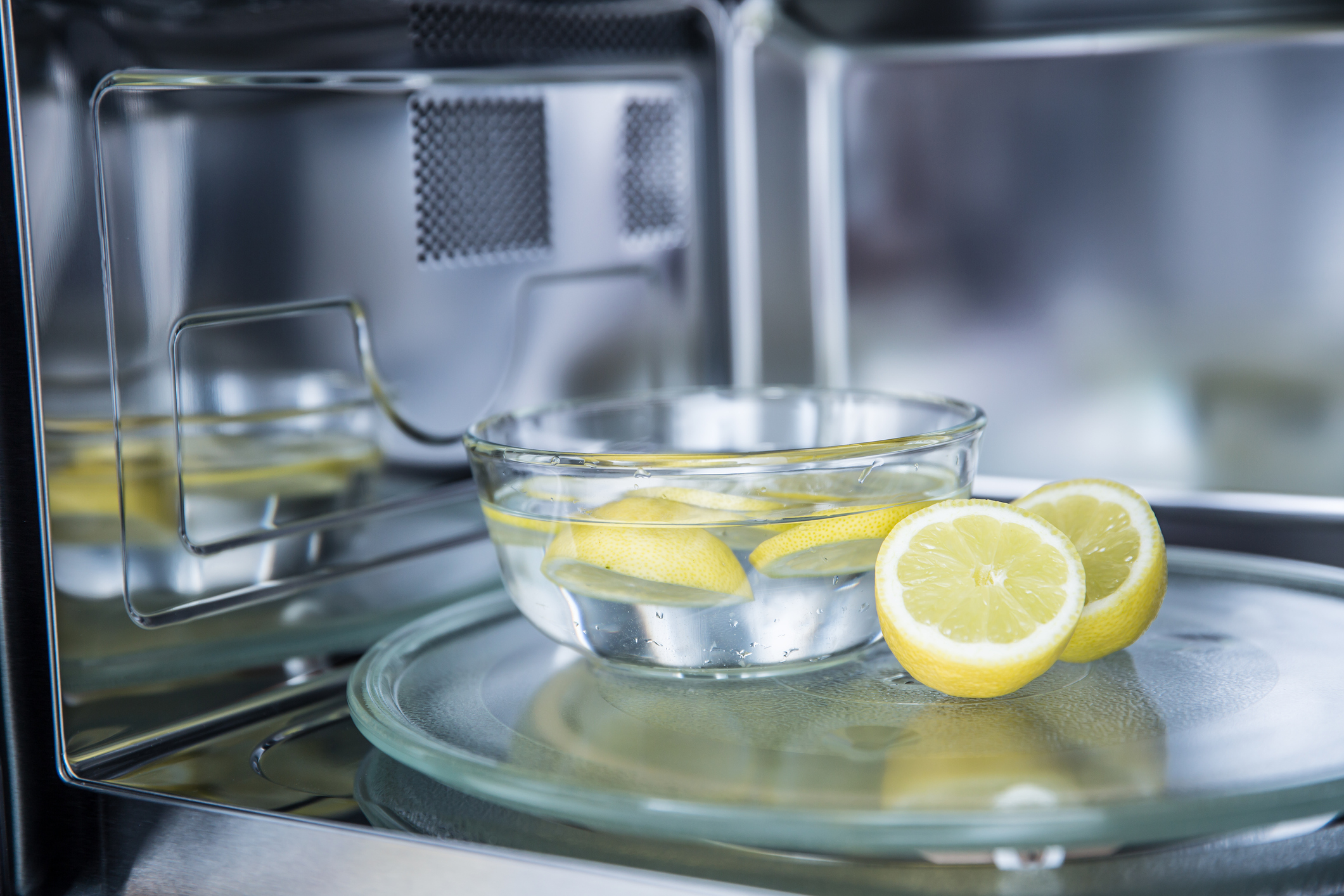
Next, place the lemon pieces in a microwave-safe bowl. Add about one cup of water to the bowl. The water level should cover the lemon slices partly. This water will create steam when heated. The steam carries lemon’s cleaning power inside the microwave. The bowl must be safe for microwave use to avoid damage or accidents.
Microwave Cleaning Process
Cleaning your microwave with lemons is simple and effective. The process uses natural lemon juice and steam to loosen food stains. This makes wiping the interior quick and easy. Follow these steps carefully for best results.
Heating The Solution
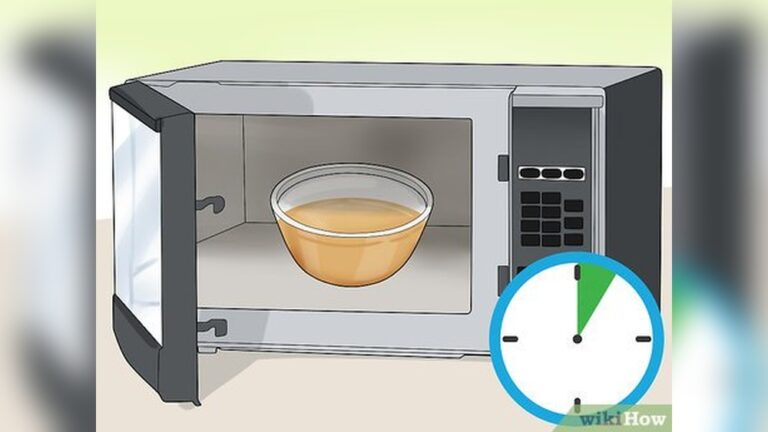
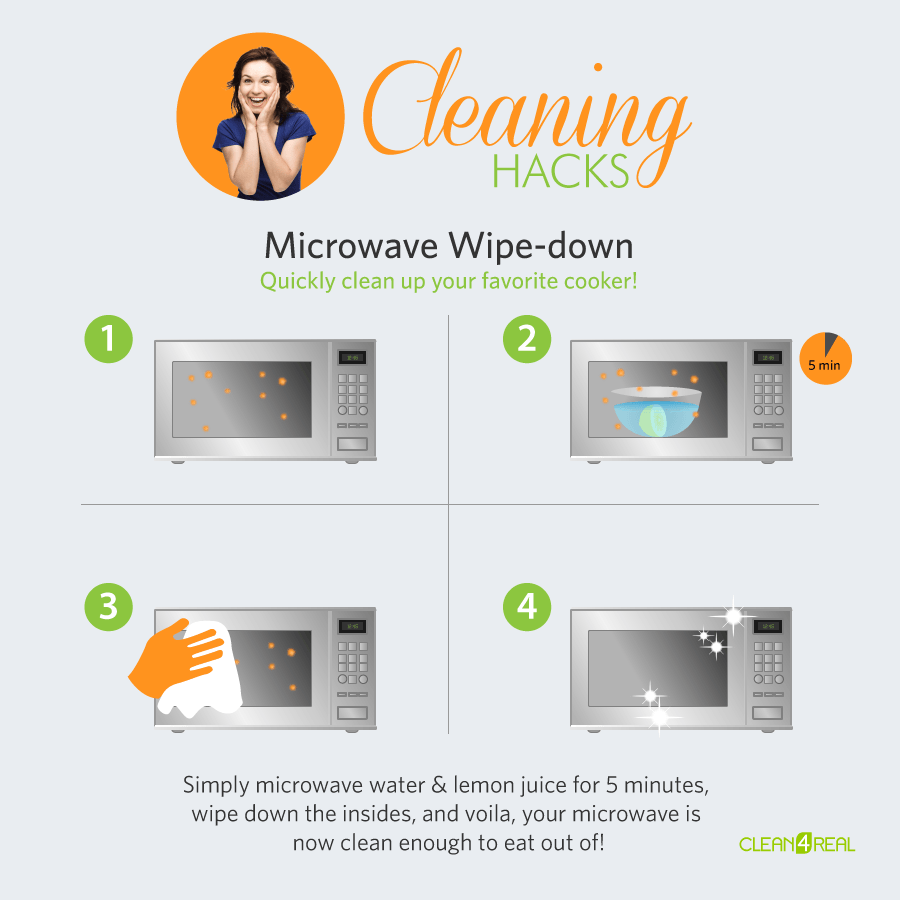
Cut one lemon in half and squeeze the juice into a microwave-safe bowl. Add about one cup of water to the bowl. Place the bowl inside the microwave. Heat it on high for about five minutes. The water should boil and mix with the lemon juice.
Steaming The Interior
After heating, leave the bowl inside for two more minutes. The steam will soften dried food and stains on the microwave walls. Steam also helps kill odors and germs inside. Keep the microwave door closed during this time for best effect.
Wiping Down Surfaces
Carefully remove the hot bowl using a towel. Take a clean cloth or sponge and dip it in the lemon water. Wipe all the inside surfaces of the microwave. The grime and stains will come off easily. For stubborn spots, rub gently with the lemon water cloth.
Tackling Stubborn Stains
Stubborn stains in your microwave can be tough to remove with just a wipe. Lemon’s natural acidity helps break down dried food and grease. Using lemon water softens these tough spots, making cleaning easier and faster.
Using Leftover Lemon Water
After steaming lemon water inside the microwave, keep the liquid warm. Dip a clean cloth or sponge into this leftover lemon water. Gently rub the stained areas with the cloth. The lemon solution loosens grime and kills odors. Repeat as needed until stains fade away.
Scrubbing Techniques
Use a soft sponge or cloth to avoid scratching the microwave’s surface. For tougher stains, sprinkle a little baking soda on the sponge. The mild abrasive helps scrub off residue without damage. Work in small circles and apply gentle pressure. Rinse the cloth often to remove loosened dirt. Finish by wiping the entire area with plain water to remove lemon and baking soda traces.
Cleaning The Microwave Exterior
Cleaning the microwave exterior is just as important as cleaning the inside. Grease, fingerprints, and food splatters can build up on the outside. Using lemon to clean the exterior is a natural and fresh way to remove grime. It also leaves a nice citrus scent. Follow these simple steps to make your microwave look fresh and clean.
Wiping With Lemon Solution
Start by mixing lemon juice with water in a spray bottle. Spray the solution on the microwave’s surface. Use a soft cloth or sponge to wipe down the door, sides, and control panel. The lemon solution cuts through grease and dirt easily. Avoid harsh scrubbing to protect the microwave’s finish. Repeat if needed for stubborn spots.
Drying Tips
After wiping, use a dry cloth to remove any moisture. This prevents streaks and water spots. Make sure to dry around buttons and edges carefully. Let the microwave air dry for a few minutes. This helps avoid any leftover dampness that can attract dust. Your microwave exterior will shine clean and fresh.
Additional Lemon Cleaning Hacks
Lemons offer more than just a natural way to clean microwaves. Their fresh scent and acidic nature make them perfect for various household cleaning tasks. Using lemons can reduce harsh chemicals in your home. Below are some simple lemon cleaning hacks that save time and effort.
Deodorizing Cutting Boards
Cutting boards often hold strong odors from garlic or fish. Rub half a lemon over the board’s surface. Let it sit for a few minutes to absorb smells. Rinse with warm water and dry. This refreshes your cutting board naturally and safely.
Descaling Kettles
Limescale builds up inside kettles from hard water. Cut a lemon into slices and place them inside the kettle. Fill with water and boil. Let the lemon water sit for an hour before emptying. Rinse well to remove residue. Your kettle will look cleaner and work better.
Making All-purpose Cleaners
Combine lemon juice with water and a bit of vinegar to create a simple cleaner. Pour the mix into a spray bottle. Use it to wipe counters, sinks, and appliances. This natural cleaner kills germs and leaves a fresh scent. Keep it handy for quick cleanups.
Safety Tips And Precautions
Cleaning a microwave with lemons is simple and natural. Yet, safety is key during the process. Pay attention to handling hot items and protecting your microwave. These tips help you clean safely and avoid damage.
Handling Hot Bowls
After microwaving lemon water, the bowl will be very hot. Always use oven mitts or a thick towel to remove it. Avoid touching the bowl with bare hands to prevent burns. Place the hot bowl on a heat-safe surface. Let it cool before washing to avoid cracking.
Avoiding Microwave Damage
Use only microwave-safe bowls for heating lemon water. Avoid metal or non-microwave-safe containers. Do not overheat water; steam cleans better and is safer. Keep the microwave interior free from metal objects. Wipe spills immediately to prevent stains and odors. Regular cleaning keeps the microwave working well and extends its life.
Credit: www.thekitchn.com
Frequently Asked Questions
What Is The Best Way To Clean A Microwave With Lemon?
Cut a lemon in half and squeeze juice into a microwave-safe bowl with water. Microwave until steaming. Wipe interior with a cloth using the lemon water to remove grime and odors effectively.
What Is The Fastest Way To Clean The Inside Of A Microwave?
Place a lemon slice in a microwave-safe bowl with water. Microwave for 3-5 minutes. Let steam loosen grime. Wipe the interior with a cloth. Repeat for tough spots.
Does Cleaning A Microwave With Lemon Remove Odors?
Yes, cleaning a microwave with lemon removes odors effectively. Lemon’s natural acidity and fresh scent neutralize bad smells. Steaming lemon water also loosens grime, making cleaning easier and leaving the microwave smelling fresh.
Conclusion
Cleaning your microwave with lemons is simple and natural. The lemon’s steam loosens grime and kills odors fast. Just heat lemon water inside, then wipe with a cloth. This method saves time and avoids harsh chemicals. Your microwave will smell fresh and look clean.
Try this easy trick for a sparkling kitchen appliance. You’ll enjoy the fresh scent and easy cleanup every time.