How to Clean a Microwave Filter: Easy Steps for Sparkling Results
Is your microwave not working as efficiently as it used to? The culprit might be your microwave filter.
Over time, grease, food particles, and dust build up on this small but essential part, affecting your microwave’s performance and even the air quality in your kitchen. Cleaning your microwave filter is easier than you think, and doing it regularly can save you money and keep your cooking space fresh.
You’ll discover simple, step-by-step tips to clean your microwave filter quickly and effectively. Ready to make your microwave work like new again? Let’s dive in!
Microwave Filters Types
Microwave filters help keep your kitchen air clean while cooking. They capture grease, smoke, and odors. Knowing the type of filter in your microwave makes cleaning easier. Different filters need different care. Understanding these types can save time and keep your microwave working well.
Grease Filters
Grease filters trap oil and grease from cooking. They are usually metal or mesh screens. These filters stop grease from building up inside the microwave. You can remove grease filters and wash them with warm, soapy water. Some are dishwasher safe. Clean grease filters regularly to keep air flowing well.
Charcoal Filters
Charcoal filters remove odors and smoke from the air. They are made of activated carbon. Charcoal filters cannot be washed like grease filters. Instead, replace them every few months. These filters help keep your kitchen smelling fresh. Check your microwave guide to find the right replacement filter.
Countertop Vs Over-the-range Microwaves
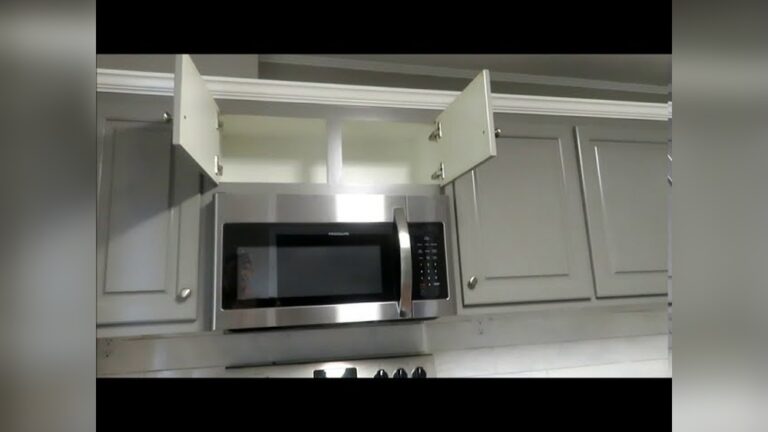
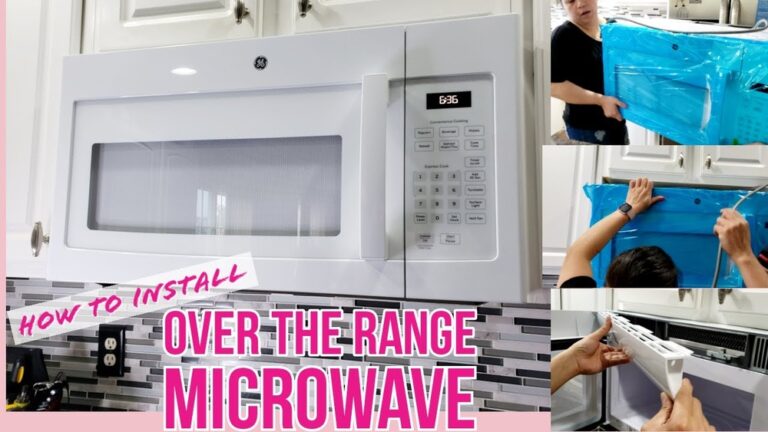
Countertop microwaves usually do not have filters. They vent air outside or back into the room without special filters. Over-the-range microwaves have built-in fans and filters. These filters clean the air above your stove. Knowing your microwave type helps you find and clean the filters properly.
:max_bytes(150000):strip_icc()/SPR-how-to-how-to-clean-a-microwave-filter-7565609-hero-01-de0ebc1318074aa2a919d63651e222c4.jpg)
Credit: www.thespruce.com
Locating Microwave Filters
Finding the microwave filter is the first step in cleaning it properly. Filters trap grease and odors during cooking. These filters are common in over-the-range microwaves that vent air back into the kitchen. Knowing where filters sit helps you remove and clean them safely.
Filter Placement In Over-the-range Models
Most over-the-range microwaves have filters located under the unit. They cover the vent area where air passes through. Usually, you will see a metal or plastic grille. Behind this grille, the filters sit. They can be grease filters made of metal mesh or charcoal filters for odor control. Some models have one filter, others have two side by side.
How To Access Filters Safely
Turn off the microwave and unplug it before starting. This prevents electrical hazards. Look for clips or tabs holding the grille in place. Gently press or slide these to remove the cover. The filters will be visible and easy to reach. Avoid using sharp tools that may damage the microwave. Handle filters carefully; some are fragile or have sharp edges.
Tools And Supplies Needed
Removing the microwave filter is the first step in cleaning it effectively. The filter traps grease and odors, so taking it out carefully ensures a thorough clean. This process varies by microwave model but follows similar basic steps.
Handle the filter gently to avoid damage. Keep track of any clips or screws that hold the filter in place. Proper removal helps maintain your microwave’s efficiency and longevity.
Step-by-step Removal Process
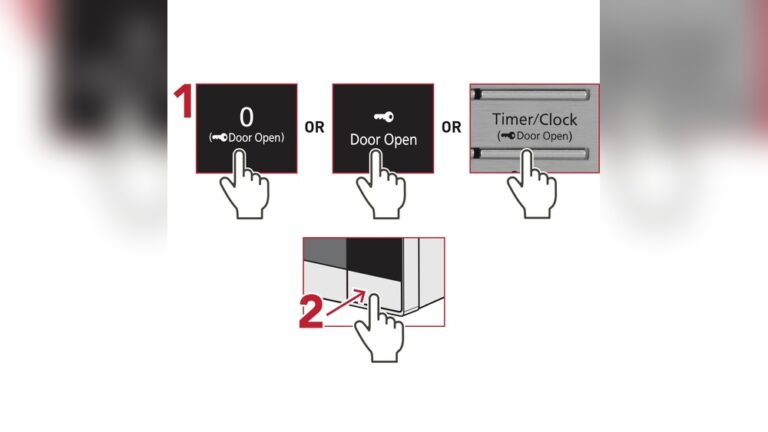
First, unplug the microwave to ensure safety. Open the microwave door fully to access the filter area.
Locate the filter, usually behind a grille or panel under the microwave. Check for clips, tabs, or screws holding the filter.
Press or slide the clips gently to release the filter. If screws secure the filter, use a screwdriver to remove them.
Carefully pull the filter out without bending or breaking it. Place it on a clean surface for washing.
Precautions To Take
Always unplug the microwave before starting. Avoid forcing the filter out; this can cause damage.
Note the filter’s orientation for easy reinstallation. Handle the filter with clean hands to avoid adding dirt.
If the filter is greasy, wear gloves to protect your skin. Keep small parts like screws in a safe place.
Do not use sharp objects to pry the filter loose. Check your microwave manual for specific removal instructions.
:strip_icc()/BHG-How-to-Clean-a-Microwave-Filter-and-Exterior-Step-02-8cd0ec4e83d54dc3948c145998a304d1.jpg)
Credit: www.bhg.com
Removing Filters
Proper maintenance keeps your microwave filter working well. Clean filters improve air quality and cooking safety. Regular care extends the life of your appliance. Follow these simple tips to maintain your microwave filter effectively.
Cleaning Frequency Recommendations
Clean the microwave filter every one to three months. For heavy cooking, clean it monthly. Light use allows cleaning every three months. Regular cleaning removes grease and odors. It prevents buildup that can block airflow. Check the filter often for dirt and dust. Wipe or wash it gently according to the manual. Clean filters keep your kitchen fresh and safe.
Signs Filters Need Replacement
Replace the filter if it looks damaged or worn out. A dark, greasy filter that won’t clean well needs changing. If your microwave smells bad after cleaning, change the filter. Filters that tear or break reduce air quality. Poor air circulation is a sign of filter failure. Check the filter’s condition after cleaning. Replace filters every six to twelve months for best results.
:max_bytes(150000):strip_icc()/SPR-how-to-how-to-clean-a-microwave-filter-7565609-step-05-34e2ebc12910401f93587af4b492a014.jpg)
Credit: www.thespruce.com
Frequently Asked Questions
What Is The Best Way To Clean Microwave Filters?
Soak microwave filters in hot, soapy water with baking soda for 15-30 minutes. Scrub gently, rinse, dry, and reattach. Repeat if needed.
Can You Wash And Reuse Microwave Filters?
Yes, you can wash and reuse microwave grease filters. Soak them in hot, soapy water, scrub gently, dry completely, then reinstall. Replace charcoal filters as directed.
Do All Microwaves Have Filters That Need To Be Cleaned?
Not all microwaves have filters that need cleaning. Only over-the-range microwaves with air recirculation fans contain cleanable filters. Countertop microwaves usually lack filters.
Conclusion
Cleaning your microwave filter keeps your kitchen fresh and safe. Regular care stops grease build-up and bad smells. Use mild soap and warm water for best results. Dry the filter completely before putting it back. Clean filters help your microwave work better and last longer.
Small efforts lead to a cleaner, healthier cooking space. Remember, a clean filter means better air and less smoke. Keep this simple routine to enjoy a fresh kitchen every day.