How Does Microwave Convection Work: Unlocking Kitchen Efficiency
Have you ever wondered how your convection microwave heats food so evenly and quickly? Understanding how microwave convection works can change the way you cook and help you get the best results every time.
Whether you’re reheating leftovers, baking a cake, or roasting a chicken, knowing the science behind this appliance puts you in control. You’ll discover how microwave convection combines two powerful cooking methods to save you time and deliver delicious meals. Stick with me, and you’ll learn simple tips to make your convection microwave work perfectly for your kitchen needs.
Credit: www.katom.com
Microwave Convection Basics
Understanding the basics of microwave convection helps in using this appliance better. It blends two cooking methods to save time and improve food texture. This section explains how microwave heating and convection work. Then, it shows why combining these methods makes cooking efficient and tasty.
How Microwave Heating Works
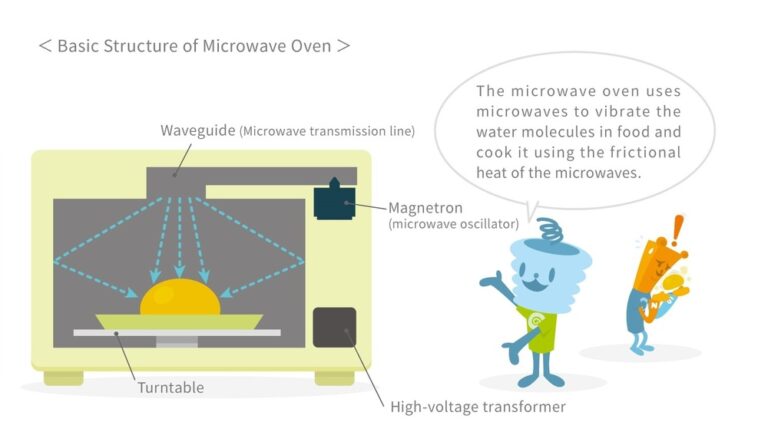
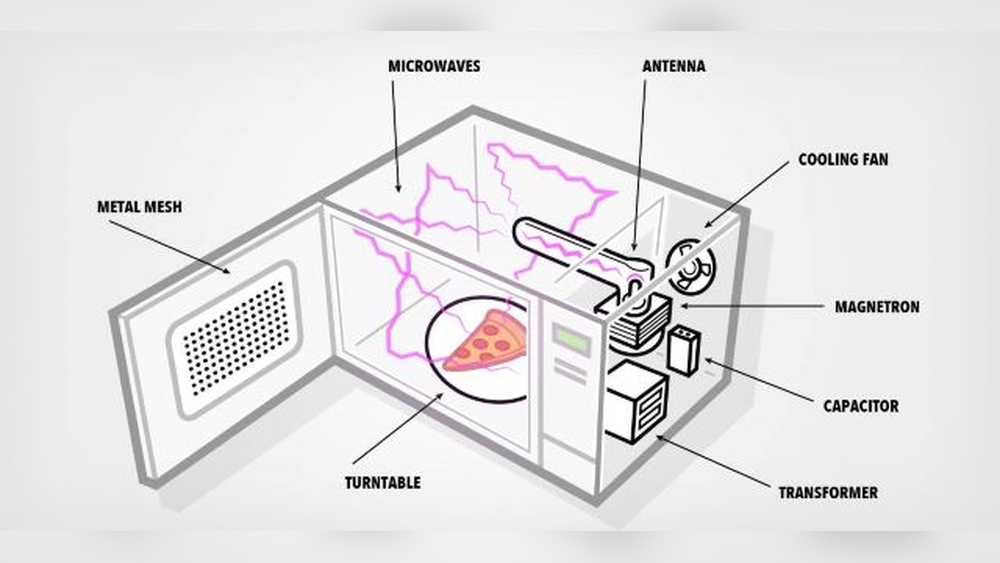
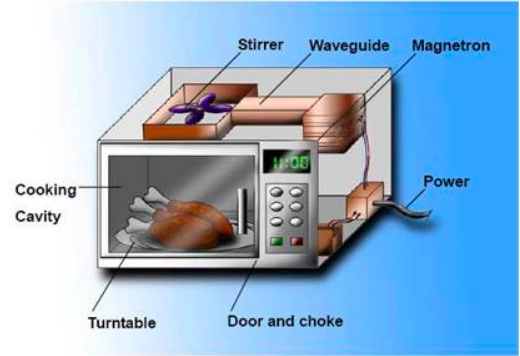
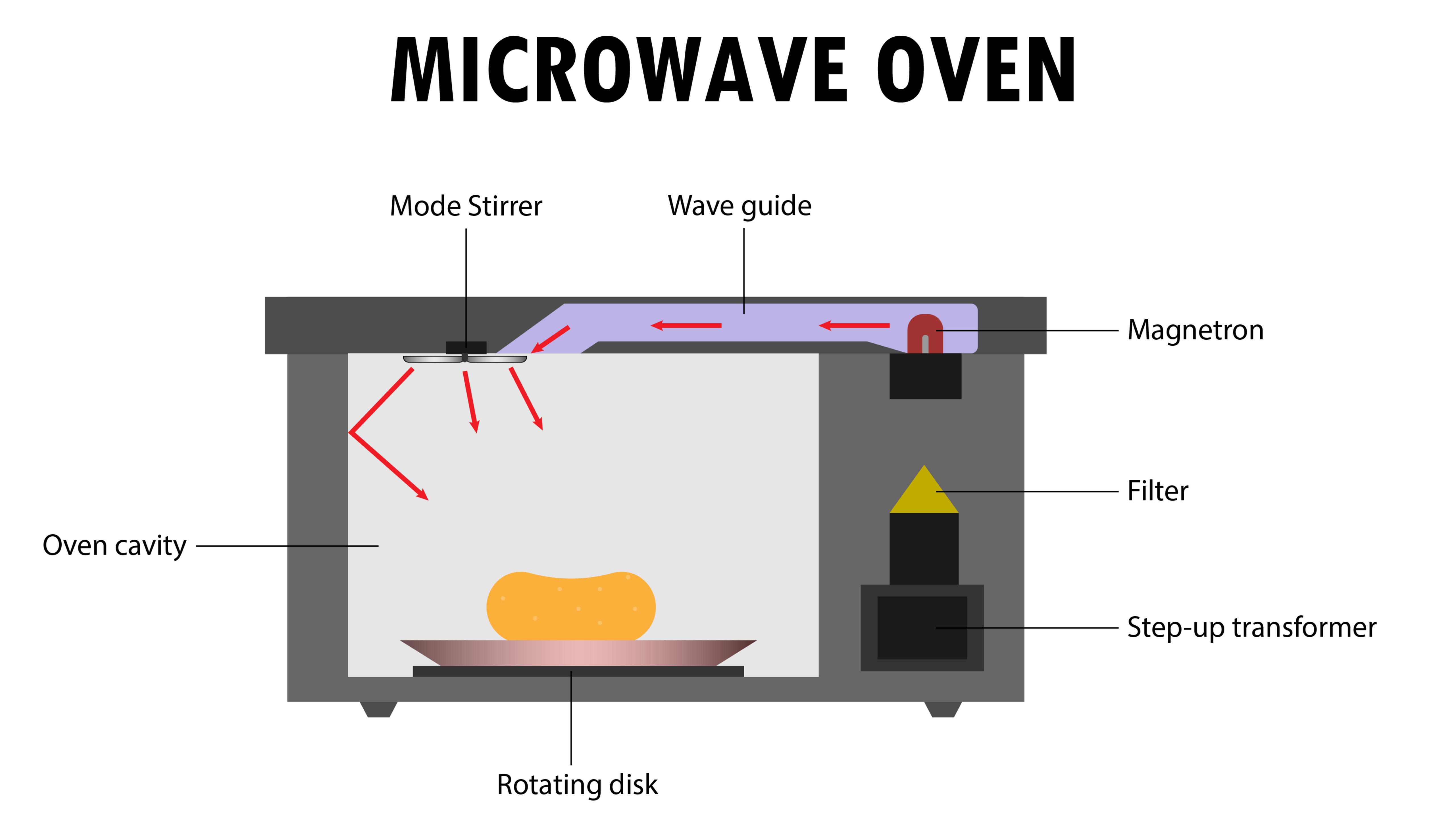
Microwaves use electromagnetic waves to heat food quickly. These waves make water molecules in food vibrate fast. The vibration creates heat inside the food. This heat cooks food from the inside out. Microwave heating is fast but may cook unevenly. It works best for reheating and softening food.
Role Of Convection In Cooking
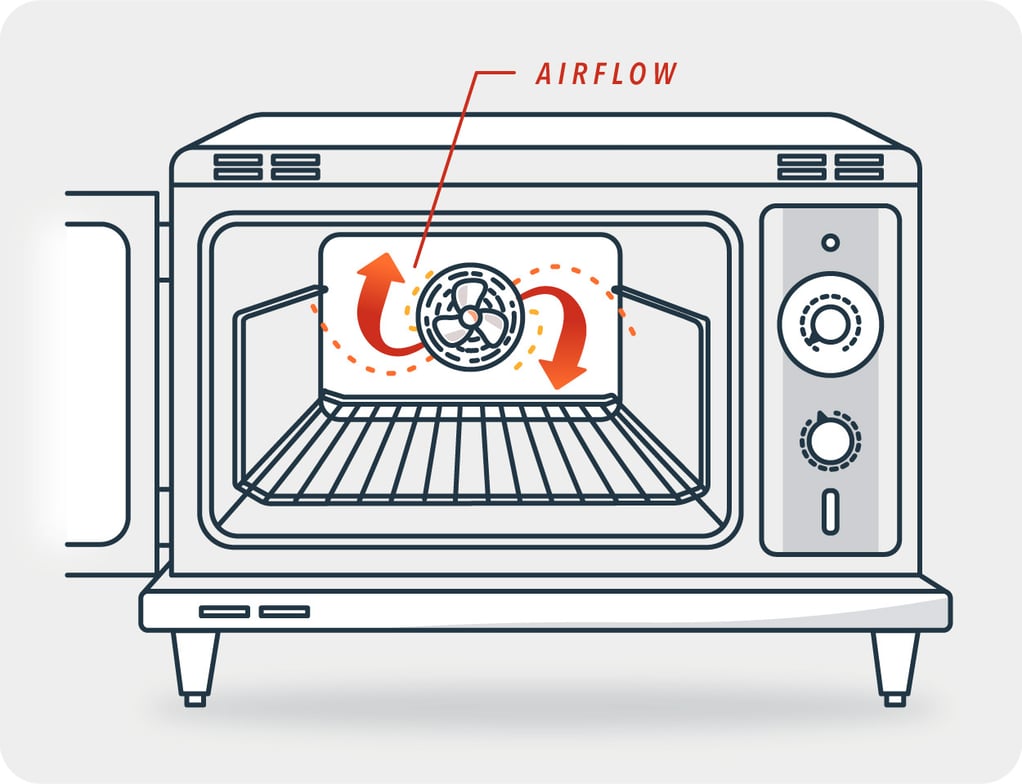
Convection uses a fan to circulate hot air around the food. This hot air cooks food evenly on all sides. It helps create a crispy outside and juicy inside. Convection cooking is slower than microwave heating but gives better texture. It works well for baking, roasting, and browning food.
Combining Microwave And Convection
Microwave convection ovens use both heating types together. Microwaves cook food quickly, while convection adds even heat and crispness. This combination reduces cooking time and improves results. Food cooks faster and gets a golden brown finish. This method is great for baking, roasting, and grilling.
Key Components
Cooking efficiency in microwave convection ovens improves how food cooks. It saves time, energy, and produces better results. This efficiency comes from combining microwave energy with convection heating. The result is faster cooking and even heat distribution. Energy use also reduces compared to conventional ovens.
Faster Cooking Times
Microwave convection ovens cook food faster than regular ovens. Microwaves heat food quickly from inside. The convection fan circulates hot air around the food. This combination speeds up the cooking process. Meals finish faster, saving time in busy kitchens.
Even Heat Distribution
The convection fan spreads heat evenly inside the oven. This prevents cold spots and hot spots. Food cooks uniformly, avoiding overcooked edges or raw centers. Even heat helps bake, roast, and grill with consistent results. It improves texture and taste in every dish.
Energy Savings
Microwave convection ovens use less energy than traditional ovens. Faster cooking means the oven runs for a shorter time. The combination of microwave and convection uses power efficiently. Lower energy use reduces electricity bills. Cooking becomes more eco-friendly and cost-effective.
Cooking Efficiency
Microwave convection ovens combine microwave energy with hot air circulation. This blend creates a versatile cooking environment. It allows you to cook faster than traditional ovens. The technology suits many kitchen tasks. Understanding common uses helps you get the most from your appliance.
Baking Cakes And Pastries
Convection microwaves heat evenly, which is key for baking. Cakes rise well and get a golden crust. Pastries turn flaky and crisp. The hot air circulates around the food, preventing sogginess. Baking times are shorter than in regular ovens. It is perfect for quick baking needs.
Roasting Meats
Roasting in a convection microwave gives meats a nice brown color. The hot air cooks the meat evenly. It locks in juices for tender results. You can roast chicken, beef, or pork without long wait times. The microwave function speeds up cooking without drying out the meat.
Reheating And Defrosting
Reheating food in a convection microwave keeps it moist and tasty. The convection setting avoids cold spots common in regular microwaves. Defrosting is faster and more even. It helps prepare frozen meals quickly for cooking or eating. This saves time and reduces food waste.
Common Uses
Microwave convection ovens combine microwave energy with hot air circulation. This blend cooks food faster and more evenly. Despite many benefits, these ovens have some limitations. Understanding these helps you decide if one fits your kitchen needs.
Smaller Capacity Issues
Convection microwaves usually have smaller interiors than regular ovens. This limits the size of dishes you can cook. Large meals or big roasts may not fit comfortably. This makes them less ideal for big families or gatherings.
Texture Differences
These ovens use both microwaves and convection heat, which can affect food texture. Baked goods may not have the same crispness as those from traditional ovens. Pizza crusts and crispy items might turn out softer. This can be disappointing for those expecting classic oven results.
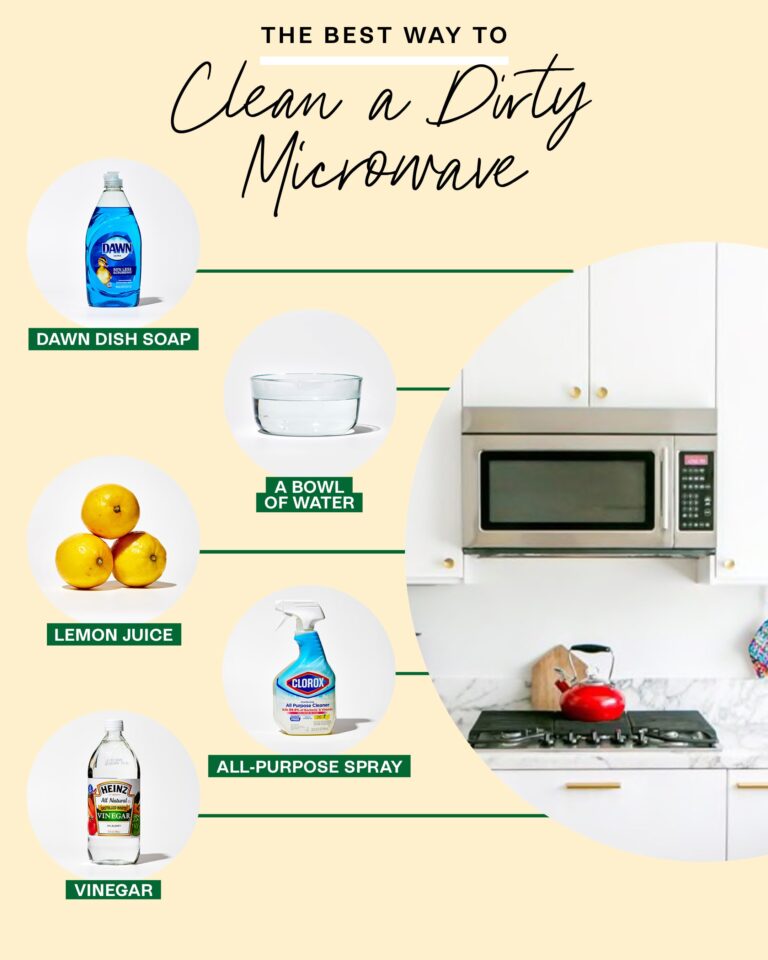
Cleaning Challenges
Cleaning convection microwaves can be tricky. The combination of microwave and convection parts attracts grease and crumbs. Food particles may get trapped in hard-to-reach spots. Regular, thorough cleaning is necessary to keep the oven working well.
Higher Cost Considerations
Convection microwaves usually cost more than standard microwaves. The added technology and features increase the price. For some, this higher cost may not justify the benefits. Budget-conscious buyers might prefer simpler models.
Advantages
To achieve the best results with a microwave convection oven, you need to apply a few practical tips. These tips help improve cooking performance and food texture. Small changes in how you use the oven can make a big difference in your meals.
Proper techniques also extend the life of your microwave convection oven. Follow these guidelines to cook evenly and enjoy crisp, tasty dishes every time.
Using Crisp Plates
Crisp plates help create a crunchy, golden finish on your food. They absorb microwave energy and get very hot. This heat crisps the bottom of foods like pizza or fries. Always place the crisp plate in the oven before cooking. Avoid using plastic or paper on the crisp plate to prevent melting or fire.
Proper Food Placement
Place food in the center of the turntable for even cooking. Keep enough space between items to allow hot air to circulate. Avoid overcrowding the oven as it blocks heat flow. For best results, use the rack if your microwave has one. It lifts food closer to the heating element for better browning.
Choosing Suitable Cookware
Use cookware labeled microwave-safe and oven-safe for convection cooking. Glass, ceramic, and metal pans work well. Avoid plastic containers unless marked safe for convection use. Thin metal trays or pans help heat food faster and brown better. Always check cookware size fits your oven cavity without blocking airflow.
Credit: technofaq.org
Limitations
Understanding how a convection microwave compares to other kitchen appliances helps you choose the best option. Each device has unique features and uses. This section breaks down key differences in simple terms. You will see how convection microwaves stand next to traditional ovens, air fryers, and inverter microwaves.
Convection Microwave Vs Traditional Oven
Convection microwaves cook faster by combining microwave and hot air. Traditional ovens use only hot air for cooking. This means convection microwaves save time and energy. Traditional ovens have more space, ideal for large meals. Convection microwaves are smaller, better for quick cooking and baking. The texture can differ; ovens give better browning and crispiness. Convection microwaves may not fully match this, especially for baked goods.
Convection Microwave Vs Air Fryer
Both appliances use hot air to cook food evenly. Air fryers focus on creating crispy textures with little oil. Convection microwaves offer more cooking options, including microwaving and baking. Air fryers often cook smaller portions faster. Convection microwaves handle a wider variety of dishes but may take longer. Air fryers are usually more compact and easy to clean. Convection microwaves provide more versatility but need more space.
Inverter Vs Convection Microwave
Inverter microwaves control power levels smoothly for even cooking. This prevents overcooking or cold spots. Convection microwaves add hot air circulation to cook and brown food. Inverter tech improves basic microwave cooking, while convection adds baking and roasting. Some models combine both for better results. Inverter microwaves are simpler and less expensive. Convection microwaves offer more cooking functions but cost more and need careful use.
Tips For Best Results
Maintaining your microwave convection oven ensures it runs efficiently and lasts longer. Regular care prevents issues that affect cooking quality and safety. Simple steps keep your appliance in top shape without much effort.
Cleaning Heating Elements
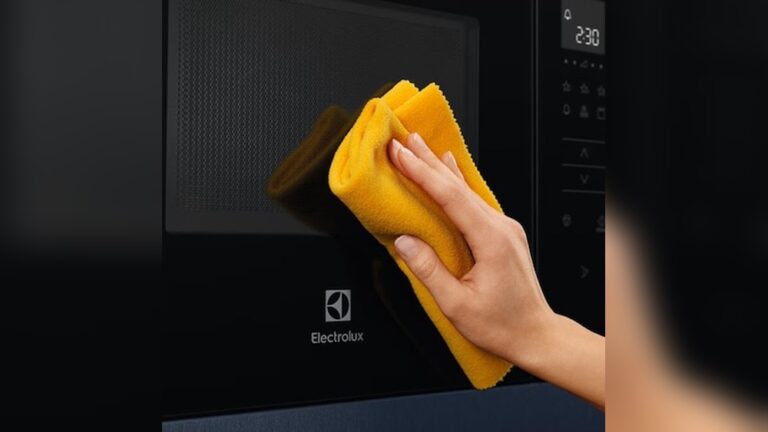
Heating elements work best when free of dirt and grime. Turn off and unplug the oven before cleaning. Use a soft cloth with mild soap and warm water. Avoid harsh chemicals that can damage the elements. Gently wipe away any residue, then dry completely. Clean elements improve heat distribution and cooking results.
Preventing Grease Buildup
Grease can block heat and cause odors. Wipe the oven interior after each use to stop buildup. Use a damp cloth or sponge with mild detergent. Remove food splatters quickly before they harden. Avoid letting grease sit for long periods. Keeping the oven clean reduces smoke and fire risks.
Regular Inspection
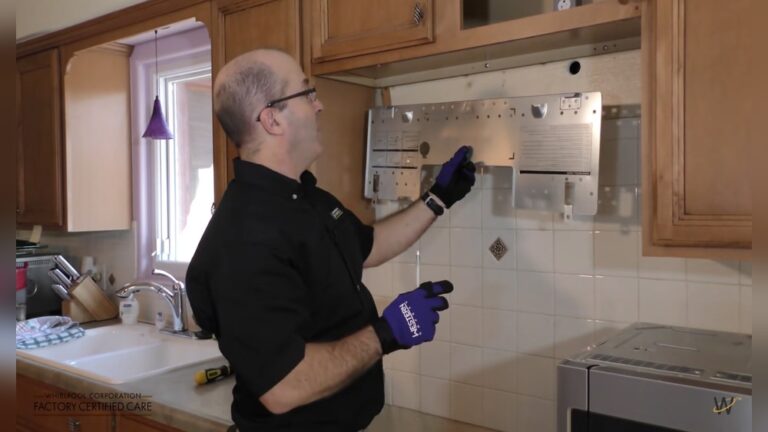
Check your microwave convection oven often for damage or wear. Look for cracks, loose parts, or unusual noises. Test the door seal to ensure it closes tightly. Inspect the fan and vents for blockages. Early detection of problems saves repair costs. Schedule professional servicing if you find issues beyond simple cleaning.
Credit: www.searshomeservices.com
Frequently Asked Questions
What Is The Disadvantage Of A Convection Microwave Oven?
Convection microwave ovens cost more and have smaller capacity than traditional ovens. They require frequent cleaning and may heat unevenly. Some models struggle to crisp bottoms, limiting baking quality. Settings can be complex, making them less user-friendly for large or delicate meals.
When To Use Microwave Convection Mode?
Use microwave convection mode for baking, roasting, and crisping foods evenly with combined microwave and hot air. It suits cakes, meats, and pizzas.
How Does Convection Work In A Microwave?
Convection in a microwave uses a fan and heating element to circulate hot air. This cooks food evenly and crisps surfaces. It combines microwave energy with convection heat for faster, more uniform cooking.
Conclusion
Microwave convection combines microwave energy and hot air circulation. This method cooks food faster and more evenly. It uses a fan to spread heat inside the oven. You get crispy textures and moist interiors. Cooking options become more flexible and convenient.
Remember, settings may need practice to perfect meals. Regular cleaning keeps the oven working well. Overall, it blends speed and baking in one appliance. A smart choice for everyday cooking needs.