How Does Microwave Vent Work: Essential Guide for Kitchen Safety
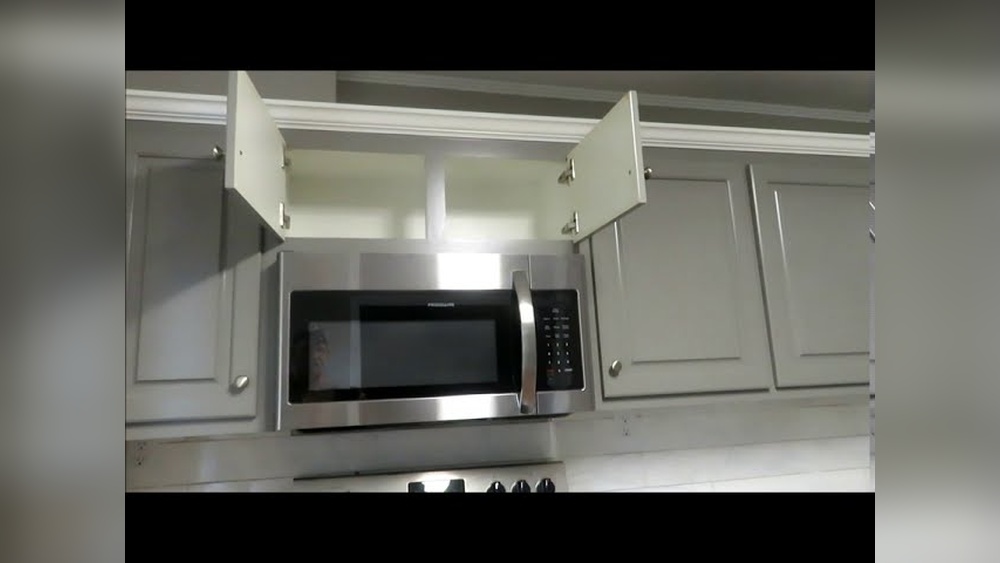
When you cook, steam, smoke, and odors fill your kitchen quickly. You might wonder, how does your microwave vent actually handle all that?
Understanding how a microwave vent works can help you keep your kitchen fresh and your cooking space comfortable. Whether your microwave vents air outside or recirculates it back inside, knowing the difference matters for your home’s air quality and your appliance’s performance.
You’ll discover simple ways to check if your microwave vent is working right, how to tell if it’s venting outside, and what to do if it’s not. Stick around—by the end, you’ll feel confident about your microwave’s ventilation and know how to keep it running smoothly.

Credit: www.youtube.com
Microwave Vent Basics
Microwave vents help remove smoke, steam, and odors from cooking. They improve air quality and keep kitchens fresh. These vents are usually built into over-the-range microwaves.
Vents work by pulling air through filters and then pushing it outside or back into the kitchen. This action helps prevent grease buildup and reduces moisture.
Types Of Microwave Vents
Two main types of microwave vents exist: recirculating and external venting. Recirculating vents pull air through a filter and release it back inside. These vents do not require ductwork.
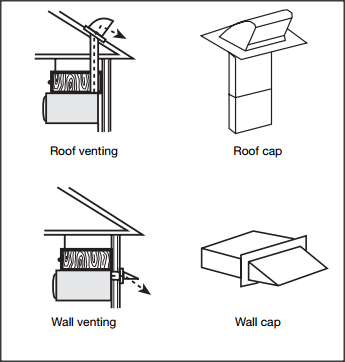
External vents push air outside through ductwork. This type removes heat, smoke, and odors more effectively. It needs proper installation to connect to the outside wall or roof.
Choosing the right vent depends on kitchen layout and installation options. Both types help maintain a cleaner cooking space.
How Venting Impacts Kitchen Safety
Good venting reduces smoke and harmful fumes in the kitchen. This lowers the risk of fire and improves breathing conditions.
Proper vents also prevent grease buildup on walls and ceilings. Grease can become a fire hazard if not removed regularly.
Microwave vents keep moisture levels down, preventing mold growth. This helps protect your kitchen structure and your health.
Credit: www.naturalhandyman.com
Detecting Vent Operation
Detecting if your microwave vent operates correctly is crucial for kitchen safety and air quality. The vent removes smoke, steam, and odors while cooking. Simple tests can help you confirm the vent’s function. These tests require no special tools and provide clear results.
Use these easy methods to check airflow and fan operation. They help you understand if your microwave vent is working well. Below are three practical ways to detect vent operation.
Paper Test For Airflow
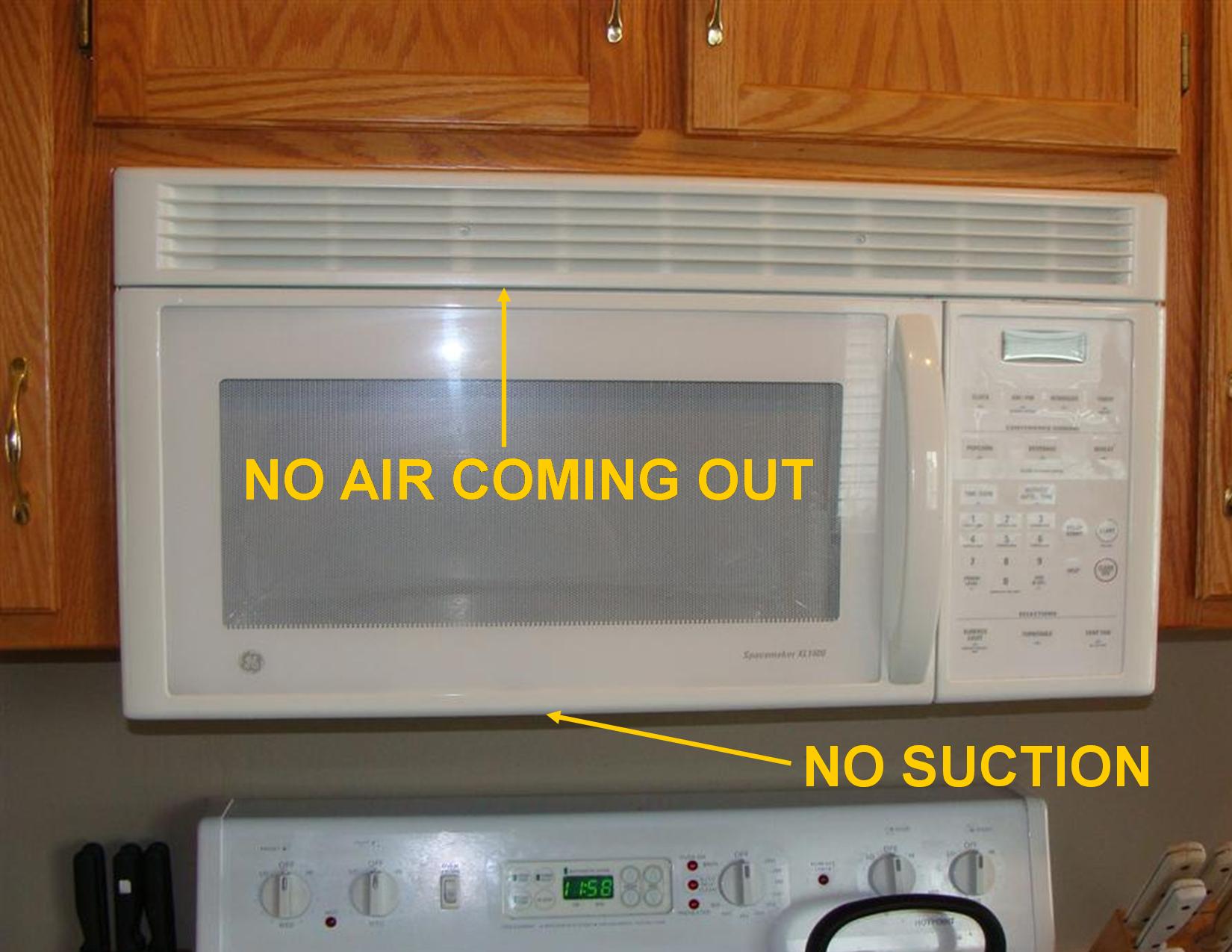
Turn your microwave fan to the highest setting. Take a small piece of paper or tissue. Hold it close to the vent openings, usually at the top or bottom. If the paper is pulled inward and sticks, the vent likely pulls air outside. If the paper moves away or flaps gently, the vent may recirculate air inside your kitchen.
Hand Test For Air Movement
Place your hand near the vent area while the fan runs. Feel for any air moving out or in. Strong airflow means the vent is working to move air. Little or no air movement suggests the vent may be blocked or not functioning. Try this test at different vent spots to get a full check.
Listening To Fan Sounds
Turn on the microwave vent fan and listen carefully. A working vent usually produces a steady hum or whirring sound. Odd noises like rattling or grinding might mean a problem. No sound at all could indicate the fan is not running. This simple check helps spot mechanical issues early.
External Vs Recirculating Vents
Microwave vents play a key role in keeping kitchen air clean. There are two main types: external vents and recirculating vents. Each works differently to remove smoke, steam, and odors.
External vents push air outside through a duct. Recirculating vents clean the air using filters and then release it back into the kitchen. Understanding the difference helps maintain your microwave and kitchen air quality.
Signs Of External Venting
External vents pull air from the microwave and push it outdoors. You may hear a strong airflow sound from the vent. The kitchen air feels fresher with less steam. The fan creates suction near the vent openings. Sometimes, you can see the vent flap open on the outside wall.
Signs Of Recirculating Airflow
Recirculating vents blow filtered air back into the kitchen. You might notice air coming out from the microwave’s top or front grills. The airflow is softer and warmer. No duct leads outside. Odors may linger longer compared to external venting. Filters need regular cleaning or replacement.
Checking The Exterior Vent Cap
Look for the vent cap on your home’s outside wall. Make sure it is clear of debris, dirt, or nests. The flap should open easily when the fan runs. Blocked or stuck caps reduce venting efficiency. Clean the vent cap regularly for smooth airflow and better kitchen air quality.
Maintaining Your Microwave Vent
Maintaining your microwave vent keeps it working well and your kitchen air clean. Regular care stops grease buildup and blockages. It also helps the fan run smoothly and quietly. Simple checks and cleaning prevent costly repairs and keep cooking safe.
Cleaning Grease Filters
Grease filters catch oil and food particles from cooking. Clean them often to stop clogs and bad smells. Remove the filters from the microwave. Wash with warm water and mild soap. Let them dry fully before putting back. Clean filters improve airflow and vent performance.
Inspecting Ductwork For Blockages
Check the vent duct for any blockages. Look inside with a flashlight. Remove any dust, debris, or nests that block air. Clear blockages to help air flow outside. Good ductwork prevents smoke and odors from staying in the kitchen.
Testing Fan Motor Function
Test the fan motor to ensure it runs well. Turn on the vent fan and listen for unusual sounds. A smooth, steady noise means the motor works fine. If noisy or weak, the motor may need repair or replacement. A strong fan pulls air and keeps your kitchen fresh.
Troubleshooting Common Issues
Troubleshooting common issues with microwave vents helps keep them working well. Problems can lower air flow and cause smells or smoke to linger. Fixing these issues saves time and keeps your kitchen fresh.
Start by identifying the problem. Check the fan, noise, and vent openings. Each part plays a key role in venting air properly. Below are common issues and how to address them.
Weak Fan Performance
A weak fan can fail to remove steam and odors. Dust or grease buildup often causes this problem. Clean the fan blades carefully to improve airflow. Also, check if the fan motor runs smoothly. Replace the motor if it sounds strained or slow.
Unusual Noises
Strange sounds from the vent usually mean a mechanical issue. Loose parts can rattle during operation. Tighten screws and brackets to stop the noise. Sometimes, worn bearings inside the fan cause grinding sounds. Replacing these parts fixes the problem quickly.
Blocked Vent Openings
Blockages stop air from flowing outside. Leaves, dirt, or bird nests often block outside vent caps. Inspect and clear these openings regularly. Inside ducts can also clog with grease. Use a vent cleaning brush or call a professional for deep cleaning.
Credit: structuretech.com
Frequently Asked Questions
How Do I Know If My Microwave Vent Is Working?
Turn the fan on high and hold a tissue near intake vents. If the tissue sticks, it recirculates; if sucked in, it vents outside. Check the exterior vent flap for airflow and movement. Cooking strong-smelling food with the fan on should send odors outside if venting properly.
Is A Microwave With A Vent Worth It?
A microwave with a vent improves kitchen air quality by removing smoke and odors. It reduces grease buildup and keeps your space fresh. Venting outside is more effective than recirculating air. Choose a vented microwave for better ventilation and a cleaner cooking environment.
Does A Vented Microwave Have To Be Vented Outside?
A vented microwave does not always have to vent outside. It can recirculate air using filters if external venting isn’t possible.
Conclusion
Microwave vents help remove steam, smoke, and odors from cooking. They work by either pushing air outside or filtering and recirculating it. Testing your vent ensures it functions properly and keeps your kitchen fresh. Proper venting improves air quality and reduces moisture buildup.
Understanding how your microwave vent works helps maintain a cleaner kitchen environment. Remember to check vents regularly for blockages or damage. Clear vents mean safer cooking and better air circulation. A well-functioning microwave vent supports a healthier home.