How Does a Microwave Detector Work: Unveiling Its Secret Technology
Have you ever wondered how a microwave detector senses movement or moisture without even seeing it? Understanding how this clever device works can change the way you think about everyday technology around you.
Whether you want to enhance your home security, improve lighting automation, or simply satisfy your curiosity, knowing the science behind microwave detectors gives you an edge. You’ll discover the simple yet powerful process that lets a microwave detector spot motion or adjust cooking times with amazing precision.
Keep reading, and you’ll see why this technology is smarter and more reliable than you might expect.

Credit: jr-sensors.com
Microwave Sensor Basics
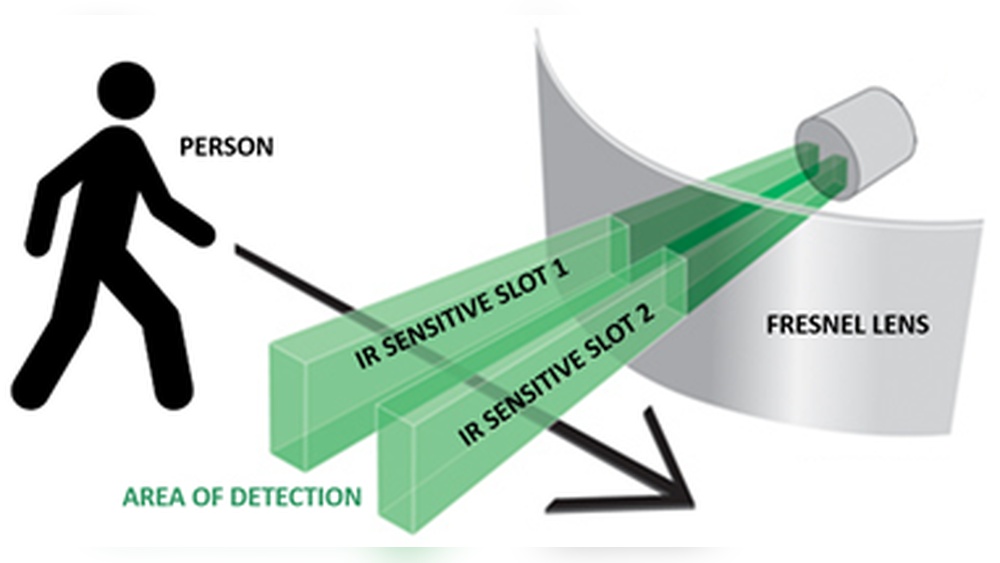
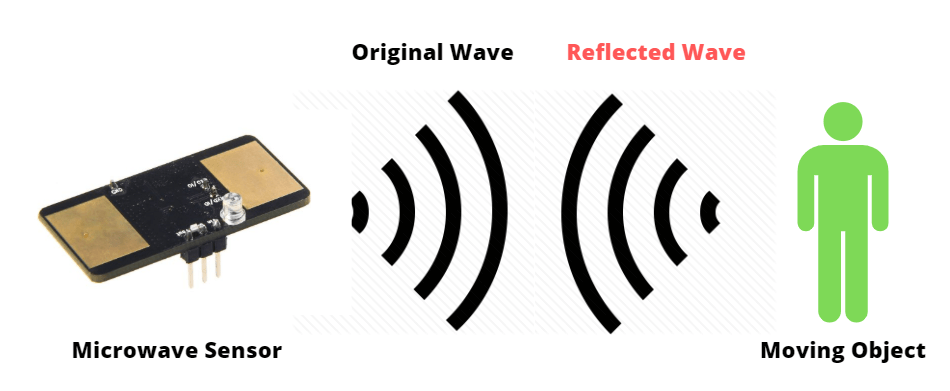
Microwave sensors detect movement using electromagnetic waves. They send out microwaves and listen for their reflections. Changes in these reflected waves indicate motion or presence. This technology works in many lighting and security systems.
Microwave sensors can detect through materials like glass or thin walls. This ability makes them useful where other sensors might fail. Understanding how these sensors work helps in choosing the right system.
Transmitter And Receiver Roles
The sensor has two main parts: transmitter and receiver. The transmitter sends microwave signals into the area. The receiver listens for the signals bouncing back. Both work together to detect any changes in the environment.
Signal Emission And Reflection
The transmitter emits low-energy microwaves continuously. These waves travel through the space and hit objects. Some waves reflect back to the receiver. Moving objects change the way waves reflect, causing signal shifts.
Establishing A Signal Baseline
The sensor sets a baseline from the initial reflections. This baseline shows what is normal in the area. When waves reflect differently from the baseline, the sensor detects movement. This process helps avoid false alarms from static objects.
Credit: www.seeedstudio.com
Motion Detection Process
A microwave detector senses motion by sending out microwave signals. These signals bounce off objects and return as echoes. The detector compares the returning echoes to detect any changes caused by movement. This process helps the device identify motion even in dark or obscured environments.
The detector’s microprocessor constantly analyzes the echoes. It looks for differences between sent and received signals. When a moving object alters the echo, the detector recognizes motion and reacts accordingly.
Changes In Echo Patterns
The microwave detector sends out continuous microwave pulses. These pulses reflect off surfaces and objects in the area. When an object moves, it changes the time and shape of the echo. The detector notices these subtle changes in echo patterns. This shift signals that motion has occurred within the detection zone.
Detecting Movement Through Frequency Shifts
Movement causes a change in the frequency of the reflected microwaves. This effect is known as the Doppler shift. The detector measures these frequency changes to confirm motion. Even small movements create noticeable shifts. The sensor’s circuits pick up these frequency variations quickly and accurately.
Triggering Automated Responses
Once motion is detected, the sensor sends a signal to a control system. This system can turn on lights, alarms, or cameras. The response happens almost instantly after detection. Automated actions increase security and convenience. The microwave detector ensures systems activate only when movement is present.
Advantages Over Pir Sensors
Microwave detectors have found a key role in modern cooking appliances. These sensors help improve cooking results by sensing the food’s condition inside the microwave oven. They measure changes related to moisture and steam to adjust how food cooks. This makes cooking easier and more precise for users.
By using microwave detection, ovens avoid overcooking or undercooking food. The technology reacts to real-time data from the food, not just preset times. This leads to better texture and flavor in cooked meals.
Monitoring Moisture Levels
Microwave detectors monitor moisture released by food during cooking. When food heats up, it releases water vapor. The detector senses changes in moisture inside the oven cavity. This data helps the oven decide if the food is drying out or still moist. Monitoring moisture prevents food from becoming too dry or soggy.
Adjusting Cooking Time And Power
Based on moisture data, the microwave adjusts cooking time and power. If the food releases less moisture, the oven may increase power or extend cooking time. More moisture signals that food needs less heat or shorter cooking. This dynamic control saves energy and improves food quality. It also reduces the need for guesswork in cooking settings.
Steam Detection Mechanism
Steam detection is a key feature in microwave cooking. The detector senses steam levels rising from food. Steam indicates that the food is heating and reaching cooking points. The oven uses this information to stop cooking at the right time. This prevents overcooking and keeps food tender and juicy. Steam detection helps cook delicate foods perfectly every time.

Credit: www.vesternet.com
Microwave Detectors In Cooking
Microwave sensors use different technologies to detect motion and objects. Each type works by sending microwaves and measuring their reflections. The changes in the reflected waves indicate movement or presence. Understanding the types helps to choose the right sensor for specific uses.
These sensors are common in security systems, automatic lighting, and industrial applications. They offer reliable detection under various conditions, including darkness and bad weather.
Pulse Radar Sensors
Pulse radar sensors send short bursts of microwave energy. They wait for the waves to bounce back from objects. The sensor measures the time it takes for the echo to return. This time helps calculate the distance to the object. Pulse radar sensors are good for detecting fast-moving targets. They work well in both indoor and outdoor settings.
Continuous Wave Radar Sensors
Continuous wave sensors emit a steady microwave signal. They do not measure distance but detect motion by frequency changes. When an object moves, it changes the signal’s frequency. This effect is called the Doppler shift. Continuous wave sensors are simple and cost-effective. They are popular for motion detection in security systems.
Frequency Modulated Continuous Wave Sensors
Frequency Modulated Continuous Wave (FMCW) sensors combine features of pulse and continuous wave types. They send a signal that changes frequency over time. The sensor compares the sent and received signals. This comparison helps measure distance and speed simultaneously. FMCW sensors provide accurate range and velocity data. They are used in advanced applications like automotive radar and industrial monitoring.
Frequently Asked Questions
How Do Microwave Detectors Work?
Microwave detectors emit high-frequency waves and measure their echo. Movement alters the echo, triggering the sensor to respond. They detect motion through wave reflection changes, working reliably in various conditions and through some materials.
How Far Will A Signal From A Microwave Detector Travel?
A microwave detector’s signal typically travels up to 10-15 meters, depending on obstacles and environment. It detects motion by analyzing reflected microwaves.
How Does A Microwave Detector Use Light?
A microwave detector emits microwaves and analyzes their reflected signals. It detects movement by changes in the echo pattern, triggering the light to turn on.
Conclusion
Microwave detectors send out waves and listen for echoes. Movement changes these echoes, alerting the sensor. This triggers actions like turning on lights automatically. They work well in different temperatures and lighting conditions. Their ability to detect small movements makes them reliable.
Understanding this helps you see how technology senses motion. Simple, effective, and widely used in many devices today.