How Does Defrost Work on Microwave: Unlocking Quick Thaw Secrets
Have you ever grabbed frozen food from your freezer and wondered how to defrost it quickly and safely in your microwave? Using the defrost function on your microwave might seem simple, but do you really know how it works and why it’s different from just heating your food?
Understanding how defrosting works can save you time, prevent uneven thawing, and keep your meals safe to eat. You’ll discover the secrets behind your microwave’s defrost setting, learn step-by-step how to use it properly, and get practical tips to make your cooking faster and safer.
Ready to make defrosting hassle-free? Let’s dive in!
Microwave Defrost Basics
Defrosting in a microwave is a handy way to thaw frozen food quickly and safely. It uses lower power levels to gently warm food without cooking it. Understanding the basics helps you use this feature correctly and avoid uneven thawing.
Microwave defrosting is different from regular cooking. It focuses on softening the ice crystals in food, preparing it for cooking right after thawing. This process reduces the risk of bacteria growth caused by partial cooking or warm spots.
How Defrost Setting Works
The defrost function lowers the microwave’s power to about 30%. It does not run continuously. Instead, it pulses the microwave energy on and off. This allows heat to spread slowly through the food.
The microwave often pauses during defrost cycles. These pauses let you check and turn the food. Turning the food helps it thaw evenly and prevents hot spots.
Some microwaves ask for the food’s weight. This helps the microwave calculate the time needed to defrost properly. Others have preset times for common foods like meat or poultry.
Why Low Power Matters
Low power stops the food from cooking while defrosting. High power heats food quickly, cooking edges while the center stays frozen. This causes uneven thawing and poor texture.
Using low power allows heat to reach the inside gradually. It melts ice crystals without turning raw meat into cooked meat. This helps keep food safe and ready for cooking.
Low power also prevents parts of the food from becoming warm enough to grow bacteria. This keeps the food safer to eat after defrosting.
Types Of Foods To Defrost
Defrosting food in the microwave saves time and makes meal prep easier. Different types of foods need different defrosting care. Understanding which foods work best with microwave defrost helps keep texture and taste. It also prevents uneven thawing and food safety issues. Below are common food groups ideal for microwave defrosting.
Meat And Poultry
Meat and poultry are the most common foods to defrost in a microwave. Use the defrost setting to gently thaw these without cooking edges. Remove packaging before defrosting and place meat on a microwave-safe plate. Flip or turn meat halfway through to ensure even thawing. Defrost in short intervals to avoid partially cooking the outer parts.
Seafood And Fish
Seafood and fish defrost quickly due to their delicate nature. Use the microwave’s defrost mode with caution to prevent toughening or uneven thawing. Always remove plastic wrap or foam trays first. Check the packaging for specific defrost times. Flip or rotate fish during defrost to maintain texture and prevent cooking edges.
Fruits And Vegetables
Frozen fruits and vegetables can be defrosted in a microwave but require gentle handling. Use low power or defrost settings to avoid softening or mushiness. Place them in a microwave-safe bowl and cover loosely. Stir or turn halfway through defrosting for even thawing. Some vegetables may be better steamed or cooked directly from frozen for best results.
Step-by-step Defrosting
Defrosting food in a microwave saves time and prevents bacteria growth. Following clear steps ensures safe and even thawing. Understanding each phase makes the process simple and effective.
Preparing Food For Defrost
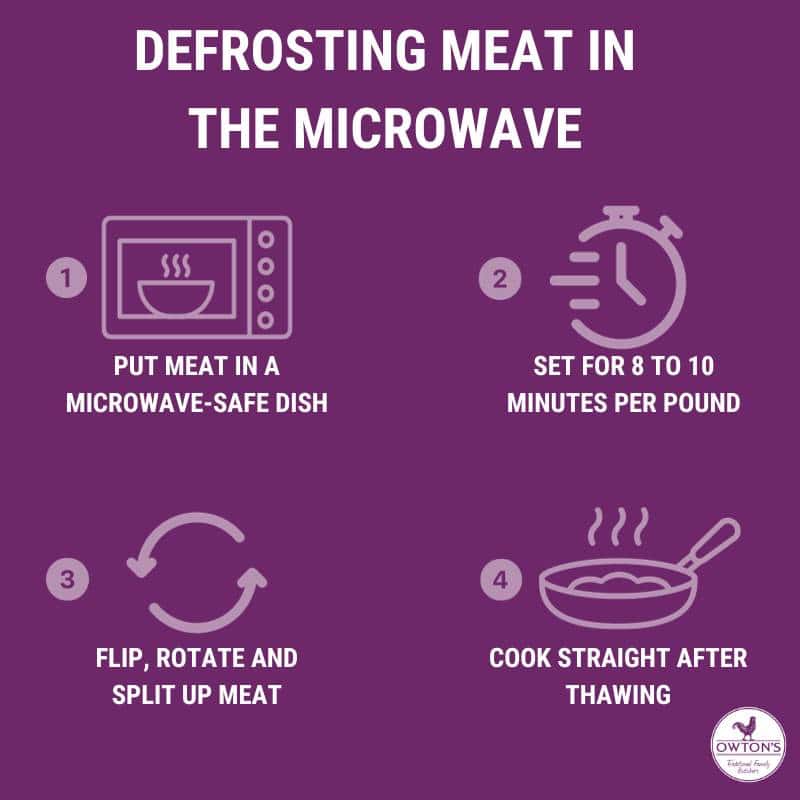
Remove all packaging not safe for microwaves. Avoid styrofoam or plastic wraps without microwave-safe labels. Place the food in a microwave-safe dish. Cover it loosely to stop splatters but allow steam to escape. This step protects your microwave and promotes even defrosting.
Using Auto And Manual Defrost
Most microwaves have an auto defrost setting. Enter the food type and weight to start. The microwave adjusts power and time automatically. For manual defrost, select low power or 30% power level. Set time based on food size. Manual defrost requires more attention but gives control over thawing speed.
Flipping And Rotating For Even Thawing
Stop the microwave several times during defrosting. Flip, rotate, or break apart the food pieces. This action helps heat reach all parts evenly. Uneven thawing can leave cold spots or start cooking edges. Repeat flipping every few minutes until thawing finishes. This step ensures food is ready for cooking safely.

Credit: www.youtube.com
Timing And Power Tips
Timing and power are key to defrosting food correctly in a microwave. Using the right settings helps thaw food evenly and safely. Avoiding partial cooking keeps the texture and taste intact. Below are some useful tips on timing and power for defrosting.
Recommended Defrost Times
Defrost times vary by food type and size. Small items like chicken breasts may take 5 to 7 minutes. Larger cuts need 10 to 15 minutes. Fish usually defrost faster than meat. Start with short intervals and check often to prevent over-thawing.
Adjusting For Food Weight
Most microwaves allow you to enter the food weight. This helps the microwave set the correct defrost time. Heavier foods need more time at lower power. Light foods thaw quicker. Use a kitchen scale for accuracy. Adjust times if food is frozen unevenly.
Avoiding Partial Cooking
Microwaves heat food unevenly. This may cause edges to cook while the center stays frozen. Use the defrost setting, which lowers power and cycles heat on and off. Pause the microwave to flip or stir the food. This promotes even thawing and avoids hot spots.
Safety Tips For Microwave Defrost
Defrosting food in a microwave is fast and convenient. It helps thaw frozen items quickly. Yet, safety is very important during this process. Following key safety tips reduces the risk of foodborne illness. These tips ensure your food stays safe and tasty.
Preventing Bacteria Growth
Bacteria can grow rapidly at room temperature. Microwave defrosting can create warm spots where bacteria multiply. Use the defrost setting on low power to avoid cooking edges. Always check the food and separate pieces during defrosting. This helps heat reach all parts evenly. Do not leave food out too long after defrosting.
Cooking Immediately After Defrost
After defrosting, cook food right away. This stops bacteria from growing on thawed food. Defrosting does not kill bacteria, it only softens ice crystals. Waiting too long after defrosting can make food unsafe. Always plan to cook your food immediately to keep it safe.
Packaging Considerations
Remove all plastic wrap or foam trays before defrosting. These materials can melt or release harmful chemicals. Use microwave-safe containers or plates instead. Cover food loosely with a microwave-safe lid or paper towel. This prevents splatters and helps food thaw evenly. Always check packaging instructions for microwave use.
Credit: www.owtons.com
Common Defrosting Mistakes
Defrosting in a microwave saves time but can be tricky. Many people make simple errors that affect food quality and safety. Avoiding common mistakes ensures even thawing and better cooking results.
Understanding these errors helps you use the defrost function correctly and keep your food safe.
Skipping Flipping And Stirring
Not flipping or stirring food during defrosting leads to uneven thawing. Some parts may stay frozen while others start cooking. This can cause food to spoil or cook poorly. Always stop the microwave halfway and turn or stir your food.
Using High Power Settings
High power makes the edges cook while the center stays frozen. Defrosting requires low power to melt ice slowly. Using high power wastes the microwave’s defrost feature and ruins texture. Set your microwave to the defrost or low power mode instead.
Ignoring Food Type Differences
Different foods thaw at different rates. Meat, poultry, and fish need specific defrost times and techniques. Ignoring these can cause bacteria growth or uneven thawing. Always check the food type and weight before starting the defrost cycle.
Microwave Models And Features
Microwaves come in various models, each with unique defrost features. These features help thaw frozen food quickly and safely. Understanding these options can make defrosting easier and more efficient. Different microwaves offer automatic programs, weight-based settings, and manual controls. Knowing how these work helps you choose the best method for your food.
Auto Defrost Programs
Many microwaves have auto defrost programs. These programs use preset times and power levels based on the food type. You simply select the type of food, such as meat or fish. The microwave adjusts power automatically to thaw without cooking the edges. This feature is useful for quick, hands-free defrosting. It reduces the risk of uneven thawing and saves time.
Weight-based Settings
Weight-based settings require you to enter the food’s weight. The microwave calculates the defrost time from this information. This method gives better control over thawing. It works well for various food sizes and shapes. The microwave often pauses during the cycle to let you turn or rearrange the food. This helps achieve even thawing and prevents hot spots.
Manual Defrost Options
Manual defrost lets you control the power level and time. You can set lower power to avoid cooking the food’s edges. This method is flexible for different food types and thicknesses. It requires more attention and checking while thawing. You may need to stop the microwave to turn or separate the food. Manual defrost works best if your microwave lacks automatic programs.
Credit: www.youtube.com
Alternatives To Microwave Defrost
Microwave defrosting is fast, but other safe methods exist. These alternatives help maintain food quality and safety. They take more time but reduce the risk of uneven thawing.
Refrigerator Thawing
Place frozen food in the fridge to thaw slowly. This method keeps food at a safe temperature. It usually takes several hours or overnight. Refrigerator thawing is best for large cuts of meat. Plan ahead to allow enough time for thawing.
Cold Water Method
Seal food in a leak-proof bag before using this method. Submerge the bag in cold water, changing water every 30 minutes. This speeds up thawing compared to the fridge. It takes less than a few hours for small items. Cook the food immediately after thawing.
Room Temperature Risks
Thawing food on the counter can be unsafe. Warm temperatures let bacteria grow quickly. This can cause food poisoning. Avoid leaving food at room temperature longer than two hours. Use fridge or cold water methods for safer thawing.
Frequently Asked Questions
How Long Does It Take To Defrost In A Microwave?
Defrosting time in a microwave varies by food type and weight, usually taking 2 to 10 minutes. Use the defrost setting, pause to flip or stir food every few minutes for even thawing. Always cook immediately after defrosting to ensure safety and quality.
How To Properly Defrost In The Microwave?
Remove food from packaging and place in a microwave-safe dish. Select the defrost setting and enter the weight. Pause to flip or stir food for even thawing. Resume defrosting until fully thawed. Cook immediately to prevent bacteria growth.
Is It Safe To Defrost Using A Microwave?
Defrosting in a microwave is safe if you use the defrost setting, turn food regularly, and cook immediately after thawing.
Conclusion
Microwave defrosting uses low power to thaw food evenly. It pauses heating to avoid cooking edges. Turn or flip food during defrost for best results. Always remove packaging before placing food inside. Cook thawed food immediately to keep it safe.
Using the defrost function saves time and effort. Understanding how it works helps you prepare meals better. Keep these tips in mind for easy, quick defrosting.