How Does Microwave Oven Work: Unveiling the Magic Behind Heating
Have you ever wondered what really happens inside your microwave oven when you press start? It might seem like magic that your food heats up in mere minutes, but there’s a fascinating science behind it.
Understanding how a microwave oven works will not only satisfy your curiosity but also help you use it more effectively and safely. You’ll discover the step-by-step process of how microwaves cook your food, why some spots get hotter than others, and tips to ensure your meals are heated evenly every time.
Microwave Generation
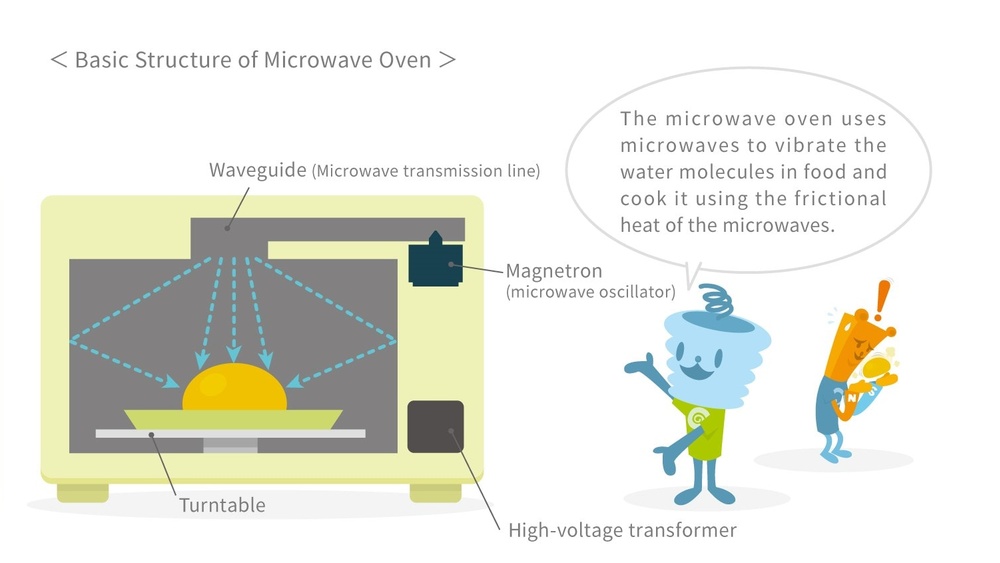
Microwave ovens heat food using microwaves, a type of electromagnetic wave. These waves are produced inside the oven by a special device called a magnetron. The magnetron converts electrical energy into high-frequency microwaves. These waves then travel into the cooking area where they heat the food.
Understanding how microwaves are generated helps explain how the oven cooks food quickly and efficiently. The process involves electron movement and wave production inside the magnetron. This section breaks down these key steps.
Role Of The Magnetron
The magnetron is the heart of the microwave oven. It is a vacuum tube that creates microwaves by using electricity. It takes power from the wall outlet and turns it into microwave radiation. This radiation has a very high frequency, usually around 2.45 gigahertz.
The magnetron contains resonant cavities. These cavities help generate the microwaves at the correct frequency. Without the magnetron, the oven cannot produce the waves needed to heat food.
Electron Movement And Wave Production
Inside the magnetron, electrons are pushed by electric and magnetic fields. These fields force electrons to move in a circular path. The moving electrons create waves inside the resonant cavities.
The waves produced are electromagnetic microwaves. These waves then leave the magnetron and travel into the oven’s cooking chamber. The movement of electrons is the key to creating the microwaves that cook your food.
Credit: www.businessinsider.com
Microwave Transmission
Microwave transmission is the process of delivering microwave energy from the magnetron to the cooking chamber. This energy cooks the food by making water molecules inside it vibrate quickly. The transmission system ensures microwaves move efficiently and safely inside the oven.
Function Of The Waveguide
The waveguide is a metal tube that directs microwaves from the magnetron to the oven cavity. It acts like a tunnel, guiding the energy without letting it escape. The waveguide’s shape and size control the microwave flow. This keeps the waves focused and strong as they enter the cooking area.
Metal Cavity Reflection
The oven cavity is a metal box that reflects microwaves inside. The metal walls stop the waves from escaping. They bounce the microwaves around the food from all sides. This reflection helps the waves reach every part of the food. It also keeps the microwave energy inside the oven for safe cooking.
Heating Mechanism
The heating mechanism in a microwave oven is unique compared to traditional cooking methods. It uses electromagnetic waves to heat food quickly and efficiently. These waves interact with molecules inside the food, producing heat from within. This process happens in several steps that work together to cook food evenly and fast.
Molecular Vibration And Friction
Microwaves cause molecules, especially polar ones, to vibrate rapidly. This vibration creates friction between the molecules. Friction generates heat, which warms the food. Unlike regular ovens, microwaves heat food by exciting molecules directly, not by heating air around the food.
Water Molecules As Heat Drivers
Water molecules play a key role in microwave heating. They have a positive and negative side, making them polar. Microwaves cause these water molecules to rotate quickly. This movement produces heat through friction. Foods with more water heat faster because of this effect.
Penetration And Conduction Heating
Microwaves penetrate the food to a certain depth, heating molecules inside. This creates heat inside the food, not just on the surface. The heat then spreads by conduction, moving from hotter to cooler parts. This process helps cook food evenly but may leave cold spots if the food is thick.
Credit: www.businessinsider.com
Cooking Challenges
Microwave ovens cook food quickly but face some common challenges. Uneven heating can cause parts of the food to be too hot or too cold. This affects the taste and safety of the meal. Understanding these cooking challenges helps improve microwave use.
Hot Spots And Cold Spots
Microwaves bounce inside the oven, creating areas of strong and weak energy. Strong energy areas are called hot spots. These spots heat food faster. Weak energy areas are cold spots, where food stays cooler. This uneven energy makes cooking inconsistent.
Food in hot spots may overcook or dry out. Food in cold spots may remain undercooked. This can cause problems with texture and flavor. Cold spots also risk food safety by not killing bacteria. Hot and cold spots are a big challenge in microwave cooking.
Turntable Role In Even Heating
The turntable helps fix uneven heating problems. It slowly rotates the food inside the oven. This movement moves food through both hot and cold spots. Rotation spreads microwave energy more evenly over the food.
By turning the food, the oven reduces cold areas. It also prevents overcooking in one spot. This simple design improves the taste and safety of meals. The turntable is key to even heating in most microwave ovens.
Microwave Oven Design
The design of a microwave oven plays a crucial role in how well it cooks food. Every part has a specific job to make heating faster and more even. The oven uses microwaves, which are a form of energy, to heat food quickly. These waves bounce inside the metal cavity of the oven. The design keeps the microwaves inside, focusing them on the food. Two important design aspects help the microwave work efficiently: the turntable and food placement, and the materials used for safety.
Turntable And Food Placement
The turntable is a rotating glass plate inside the oven. It turns the food slowly during cooking. This movement helps microwaves reach all parts of the food evenly. Without a turntable, some areas may cook more while others stay cold. Placing food in the center of the turntable is best. Large or uneven-shaped items may still cook unevenly. The turntable design reduces cold spots, so food heats more uniformly.
Material And Safety Considerations
The microwave oven’s interior is made of metal. This metal reflects microwaves, keeping energy inside the oven. It stops microwaves from escaping, which keeps users safe. The door has a metal mesh screen. This screen blocks microwaves but lets you see inside. The oven’s exterior is made of heat-resistant plastic or metal. These materials protect users from heat and electrical parts. Only microwave-safe containers should be used inside. Some materials can melt or catch fire. Proper materials and design keep the microwave safe and effective.
Limitations And Effects
Microwave ovens offer fast and convenient cooking, but they also have some limits and effects on food. These affect how food tastes and looks after heating. Understanding these points helps you use the microwave better and avoid common cooking issues.
Texture And Browning Differences
Microwaves heat food by vibrating water molecules, which creates heat inside. This method cooks food quickly but does not brown or crisp it. Foods cooked in a microwave often stay soft or soggy. The oven does not create the dry heat needed for crusts or crispy textures.
Traditional ovens use hot air to brown food, making it crunchy and flavorful. Microwaves lack this feature, so baked goods and fried foods do not get the same texture. This can make some dishes less appealing or tasty.
Size And Capacity Constraints
Microwave ovens come in various sizes, but their cooking space is still limited. Large or bulky dishes may not fit inside. Also, cooking multiple items at once can be difficult because microwaves cook unevenly without proper spacing.
The size of the microwave limits the amount of food you can heat at one time. This makes it less suitable for large families or big meals. Choosing the right microwave size depends on your cooking needs and kitchen space.
Frequently Asked Questions
How Does A Microwave Oven Work Step By Step?
A magnetron generates microwaves that enter the oven cavity. Microwaves vibrate water molecules in food, creating heat. The turntable rotates food for even cooking.
What Are 5 Disadvantages Of Using A Microwave Oven?
Microwave ovens can cause uneven heating, lack browning, reduce nutrient content, pose safety risks, and have limited cooking capacity.
What Is The Physics Behind The Microwave Oven?
A microwave oven uses a magnetron to produce microwaves that vibrate water molecules in food. This vibration creates heat, cooking the food quickly and evenly. A rotating turntable helps distribute microwaves, reducing cold spots and ensuring uniform cooking inside the metal oven cavity.
Conclusion
Microwave ovens use microwaves to heat food quickly and evenly. The magnetron creates these waves, which make water molecules in food vibrate fast. This vibration produces heat, cooking the food from inside. A turntable helps spread the heat by rotating the food.
This simple process saves time and energy in the kitchen. Understanding how microwaves work can help you use your oven better. It shows why microwaves are a common tool in many homes. Cooking becomes easier and faster with this technology.