How Does a Microwave Vent Work: Ultimate Guide to Kitchen Airflow
Have you ever wondered how your microwave vent actually works when you’re cooking? You might not realize it, but this small device plays a big role in keeping your kitchen fresh and free from smoke, steam, and odors.
Whether your microwave vents outside or simply recirculates air back into your kitchen, understanding how it works can help you make better choices for your home. You’ll discover the different types of microwave vents, how they remove unwanted smells and grease, and why proper venting matters more than you think.
Keep reading to unlock the secrets behind your microwave vent and improve your kitchen’s air quality today!
Credit: www.naturalhandyman.com
Microwave Vent Basics
Microwave vents help keep your kitchen air clean and fresh. They remove smoke, steam, and cooking odors. Understanding how these vents work can improve your cooking experience. Let’s explore the basics of microwave vents and their key roles.
Purpose Of Microwave Vents
Microwave vents clear the air above your stove. They stop smoke and steam from spreading in your kitchen. This helps reduce smells and keeps your walls and cabinets clean. Vents also remove heat, making cooking more comfortable. They improve air quality and prevent grease buildup on surfaces.
Types Of Microwave Vents
There are two main types of microwave vents. The first type vents air outside through a duct. This is the most effective way to remove smoke and odors. The second type recirculates air inside the kitchen. It uses filters to clean the air before releasing it back. Each type has its own benefits depending on your kitchen setup.
External Venting
External venting is a method where the microwave vent pushes air outside your home. It removes smoke, steam, and cooking odors directly outdoors. This system keeps your kitchen air fresh and clean. Many prefer it over recirculating vents that filter and release air back inside.
How External Vents Work
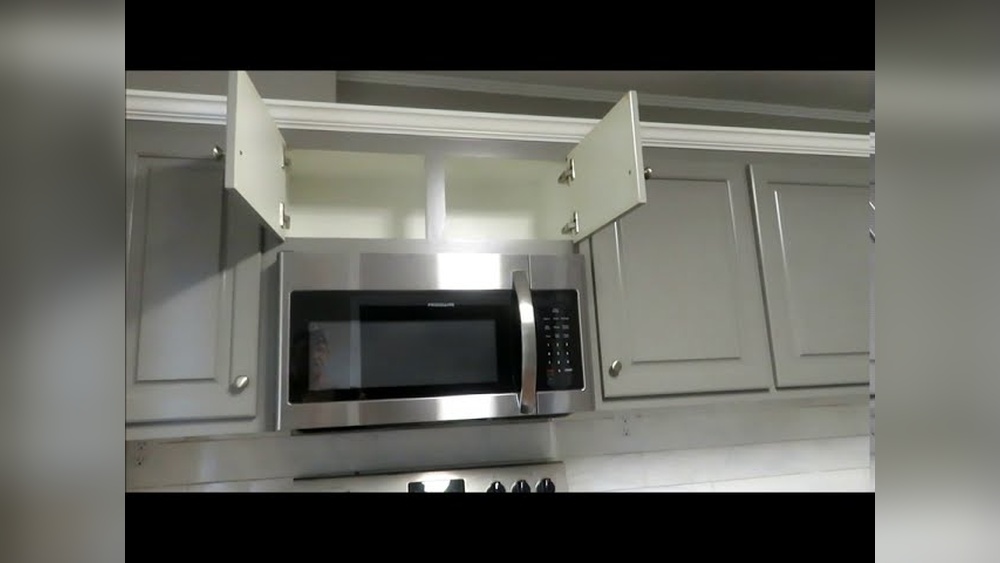
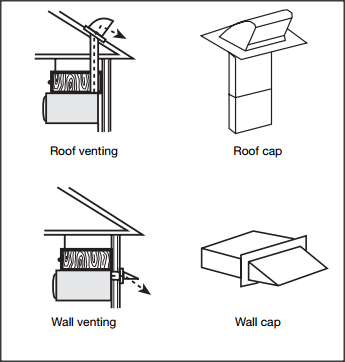
The microwave fan pulls air from the cooking area. It passes through a grease filter to catch particles. Then, the air flows through a duct that leads outside. The duct usually runs through a cabinet or wall behind the microwave. A vent cover on the exterior releases the air outdoors safely.
Benefits Of Venting Outside
External venting removes heat and moisture from your kitchen. It prevents odors from lingering in your home. This reduces the risk of mold and mildew buildup. Your kitchen stays cooler and more comfortable. It also improves indoor air quality by removing smoke and grease particles.
Installation Requirements
Installing an external vent needs a duct system to the outside. The duct should be made of metal for safety and durability. It must have a proper vent cover to keep out pests and rain. The vent path should be as short and straight as possible. Professional help is recommended to ensure correct installation and code compliance.
Recirculating Venting
Recirculating venting is a common venting option for microwaves. It cleans the air inside your kitchen instead of sending it outside. This makes installation easier and more flexible. Many homes use this type because they lack ductwork or prefer a simpler setup.
How Recirculating Vents Work
Recirculating vents pull air from the cooking area. The air passes through filters that trap grease and odors. Then, the cleaned air returns back into the kitchen. No outside vent or ductwork is needed. This system helps reduce smoke and smells while cooking.
Charcoal And Grease Filters
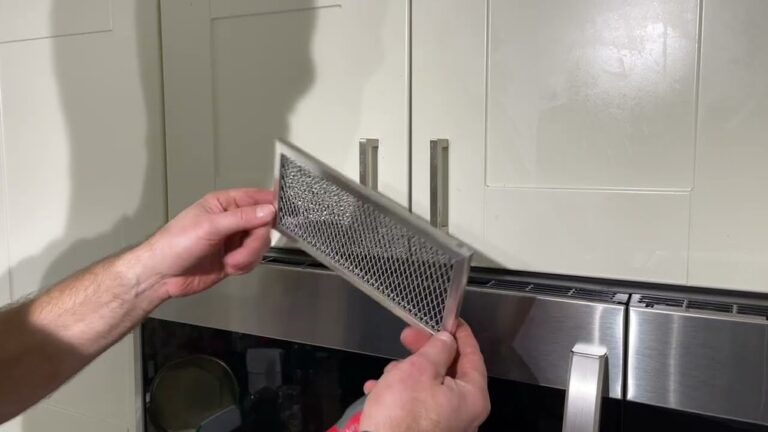
These vents rely on two key filters. Grease filters catch oil and food particles. They are usually made of metal or mesh. Charcoal filters absorb smoke and odors. Charcoal needs to be replaced regularly. Both filters keep the kitchen air fresher and protect the microwave.
When To Choose Recirculating
Pick recirculating vents if your kitchen has no ductwork. They suit apartments and rental homes well. Recirculating vents are easier to install and maintain. Choose this option if you want a simple, cost-effective venting solution. They work best for light cooking and small kitchens.

Credit: www.prolineappliance.com
Comparing Venting Options
Choosing the right venting option for your microwave affects kitchen comfort and cleanliness. Two main types exist: venting outside and recirculating inside. Each has strengths and weaknesses. Understanding their differences helps you pick the best solution for your home.
Efficiency In Removing Smoke And Odors
Venting outside removes smoke and odors directly from the kitchen. It uses ductwork to push air outdoors. This method clears the air quickly and thoroughly.
Recirculating vents use filters to clean air before returning it inside. They trap grease and reduce some odors. However, they do not remove smoke fully. This makes them less efficient than outside vents.
Impact On Kitchen Air Quality
Outside vents improve air quality by removing heat, moisture, and cooking smells. This keeps the kitchen fresh and prevents lingering odors.
Recirculating vents filter air but can leave some particles behind. Over time, this may cause stale air or buildup of grease. Regular filter changes are necessary to maintain air quality.
Cost And Maintenance Differences
Outside venting requires duct installation, which can increase upfront costs. It needs professional setup and occasional duct cleaning.
Recirculating vents cost less to install since no ductwork is needed. Filters must be replaced regularly to keep the system working well. This adds ongoing maintenance costs.
Checking Your Microwave Vent
Checking your microwave vent is important for kitchen safety and air quality. A vent helps remove smoke, steam, and odors from cooking. Regular checks keep it working well and prevent buildup. Simple tests and signs can show if the vent is clear and effective.
Simple Paper Test
Place a thin piece of paper near the vent while the microwave fan runs. The paper should move or lift slightly. This shows air is flowing out. If the paper does not move, the vent may be blocked or the fan might be off. This test is quick and easy to do at home.
Signs Of Proper Venting
Watch for steam and smoke clearing quickly during cooking. The kitchen should not feel humid or smoky. Listen for the fan noise when the vent is on. Air should flow smoothly through the vent without unusual sounds. These signs indicate the vent is working well.
Troubleshooting Common Issues
Check for dust or grease clogging the vent or filters. Clean filters regularly to keep air flowing. Make sure the vent fan is turned on when cooking. Inspect the vent ducts for any damage or loose parts. Fix or replace broken parts to restore proper venting.
Diy Microwave Vent Installation
Installing a microwave vent on your own can save money and improve kitchen airflow. This task involves connecting the microwave’s exhaust to a duct system. Proper venting removes smoke, steam, and odors from cooking. A well-installed vent keeps your kitchen fresh and clean.
Below are the key steps and tips for a DIY microwave vent installation.
Tools And Materials Needed
- Power drill with bits
- Screwdrivers (flat and Phillips)
- Measuring tape
- Metal ducting and connectors
- Vent hood or vent cover
- Foil tape or duct tape
- Safety glasses and gloves
- Marker or pencil
- Sheet metal screws
- Stud finder (optional)
Routing Ductwork
Plan the shortest and straightest path for the ductwork. Avoid sharp bends to improve airflow. Measure the distance from the microwave vent outlet to the outside vent. Cut the ducting to fit this length.
Attach the ductwork securely with sheet metal screws. Seal all joints with foil tape to prevent leaks. Route the duct through a wall or ceiling opening that leads outside. Install a vent hood or cover on the exterior wall.
Safety Tips
Wear safety glasses and gloves to protect from sharp metal edges. Turn off power to the microwave before starting work. Use a stud finder to avoid drilling into electrical wires or plumbing.
Follow local building codes for vent installation. Ensure the exterior vent cover has a flap to keep out pests. Double-check all connections for tightness and proper sealing.
Upgrading Kitchen Airflow
Upgrading kitchen airflow improves cooking comfort and keeps air fresh. Proper ventilation removes smoke, steam, and odors fast. It helps maintain a clean kitchen environment and protects walls and cabinets from damage. Efficient airflow also reduces heat buildup during meal prep. Many homeowners focus on microwave vents to boost kitchen air quality. Combining different ventilation tools creates a stronger, balanced airflow system.
Integrating Range Hoods
Range hoods pull smoke and steam directly from the cooktop. They work well with microwave vents to improve airflow. Installing a range hood above the stove adds extra extraction power. This setup reduces grease and odor buildup in the kitchen. Some microwaves include built-in vents that connect to range hoods. Together, they clear kitchen air more effectively than using one alone.
Combining Ventilation Systems
Using multiple ventilation devices enhances overall air quality. Microwaves with vents can either recirculate air or exhaust it outside. Pairing these with external ducted range hoods creates a full ventilation system. This combination helps remove heat, smoke, and smells quickly. It also lowers humidity and prevents condensation on surfaces. Blending different vents balances airflow and improves kitchen comfort.
Maximizing Air Circulation
Good air circulation spreads fresh air throughout the kitchen. Microwave vents move air up or out, helping to refresh the space. Range hoods and exhaust fans increase air movement and reduce stale spots. Adding ceiling fans or windows can boost circulation even more. Proper placement of vents ensures air flows smoothly and covers all areas. This reduces cooking odors and keeps the kitchen pleasant during meal prep.

Credit: www.youtube.com
Frequently Asked Questions
How Does Microwave Venting Work?
Microwave venting removes cooking smoke, steam, and odors through a fan. It either vents outside via ducts or recirculates filtered air back inside. External venting offers better air quality by exhausting pollutants outdoors, while recirculating uses charcoal filters to clean and release air within the kitchen.
How To Tell If A Microwave Vent Is Working?
Place a piece of paper near the vent while running the microwave fan. If the paper sticks, the vent is working properly.
Does A Microwave Hood Have To Vent Outside?
A microwave hood does not have to vent outside. Recirculating models filter air and release it back into the kitchen. Venting outside removes smoke and odors more effectively.
Conclusion
A microwave vent helps remove smoke and steam while cooking. It pushes air outside or filters it before recirculating. Proper venting keeps your kitchen air clean and fresh. Knowing how your microwave vent works helps maintain it well. Regular cleaning prevents buildup that can block airflow.
Choose the right vent option for your kitchen setup. A working vent improves cooking comfort and safety. Simple checks ensure your microwave vent functions correctly. Keep your kitchen environment healthy with proper vent use.