How Does a Convection Microwave Work: Ultimate Guide to Efficiency
Have you ever wondered what makes a convection microwave different from your regular microwave? If you’re looking to cook faster, bake, or even roast without heating up a full-size oven, understanding how a convection microwave works can change the way you prepare meals.
This clever kitchen gadget combines the speed of microwave cooking with the browning and crisping power of a convection oven. By the end of this article, you’ll know exactly how it works and why it might be the perfect addition to your kitchen.
Ready to unlock the secrets behind this versatile appliance? Let’s dive in!
Convection Microwave Basics
Convection microwaves combine two cooking methods in one appliance. They use microwaves to heat food quickly and convection heating to bake or roast. This combination gives more cooking options than a regular microwave. Understanding the basics helps you get the best results.
Microwave Vs Convection Heating
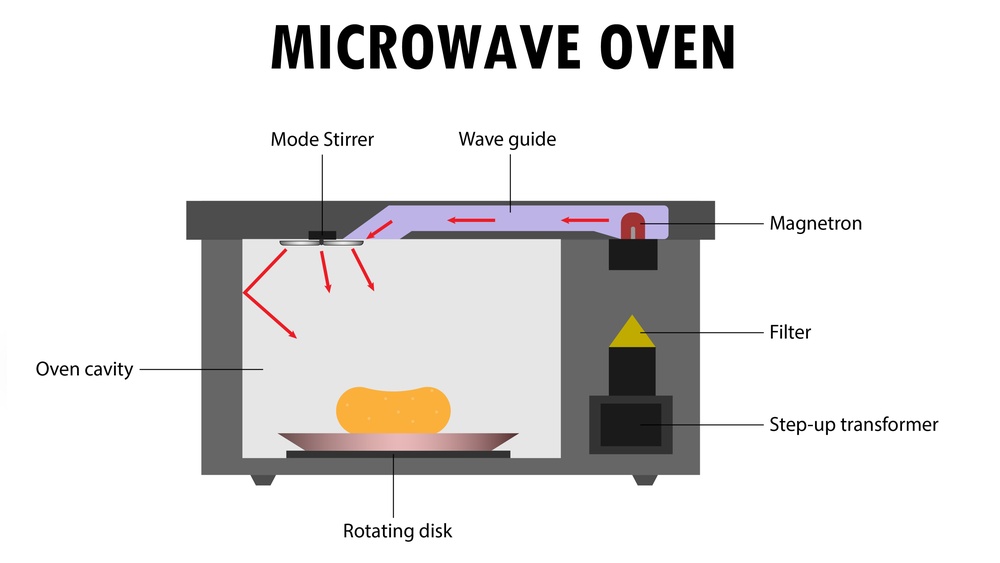
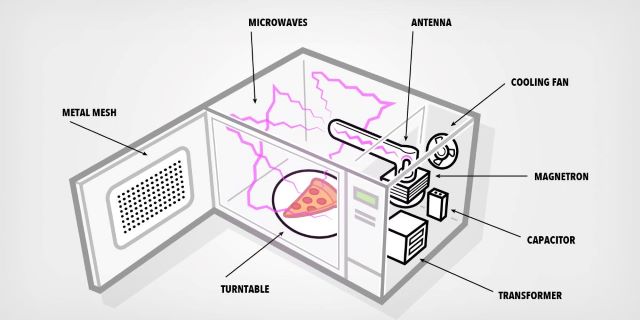
Microwave heating uses electromagnetic waves. These waves cause water molecules in food to vibrate. This vibration creates heat and cooks food fast. It cooks from the inside out.
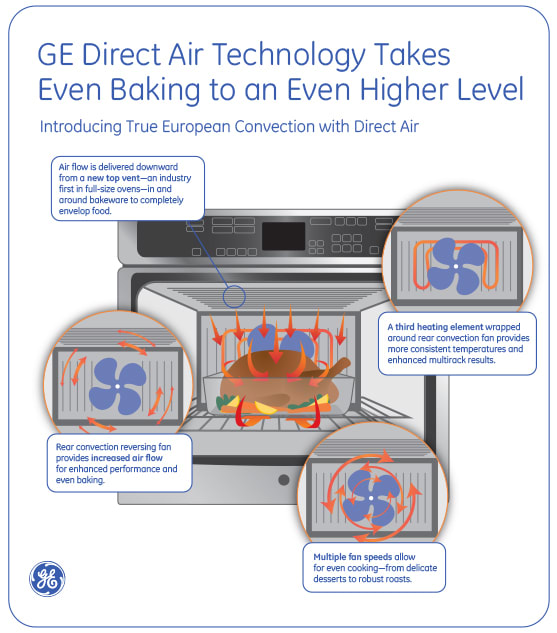
Convection heating uses a heating element and a fan. The element heats the air inside the oven. The fan moves hot air around the food. This cooks food evenly and creates a crispy outer layer. It cooks from the outside in.
Key Components And Design
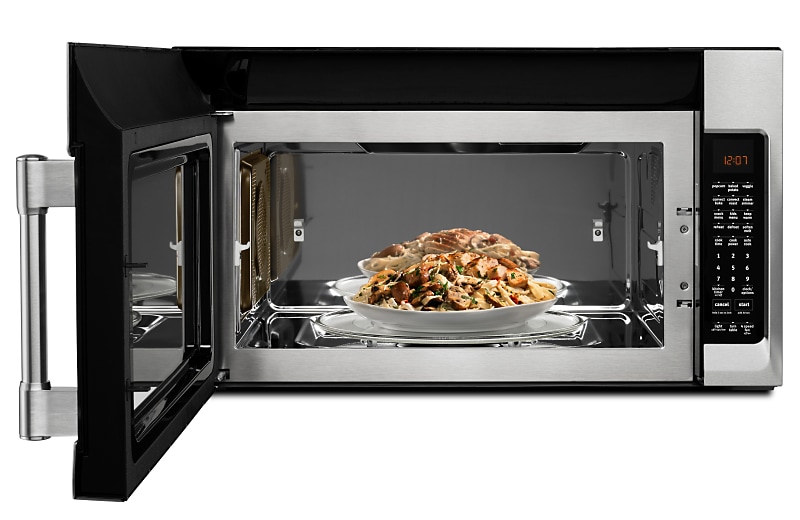
A convection microwave has a magnetron for microwave energy. It also has a heating element for convection heat. A fan circulates the hot air inside. The control panel lets you choose cooking modes.
The oven cavity is smaller than a regular oven. It has special racks to allow air flow. This design helps in even cooking and browning. The door usually has a glass window to check food.
How Convection Microwaves Cook
Understanding how convection microwaves cook helps you use them better. These appliances combine microwave energy and hot air circulation. They cook food faster and more evenly than standard microwaves. This unique method ensures crispier textures and thorough heating.
Microwave Energy Function
Microwave energy heats food by exciting water molecules. These waves penetrate the food and create heat inside. This process cooks food quickly from the inside out. It works best for reheating and simple cooking tasks.
Role Of The Convection Fan
The convection fan circulates hot air inside the oven cavity. This airflow surrounds the food evenly with heat. It helps brown and crisp the surface of the food. The fan improves cooking consistency and texture.
Heating Element Operation
The heating element produces the hot air used by the fan. It works like a small oven inside the microwave. The element heats to high temperatures for baking and roasting. Together, it enhances the microwave’s cooking ability for various dishes.
Benefits Of Convection Microwaves
Convection microwaves combine microwave energy with a fan and heating element. This design offers many benefits that improve cooking at home. These appliances save time, cook food evenly, and provide more cooking choices. Understanding these benefits helps in choosing the right kitchen tool.
Faster Cooking Times
Convection microwaves speed up cooking by using both microwaves and hot air. The fan spreads heat quickly around the food. This reduces cooking time compared to traditional ovens. Meals are ready faster, which saves time for busy days.
Even Heat Distribution
The built-in fan circulates hot air evenly inside the microwave. This prevents cold spots and uneven cooking. Food cooks uniformly, which improves taste and texture. It helps avoid overcooked or undercooked parts in meals.
Versatile Cooking Options
Convection microwaves can bake, grill, roast, and microwave food. This versatility replaces several kitchen appliances. Users can prepare a wide range of dishes with one device. It adds convenience and saves kitchen space.
Credit: www.reviewed.com
Limitations To Consider
Convection microwaves combine microwave energy with convection heat for faster cooking. Despite many benefits, these appliances have some limitations. Understanding these limits helps set realistic expectations.
Smaller Interior Space
Convection microwaves have a smaller cooking cavity than regular ovens. This limits the size of dishes you can cook. Large baking trays or bulky roasts may not fit well. Cooking multiple dishes at once is also difficult. Consider your cooking needs before choosing one.
Challenges With Browning And Baking
These microwaves often lack a bottom heating element. This affects browning and crisping on the base of foods. Pies and pizzas may not get a crispy crust. Cakes and baked goods might bake unevenly. Expect some inconsistency compared to traditional ovens.
Maintenance And Cleaning Needs
Convection microwaves require regular cleaning to work well. Food splatters and grease can build up quickly inside. This buildup can damage the appliance and affect cooking quality. Cleaning the interior and fan parts is necessary. Frequent care keeps the microwave running smoothly.
Energy And Cost Factors
Energy use and costs play a key role in choosing a convection microwave. Understanding how these factors compare to other kitchen appliances helps make smarter decisions. This section breaks down energy efficiency and cost details to give clear insights.
Energy Efficiency Compared To Ovens
Convection microwaves use less energy than traditional ovens. They cook food faster by combining microwave energy with hot air circulation. This reduces cooking time and power consumption.
Because of their smaller size, convection microwaves heat up quickly. They do not waste energy warming a large space like ovens do. This makes them a good choice for quick meals.
Using convection mode means the fan spreads heat evenly. This improves cooking efficiency and reduces the need for longer cooking times. Overall, convection microwaves save electricity compared to standard ovens.
Initial And Repair Costs
Convection microwaves cost more upfront than regular microwaves. The added convection feature and fan system increase manufacturing costs. Prices vary based on brand, size, and extra functions.
Repair costs can also be higher. The combination of microwave and convection parts means more components may need maintenance. However, simple repairs like replacing a fan or magnetron are usually affordable.
Compared to ovens, convection microwaves often have lower repair costs. Ovens have larger parts like heating elements and electronic controls that are costly to fix. Regular maintenance can extend the lifespan of convection microwaves and reduce repair expenses.
Credit: www.smadgroup.com
Comparing To Other Microwaves
Comparing convection microwaves to other types helps understand their unique features. Each microwave type offers different cooking methods and benefits. Knowing these differences guides the right choice for your kitchen.
Convection microwaves combine microwave energy with hot air circulation. This allows baking, roasting, and grilling in one appliance. Other microwaves may focus on specific functions or cooking styles.
Convection Vs Grill Microwaves
Grill microwaves use a heating element to brown food surfaces. They work well for toasting and grilling meat or vegetables. Convection microwaves offer more versatility by adding hot air circulation. This helps cook food evenly and faster. Grill microwaves do not bake or roast as well as convection models. Convection microwaves can replace both a grill and a microwave in one device.
Convection Vs Inverter Microwaves
Inverter microwaves provide steady, controlled power for gentle cooking. They prevent overcooking by using variable power levels. Convection microwaves focus on combining microwave heat with air circulation. Inverter models excel at defrosting and reheating with precision. Convection microwaves excel at baking and roasting tasks. Both improve cooking quality but serve different purposes in the kitchen.
Convection Microwaves Vs Air Fryers
Air fryers cook food by circulating hot air rapidly. This creates crispy textures similar to frying but with less oil. Convection microwaves also use hot air but include microwave energy for faster cooking. Air fryers specialize in crispiness and frying-like results. Convection microwaves handle a wider range of cooking tasks. They can bake, roast, grill, and microwave food all in one unit.
Choosing The Right Model
Choosing the right convection microwave model is key to enjoying its full benefits. Different models offer various sizes, features, and price points. Selecting one that fits your kitchen space and cooking habits makes daily use easier and more efficient.
Consider your typical meal size and kitchen layout before deciding. This section breaks down the main factors to keep in mind when choosing a convection microwave.
Capacity And Size Considerations
Convection microwaves come in various sizes. Small models suit singles or couples. Larger units work well for families or those who cook often.
Measure your counter space to ensure the microwave fits comfortably. Also, think about the dishes you plan to cook. Some models have a deeper interior for bigger plates.
Choosing the right capacity avoids overcrowding and uneven cooking. It also helps maintain good airflow inside the microwave.
Feature Sets To Look For
Basic models offer microwave and convection cooking. More advanced ones include grill functions and preset cooking menus.
Look for easy-to-use controls and clear displays. Some models have sensors to adjust cooking time automatically.
Consider models with multiple power levels and convection fan speeds. These features increase cooking flexibility and help achieve better results.
Budget And Brand Factors
Convection microwaves vary widely in price. Set a budget that balances features with cost.
Trusted brands usually offer reliable performance and better warranties. Check customer reviews to avoid common issues.
Keep in mind that more expensive models often provide longer durability and extra functions. But basic models can still meet everyday needs well.
Credit: www.maytag.com
Maximizing Efficiency Tips
Maximizing the efficiency of your convection microwave improves cooking results and saves energy. Small changes in how you use and care for the appliance make a big difference. Proper habits help the microwave perform at its best for a longer time. Follow these simple tips to get the most from your convection microwave.
Best Practices For Cooking
Use cookware that suits convection microwaves. Choose materials like glass, ceramic, or microwave-safe plastic. Avoid metal containers as they block microwaves and cause sparks. Cut food into even pieces for uniform cooking. Arrange food in a single layer to help hot air circulate. Use the convection setting for baking, roasting, and crisping. Combine microwave and convection modes to cook faster and evenly. Check food frequently to prevent overcooking.
Maintaining Your Microwave
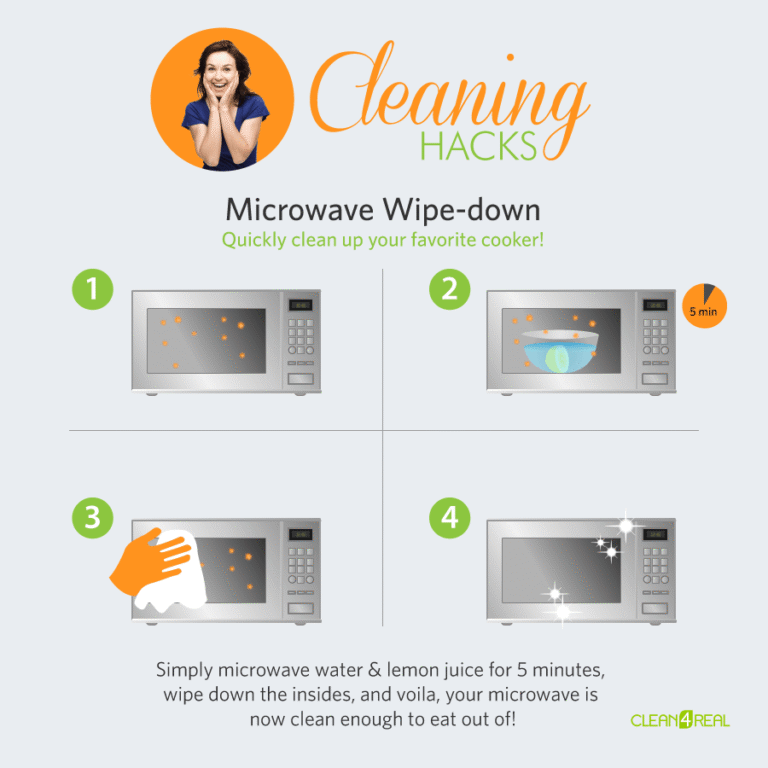
Clean the microwave regularly to avoid grease and food buildup. Use a damp cloth with mild soap to wipe the interior. Remove and clean the turntable and racks often. Keep the vents free from dust to maintain airflow. Check the door seal for damage and clean it carefully. Avoid harsh chemicals that can damage surfaces. Schedule professional servicing if you notice unusual noises or poor performance.
Avoiding Common Mistakes
Do not overload the microwave with large or heavy dishes. Avoid using plastic containers not labeled microwave-safe. Never operate the microwave when empty, as it can cause damage. Avoid blocking the fan or vents during cooking. Do not ignore unusual smells or smoke; stop cooking immediately. Avoid using aluminum foil or metal trims inside the microwave. Follow manufacturer instructions to prevent accidents and extend appliance life.
Frequently Asked Questions
What Are The Disadvantages Of A Convection Microwave Oven?
Convection microwaves have smaller interiors, higher costs, and struggle with even baking or browning. They need frequent cleaning and may lack broil functions.
Can You Put Metal In A Convection Microwave?
Avoid placing metal in a convection microwave. Metal can cause sparks, damage the appliance, and create safety hazards during cooking.
What Foods Should Not Be Cooked In A Convection Oven?
Avoid cooking delicate baked goods like cakes, custards, and soufflés in a convection oven. Also, skip foods needing slow, moist cooking, such as large roasts or casseroles. Thin or fragile items may dry out or cook unevenly due to the fan’s strong, circulating heat.
Conclusion
A convection microwave cooks food by combining microwave energy with hot air circulation. This dual method helps food cook faster and more evenly than a regular microwave. It can bake, roast, and reheat, offering more cooking options in one device.
Keep in mind, its smaller size limits cooking large meals at once. Cleaning is important to keep it working well. Understanding how it works helps you use it better every day. A convection microwave can be a handy kitchen tool for many cooking needs.