How to Clean Ge Microwave Filter: Easy Steps for Sparkling Results
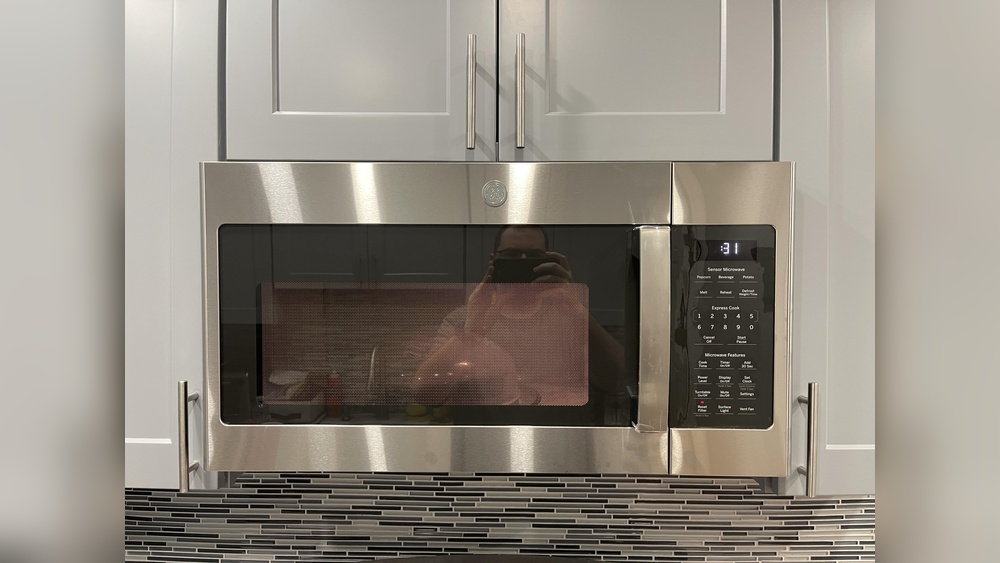
If your GE microwave feels less powerful or your kitchen smells a bit off after cooking, the problem might be your microwave filter. Cleaning your GE microwave filter is a simple step that can make a huge difference in how well your microwave vents steam, smoke, and odors.
By keeping your filter clean, you not only improve your microwave’s performance but also extend its lifespan and keep your kitchen fresh. In this guide, you’ll learn exactly how to find, remove, and clean your GE microwave filter quickly and safely—so you can get back to cooking without worry.
Ready to unlock the secret to a cleaner, fresher microwave? Let’s get started!
Microwave Filter Types
Microwave filters help keep your kitchen air clean and your microwave running well. These filters catch grease, smoke, and odors while cooking. Knowing the types of filters in your GE microwave makes cleaning easier. Two main types exist: grease filters and charcoal filters. Each works differently and needs different care.
Grease Filters
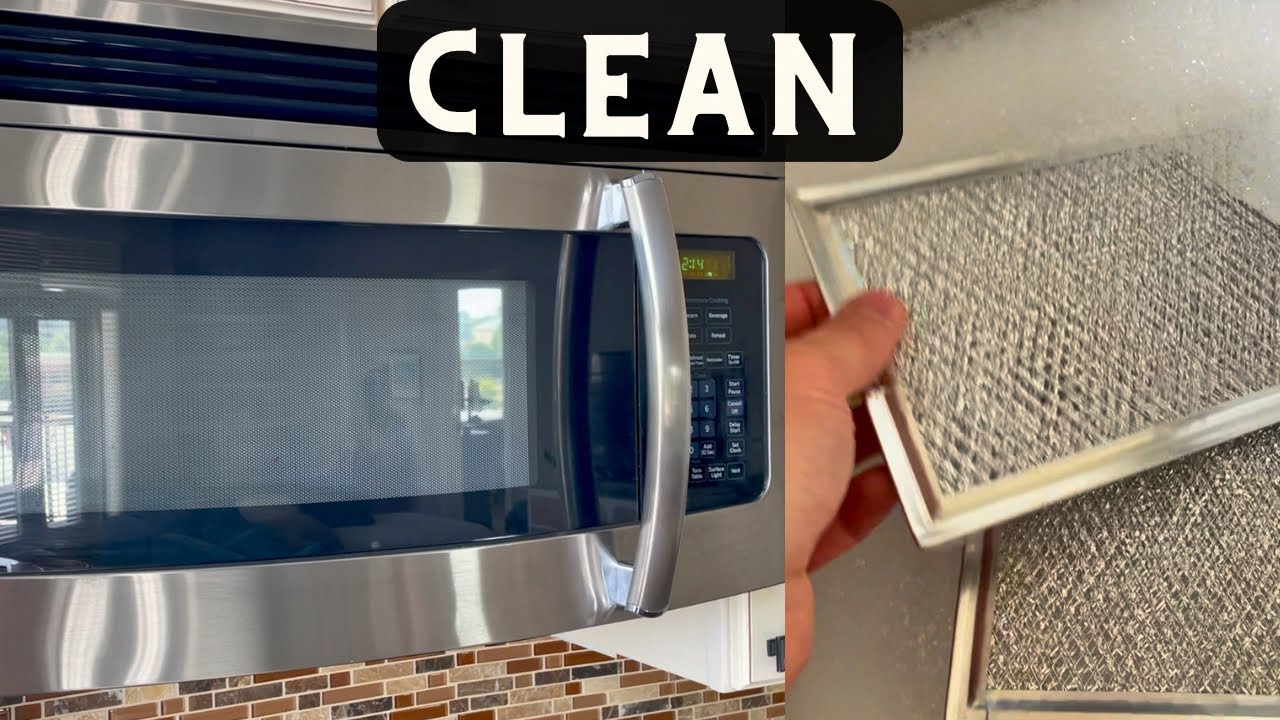
Grease filters trap oil and grease from cooking fumes. They are usually made of metal mesh. These filters can get dirty fast and block airflow. Cleaning them regularly keeps your microwave safe and efficient. To clean, remove the filter carefully. Soak it in hot water with dish soap or baking soda. Use a soft brush to scrub away grease. Rinse well and let it dry before putting it back. Do not use a dishwasher, as it may damage the filter.
Charcoal Filters
Charcoal filters reduce odors and smoke. They contain activated charcoal that absorbs smells. These filters are not washable. Washing damages the charcoal and reduces its effectiveness. Replace charcoal filters every few months for best results. Check your microwave manual to find the right replacement filter. Regular replacement keeps your kitchen smelling fresh and your microwave working properly.
Credit: www.youtube.com
Locating Ge Microwave Filters
Locating the filters in your GE microwave is the first step to cleaning them properly. These filters capture grease and odors during cooking. Knowing where they are helps you remove and clean them easily. GE microwaves typically have two types of filters: grease filters and charcoal filters. Each filter type is found in different parts of the microwave. Understanding their locations simplifies maintenance and keeps your microwave working well.
Finding Grease Filters
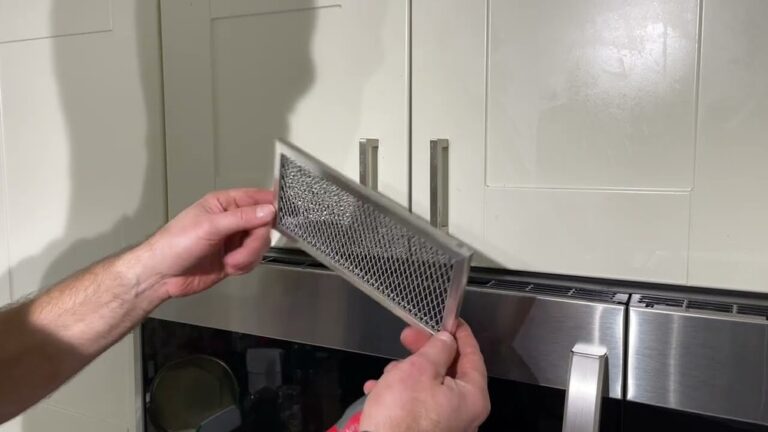
The grease filter is usually located under the microwave. Open the vent panel or the bottom cover to see it. Look for a metal mesh panel or a thin rectangular filter. It often has a small tab or handle to pull it out. Removing this filter is simple. Slide or pull gently to take it out. The grease filter traps cooking oils and needs regular cleaning to avoid buildup.
Accessing Charcoal Filters
Charcoal filters are inside the microwave’s venting system. You might find them behind the grease filter or inside the top vent. These filters absorb odors and smoke. Charcoal filters are often round or square and made of carbon material. They usually do not need cleaning but require replacement every few months. To access, remove the grease filter first. Then look for a cover or clips holding the charcoal filter. Carefully remove the filter for replacement.
Removing The Filters
Removing the filters from your GE microwave is the first step in cleaning them properly. The process varies slightly depending on the type of filter inside your microwave. Understanding how to safely remove both grease and charcoal filters helps maintain your microwave’s performance. Follow the simple steps below to take out each filter without damage.
Releasing Grease Filters
Locate the grease filter inside the microwave hood. It usually sits behind a small tab or latch. Press or pull this tab gently to release the filter. Avoid using too much force to prevent breaking the tab. Slide the grease filter out carefully from its slot. Keep the filter flat to avoid bending or warping it during removal.
Removing Charcoal Filters
Charcoal filters are often found behind the grease filters in some microwave models. First, remove the grease filter to access the charcoal filter. The charcoal filter is usually clipped or snapped in place. Press the clips or gently pull the filter free from its holder. Handle the charcoal filter with care since it is fragile and cannot be washed. Store it properly if you plan to reuse it, or prepare to replace it with a new one.
Credit: www.reddit.com
Cleaning Grease Filters
Cleaning grease filters in your GE microwave keeps it running well and your kitchen fresh. These filters catch grease and smoke during cooking. Over time, they get dirty and clogged. Cleaning them regularly improves airflow and stops odors.
Cleaning is simple and saves money by avoiding replacements. Use gentle methods to protect the filter’s material. Below are easy steps to clean your microwave grease filters.
Soaking Methods
Fill a sink or basin with hot water. Add a few drops of dish soap or a spoon of baking soda. Stir to mix well. Place the grease filter in the water. Let it soak for 15 to 30 minutes. Soaking loosens grease and dirt.
Scrubbing Techniques
After soaking, use a soft sponge or brush. Gently scrub both sides of the filter. Focus on areas with heavy grease buildup. Avoid using metal brushes or hard scrubbers. These can damage the filter surface.
Rinsing And Drying
Rinse the filter under warm running water. Remove all soap and residue. Shake off extra water carefully. Leave the filter to air dry completely. Do not use a dryer or direct heat. Make sure the filter is dry before putting it back.
Handling Charcoal Filters
Handling charcoal filters in your GE microwave requires special care. These filters trap odors and smoke during cooking. Unlike grease filters, charcoal filters cannot be cleaned with water or soap. They absorb particles that reduce air quality over time. Proper handling ensures your microwave works well and your kitchen stays fresh.
Replacement Frequency
Charcoal filters need regular replacement. Most manufacturers suggest changing them every six months. Heavy cooking or frying may require more frequent changes. Old filters lose their ability to absorb odors. Replace the filter as soon as you notice smells lingering after cooking. Keeping the filter fresh improves microwave performance.
Proper Disposal
Discard used charcoal filters responsibly. These filters contain activated charcoal, which is not harmful but should not be thrown in recycling bins. Wrap the filter in a plastic bag before placing it in household trash. Some local waste programs accept charcoal filters for special disposal. Check local guidelines to dispose of filters properly and safely.

Credit: www.youtube.com
Cleaning Tips To Avoid
Cleaning your GE microwave filter helps keep your kitchen fresh and your microwave working well. Some cleaning methods can harm the filter or reduce its life. Avoid these common mistakes to keep your filter safe and clean.
Dishwasher Risks
Do not put your microwave filter in the dishwasher. The high heat and strong water pressure can damage it. The dishwasher can bend or break the filter’s metal parts. Always check the owner’s manual before using a dishwasher.
Abrasive Cleaners
Avoid using harsh or abrasive cleaners on the filter. These can scratch or wear down the filter’s surface. Use mild dish soap and a soft sponge instead. Harsh chemicals may also leave harmful residues on the filter.
Foam Filter Care
Foam filters need extra care. Never clean foam filters in the dishwasher. The foam will break down and lose shape. Wash foam filters gently by hand with warm, soapy water. Let them air dry completely before putting them back.
Maintaining Sparkling Filters
Keeping your GE microwave filter clean ensures your kitchen stays fresh and your appliance works efficiently. Sparkling filters stop grease buildup and reduce odors. Regular care helps the microwave last longer and keeps cooking safe. Follow simple steps to maintain your filters in top shape.
Regular Cleaning Schedule
Clean the microwave filter every one to two months. Remove the filter carefully before cleaning. Soak it in warm water with mild dish soap or baking soda. Use a soft brush to scrub off grease and dirt gently. Rinse well with warm water and let it dry completely. Avoid using a dishwasher or harsh cleaners, as they can damage the filter. Set reminders to keep your filter fresh and working well.
Signs To Replace Filters
Check the filter for holes, tears, or persistent stains. If it smells bad even after cleaning, replacement is needed. A damaged filter lets grease and smoke pass through, harming your microwave. Charcoal filters, used in some models, cannot be washed. Replace them according to the manufacturer’s instructions. Using a new filter improves air quality and cooking performance.
Frequently Asked Questions
How To Clean The Filters On A Ge Microwave?
Unplug the microwave and remove the grease filter by pulling the tab. Soak it in hot, soapy water. Scrub gently with a sponge, rinse thoroughly, and air-dry completely before reinstalling. Replace charcoal filters every few months as they cannot be washed.
Can You Wash The Microwave Filter?
Yes, you can wash microwave grease filters by soaking them in hot, soapy water. Avoid dishwashers and abrasive cleaners. Charcoal filters cannot be washed and need regular replacement. Always air-dry filters completely before reinstalling to maintain efficiency and safety.
Where Is My Microwave Filter?
Your microwave filter usually sits behind the vent or grille, often under the microwave or inside the door frame. Check the user manual for exact location.
Can I Clean My Ge Microwave Filter Instead Of Replacing It?
You can clean GE microwave grease filters by soaking in hot, soapy water and scrubbing gently. Charcoal filters cannot be cleaned and need replacement. Always dry filters completely before reinstalling to maintain microwave efficiency and safety.
Conclusion
Cleaning your GE microwave filter keeps your appliance working well. Regular cleaning removes grease and dirt build-up. Use warm water, dish soap, and a soft brush for best results. Avoid harsh cleaners or dishwashers to protect the filter. Remember to air dry completely before reinstalling.
Charcoal filters need replacement, not washing. A clean filter helps your microwave run efficiently and safely. Simple care extends your microwave’s life and keeps your kitchen fresh. Stay consistent with cleaning to avoid tough grime and odors. Your microwave deserves this easy maintenance for better performance.