How to Clean Burnt Microwave: Easy Steps for a Sparkling Result
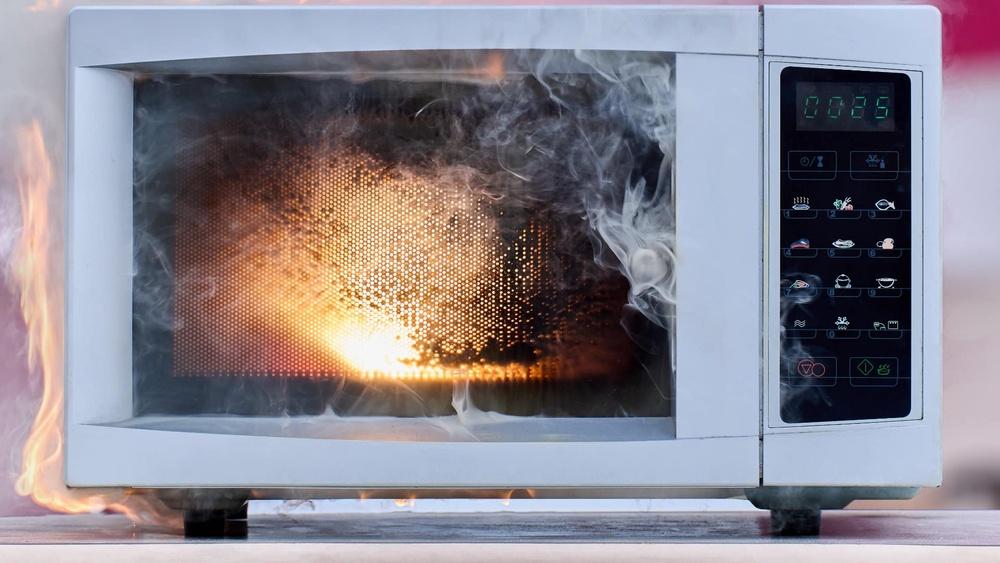
Have you ever opened your microwave only to be hit by that stubborn burnt smell or noticed charred spots inside? It’s frustrating, but don’t worry—you’re not alone, and cleaning a burnt microwave is easier than you think.
If you want to get rid of those unpleasant odors and restore your microwave to its fresh, clean state, this guide is made just for you. By following simple, safe steps, you’ll learn how to remove burnt residue and lingering smells quickly and effectively.
Ready to bring your microwave back to life? Keep reading and discover the easiest ways to clean your burnt microwave today!

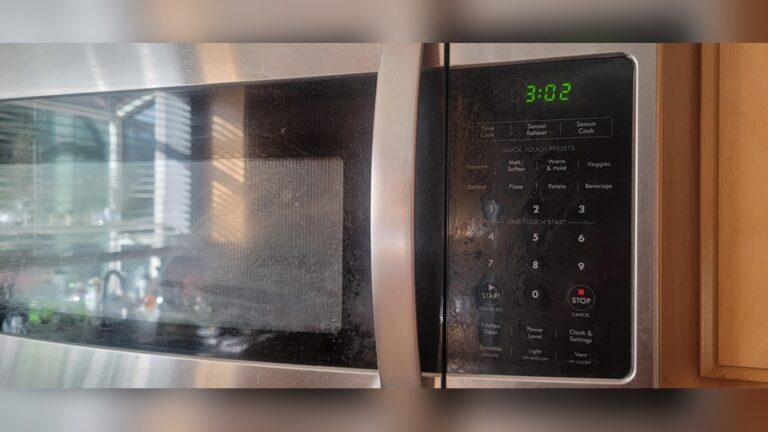
Credit: www.reddit.com
Burnt Microwave Causes
A burnt microwave often results from several common issues. Understanding these causes helps prevent damage and keeps your microwave safe. These problems range from sparks inside to food spills that burn over time. Knowing what leads to burning helps you clean and maintain your microwave properly.
Metal Objects Sparks
Metal objects inside a microwave cause sparks. These sparks can burn the interior walls. Avoid placing foil or metal containers in the microwave. Even small pieces can create dangerous sparks and cause fires.
Food And Grease Buildup
Leftover food and grease build up inside the microwave. Over time, this buildup can burn when heated repeatedly. Grease fires produce smoke and cause a burnt smell. Regular cleaning prevents buildup and burning problems.
Waveguide Cover Damage
The waveguide cover protects the microwave’s internal parts. If it is damaged or burnt, it can cause sparks or smoke. Damage often happens from spills or overheating. Replace a damaged cover to avoid further harm.
Chipped Interior Paint
Chipped paint inside the microwave exposes metal surfaces. Exposed metal can spark or burn food. Chips also make the microwave harder to clean. Repair chips quickly to stop damage from spreading.
Overcooked Food Risks
Cooking food too long causes it to burn inside the microwave. Burnt food creates smoke and a strong odor. Overcooking also wastes energy and ruins meals. Set timers carefully to avoid burning food.
Safety Precautions
Cleaning a burnt microwave requires care to avoid injury and damage. Prioritize safety before starting any cleaning task. Follow these simple steps to keep yourself safe and protect your appliance.
Unplug Microwave First
Always unplug the microwave before cleaning. This stops electricity flow and prevents shocks. It also avoids accidental starting of the microwave during cleaning. Safety first.
Remove Turntable
Take out the turntable carefully. It helps you clean all parts properly. Wash the turntable separately with warm, soapy water. Dry it well before placing it back inside.
Ventilate The Area
Open windows or turn on a fan to air out the kitchen. Burnt smells and fumes can irritate your eyes and throat. Good ventilation keeps the air fresh and safe to breathe.
Initial Cleaning Steps
Starting the cleaning process right is key to restoring your microwave’s fresh look and smell. The first steps focus on removing loose debris and softening burnt residues. These simple actions make deeper cleaning easier and more effective.
Wipe Visible Debris
Unplug the microwave to ensure safety. Remove the turntable and any trays inside. Use a damp cloth or paper towel to wipe away loose food particles and burnt bits. This step clears the surface and prevents spreading dirt during steam cleaning.
Steam Cleaning Method
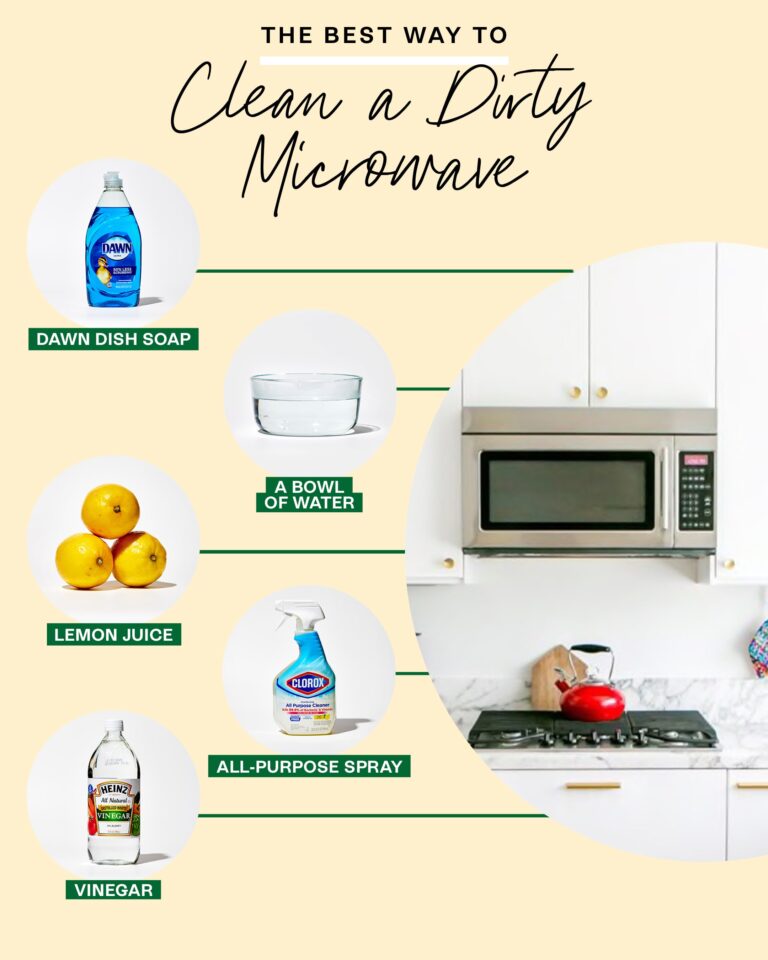
Fill a microwave-safe bowl with water. You can add lemon slices or vinegar for extra cleaning power. Heat the bowl in the microwave for 3 to 5 minutes. The steam loosens tough stains and burnt spots. Leave the door closed for a few minutes to let steam work well.
Wipe Interior Surfaces
Carefully remove the bowl from the microwave. Use a soft cloth or sponge dampened with warm water to wipe the walls, ceiling, and door inside. Focus on areas with burnt marks. Repeat wiping until the surfaces feel clean and smooth.
Credit: www.reddit.com
Odor Removal Techniques
Burnt smells inside your microwave can be stubborn and unpleasant. Removing these odors is important for fresh food preparation. Several easy home methods help absorb and neutralize burnt odors effectively. These techniques use natural ingredients found in most kitchens.
Baking Soda Absorption
Baking soda is a powerful odor absorber. Place an open box or bowl of baking soda inside the microwave. Leave it overnight or for at least 12 hours. Baking soda traps and removes burnt smells from the air. Afterward, wipe the microwave interior with a damp cloth to clear any residue.
Coffee Grounds Trick
Dry coffee grounds work well to absorb bad smells. Put a cup of dry coffee grounds in a microwave-safe bowl. Heat it on high for about one minute. Let the bowl sit inside with the door closed for several hours. Coffee grounds pull burnt odors away, leaving a fresh scent behind.
Cinnamon Steam Freshener
Cinnamon adds a warm, pleasant aroma while cleaning the air. Boil a cup of water mixed with a teaspoon of ground cinnamon in the microwave. Heat it until it steams well. Keep the microwave door closed for 15 minutes to let the steam work. Wipe the interior afterward for a fresh, clean smell.
Handling Stubborn Smells
Burnt smells in a microwave can linger and become unpleasant. Removing these stubborn odors improves your kitchen’s freshness. Several effective methods help handle these tough smells. Use simple, natural solutions to restore your microwave’s clean scent.
Repeat Cleaning Process
Sometimes, one cleaning is not enough. Repeat the cleaning steps to remove deep-set smells. Use warm water and mild soap to wipe the interior well. Steam the microwave with lemon water or vinegar to loosen smells. Let the microwave air dry with the door open. Repeat these steps until the burnt smell fades.
Use Activated Charcoal
Activated charcoal absorbs odors effectively. Place a small bowl of activated charcoal inside the microwave. Leave it overnight or for 24 hours. The charcoal pulls out stubborn burnt smells from the air. Remove the charcoal before using the microwave again. This method is natural and safe for your kitchen.
Natural Air Fresheners
Natural air fresheners help eliminate burnt smells gently. Place a bowl of baking soda inside the microwave overnight. Baking soda neutralizes odors without harsh chemicals. You can also use dry coffee grounds to absorb smells. Another option is to steam cinnamon sticks in water inside the microwave. These fresheners leave a light, pleasant aroma behind.
When To Discard Food
Knowing when to discard food after it burns in the microwave is important for health and safety. Burnt food can produce harmful compounds and bad odors. Sometimes food looks fine but may not be safe to eat. Learn to spot signs that mean you should throw food away. Protect yourself and your family by understanding these simple rules.
Safe Containers
Use only microwave-safe containers to heat food. Glass, ceramic, and certain plastics are usually safe. Avoid containers that melt or warp from heat. Food inside intact, heat-resistant containers is often safe even after a burn. Check the container for cracks or damage before reheating. Damaged containers may leak harmful chemicals into your food. Always transfer food to a safe container if unsure.
Discard Damaged Packaging
Throw away food in packaging that is burnt or melted. Paper, plastic, and foam containers can catch fire or melt. Burnt packaging can contaminate food with toxins or chemicals. Do not eat food that touched burnt or damaged packaging. Always inspect packaging after heating. If it shows any signs of burning, discard both packaging and food inside.
Check Food Quality
Look closely at the food’s color, smell, and texture. Burnt food often has a black or dark brown color. A strong burnt smell means the food may be unsafe. Food that smells off or sour should be thrown out. If the texture is hard, dry, or unusually tough, discard it. Trust your senses; do not taste food that looks or smells bad. Fresh food is the safest choice after a microwave accident.
Preventing Future Burns
Preventing future burns in your microwave keeps it safe and clean. Small changes in habits protect the appliance from damage and unpleasant smells. Consistent care extends your microwave’s life. Here are key steps to avoid burns and keep your microwave working well.
Avoid Metal In Microwave
Metal objects cause sparks and burns inside microwaves. Do not place aluminum foil, utensils, or plates with metal trim inside. Even small metal pieces can create fires. Use only microwave-safe materials to prevent damage and accidents.
Regular Cleaning Routine
Clean your microwave after every use to stop food buildup. Wipe spills and splatters quickly with a damp cloth. Regular cleaning removes grease and crumbs that can burn. Keep the interior dry and fresh to avoid smoke and smells.
Inspect Waveguide Cover
The waveguide cover protects the microwave’s internal parts. Check it often for dirt or damage. A dirty or broken cover can cause sparks and burns. Replace the cover if it looks worn or stained to keep your microwave safe.
Use Microwave-safe Containers
Choose containers labeled microwave-safe for heating food. Avoid plastic that can melt or release harmful chemicals. Glass, ceramic, and some plastics are safer options. Using the right containers prevents burns and protects your microwave’s interior.
Credit: www.reddit.com
Frequently Asked Questions
How To Remove Smoke Damage From A Microwave?
Unplug the microwave and remove the turntable. Wipe visible debris with a damp cloth. Steam with water inside for 5 minutes. Clean interior surfaces thoroughly. Air out by leaving the door open. Use baking soda or coffee grounds overnight to absorb odors.
Repeat if needed.
Is It Safe To Use A Microwave After Something Burned In It?
Using a microwave after burning food is safe only if no damage or sparks occurred. Clean thoroughly and air it out before reuse. Discard food in damaged packaging or exposed to smoke. Inspect for interior damage or unusual smells to ensure safe operation.
Why Is My Microwave Burnt Inside?
Your microwave burns inside due to metal objects, food or grease buildup, damaged paint, or a failing magnetron causing sparks and smoke.
How To Get Black Soot Out Of The Microwave?
Unplug the microwave and remove the turntable. Wipe soot with a damp cloth. Steam a bowl of water inside for 5 minutes. Wipe again. Leave the door open to air out. Use baking soda or coffee grounds overnight to absorb odors.
Repeat if needed.
Conclusion
Cleaning a burnt microwave does not have to be difficult. Follow simple steps to remove stains and odors safely. Use natural items like baking soda or coffee grounds to absorb smells overnight. Keep your microwave fresh by cleaning spills quickly.
Regular care helps prevent future burns and bad smells. A clean microwave works better and lasts longer. Try these tips to restore your microwave’s look and smell today.