How to Clean Kitchen Sponge in Microwave: Easy & Effective Tips
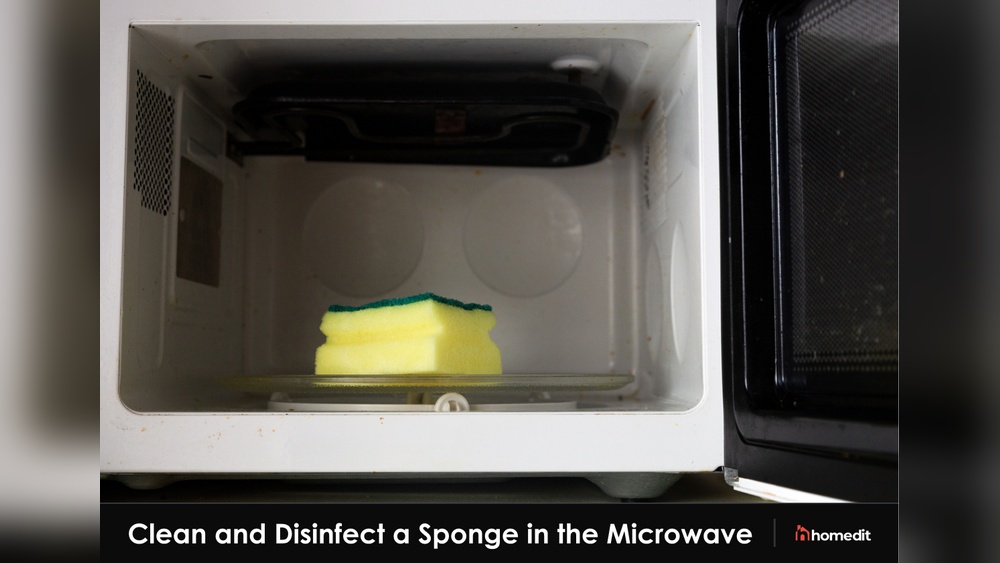
Your kitchen sponge works hard every day, soaking up messes and scrubbing dishes. But have you ever thought about how dirty it really gets?
If you’re like most people, your sponge could be a hotspot for germs and bacteria. The good news? You don’t have to toss it out after every use. With a simple trick using your microwave, you can kill most of those harmful microbes and keep your sponge cleaner for longer.
Curious how to do it safely and effectively? Keep reading, and you’ll learn exactly how to clean your kitchen sponge in the microwave — a quick and easy way to protect your family from unseen germs.
Benefits Of Microwaving Sponges
Microwaving kitchen sponges offers several benefits that improve kitchen hygiene. This simple method uses heat to reduce bacteria quickly. It saves time and money compared to other cleaning methods. Using the microwave to clean sponges keeps your kitchen safer and fresher.
Kills Most Bacteria
Microwaving a wet sponge kills most bacteria and germs. The high heat destroys harmful microbes effectively. Studies show this method removes nearly all common bacteria. It reduces the risk of spreading illness in your kitchen.
Quick And Convenient
Cleaning a sponge in the microwave takes just a few minutes. You only need to wet the sponge and heat it. This saves time compared to boiling or using chemicals. The process fits easily into your daily cleaning routine.
Cost-effective Sanitizing
Microwaving sponges costs nothing extra. It uses the microwave you already have. No need to buy special cleaners or replacements often. This method helps you save money while keeping sponges clean and safe.
Credit: www.whirlpool.com
Preparing The Sponge
Preparing your kitchen sponge properly is key before microwaving it for cleaning. This step helps avoid accidents and improves the cleaning result. Follow these simple actions to get your sponge ready for safe microwaving.
Remove Metal Parts
Check your sponge carefully for any metal pieces. Some sponges have small metal scrubbers or embedded wires. These metal parts can cause sparks and damage your microwave. Always remove all metal before microwaving the sponge.
Soak Thoroughly
Wet the sponge completely with clean water. A dry sponge can catch fire in the microwave. Soaking ensures the sponge heats evenly and kills bacteria effectively. Squeeze the sponge to let water soak inside the pores.
Check For Damage
Look closely for tears or worn-out areas in the sponge. Damaged sponges may not heat evenly and can fall apart. Replace old or broken sponges to avoid any mess or safety risk. Use only sponges in good condition for microwaving.
Microwaving Process
Microwaving a kitchen sponge is a quick and effective way to reduce bacteria and germs. This process uses high heat to sanitize the sponge. Before microwaving, proper preparation and safety steps are important. Follow these simple guidelines to clean your sponge safely in the microwave.
Set Microwave Time
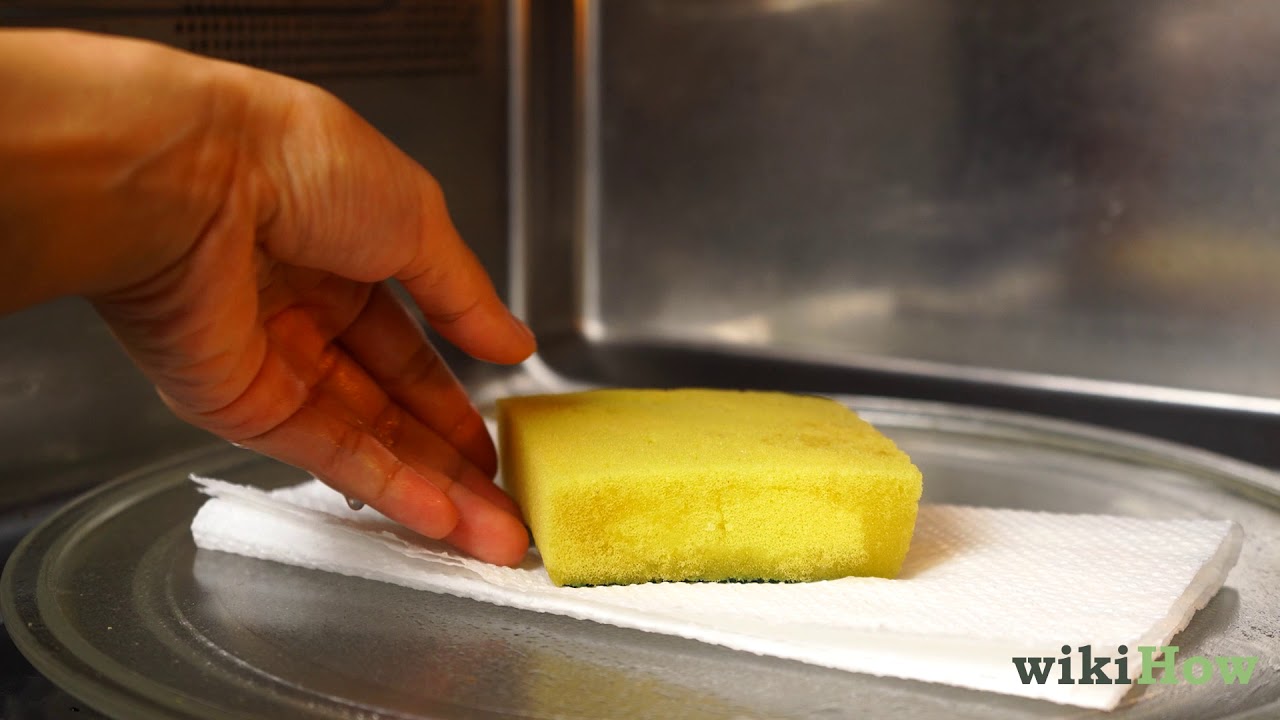
Start by soaking the sponge fully in water. A wet sponge heats evenly and avoids fire risks. Place the sponge in the microwave and set the timer for 1 to 2 minutes. Longer times may cause damage or fire. Adjust time based on your microwave’s power. Stay nearby to monitor the process.
Use Microwave-safe Plate
Always place the sponge on a microwave-safe plate. Avoid metal materials, which can spark and cause fires. The plate catches any water that drips during heating. Choose a clean plate that fits well inside the microwave. This keeps your microwave safe and clean.
Handle Sponge Safely After Heating
After microwaving, the sponge will be very hot. Use tongs or oven mitts to remove it from the microwave. Let the sponge cool completely before touching with bare hands. A hot sponge can burn your skin or release steam. Proper handling prevents accidents and keeps you safe.
Safety Tips
Cleaning your kitchen sponge in the microwave is quick and effective. Safety is key to avoid accidents. Follow these tips to protect yourself and your home.
Never Microwave Dry Sponge
Always soak the sponge with water before microwaving. A dry sponge can catch fire and burn quickly. Wet sponges absorb heat safely and kill bacteria better. Never skip this step to avoid fire risks.
Avoid Metal Objects
Check the sponge for metal scrubbing pads or particles. Metal in the microwave can cause sparks and damage the appliance. Remove all metal parts before heating the sponge. Use only sponges without metal for microwaving.
Prevent Fire Hazards
Do not leave the microwave unattended while cleaning the sponge. Heat the sponge for short intervals, about one to two minutes. Let the sponge cool before handling to avoid burns. Keep flammable materials away from the microwave during use.
Limitations Of Microwave Cleaning
Microwave cleaning offers a quick way to reduce germs in kitchen sponges. It uses heat to kill many bacteria and viruses. Despite this, it has limits that affect its effectiveness. Understanding these helps you keep your kitchen safe and clean.
Does Not Sterilize Completely
Microwaving kills most germs but does not sterilize the sponge. Some bacteria can survive the heat. The sponge may still carry harmful microbes after microwaving. Sterilization requires higher temperatures or chemical disinfectants.
Possible Bacterial Resistance
Some bacteria might become resistant to heat from microwaves. Repeated microwaving does not guarantee all bacteria die. Resistant bacteria can grow stronger over time. This makes microwave cleaning less reliable for tough germs.
Not A Replacement For Regular Replacement
Microwave cleaning does not replace changing your sponge regularly. Sponges wear out and trap dirt and germs. Old sponges can spread bacteria even after microwaving. Replace sponges every one to two weeks for best hygiene.
:max_bytes(150000):strip_icc()/Simply-Recipes-How-to-Clean-Microwave-LEAD-2-622e8e5bbfe8497f9f8772e1b76a2489.jpg)
Credit: www.simplyrecipes.com
Alternative Cleaning Methods
Besides microwaving, there are other ways to clean your kitchen sponge effectively. These methods also kill bacteria and keep your sponge fresh. Using different cleaning options can suit your needs and available tools. Here are some popular alternative cleaning methods for kitchen sponges.
Dishwasher Sanitizing
Place the damp sponge on the top rack of your dishwasher. Run a full cycle with the heat-dry option turned on. The dishwasher’s high temperature kills most germs and bacteria. This method is simple and uses tools you already have. Let the sponge dry fully before using it again.
Bleach Soaking
Mix one tablespoon of bleach with one quart of water in a bowl. Soak the sponge in this solution for five minutes. Bleach kills germs quickly and deeply disinfects. After soaking, rinse the sponge well with clean water. Use gloves to protect your hands during this process.
Vinegar And Baking Soda
Start by soaking the sponge in a cup of white vinegar for five minutes. Next, sprinkle baking soda on the sponge and scrub it lightly. The vinegar breaks down dirt and kills bacteria. Baking soda helps remove odors and cleans the sponge’s surface. Rinse the sponge thoroughly with water and let it dry.
Tips For Sponge Maintenance
Keeping your kitchen sponge clean is important to stop germs from spreading. Proper sponge maintenance helps it last longer and stay safe for daily use. Follow simple habits to keep your sponge fresh and effective.
Replace Weekly
Change your sponge every week. Sponges hold many bacteria over time. Regular replacement stops germs from building up. Even if you clean it often, a new sponge is safer.
Store Dry
Keep your sponge dry between uses. Bacteria grow fast in wet sponges. Squeeze out water well after washing. Place it in a dry spot with good air flow to help it dry quickly.
Use Multiple Sponges
Use different sponges for different tasks. For example, one for dishes and one for cleaning counters. This avoids cross-contamination. Rotate sponges to reduce wear and keep your kitchen hygienic.
Credit: www.youtube.com
Frequently Asked Questions
Can You Clean A Sponge By Microwaving It?
Yes, microwaving a thoroughly wet sponge kills most bacteria using heat. Avoid metal to prevent fires. This method sanitizes but doesn’t fully sterilize, so replace sponges regularly for best hygiene.
How Do You Disinfect A Sponge In The Microwave?
Thoroughly soak the sponge with water, remove any metal parts, then microwave on high for 1-2 minutes. Let it cool before use.
Can I Sanitize My Dish Sponge In The Microwave?
Yes, microwaving a thoroughly wet sponge kills most bacteria using heat. Avoid metal to prevent fires. Let it cool before use. Replace sponges regularly for best hygiene.
How To Clean Your Kitchen Sponge In The Microwave?
Thoroughly soak your sponge with water. Remove any metal parts. Microwave on high for 1-2 minutes. Let it cool before use. Repeat weekly for hygiene.
Conclusion
Cleaning your kitchen sponge in the microwave is quick and effective. Always soak the sponge fully before microwaving to avoid fire risks. Remove any metal pieces to keep it safe. Microwaving kills most bacteria but does not sterilize completely. Replace your sponge regularly to maintain good kitchen hygiene.
This simple method helps keep your sponge cleaner between replacements. Try this easy step to make kitchen cleaning safer and healthier.