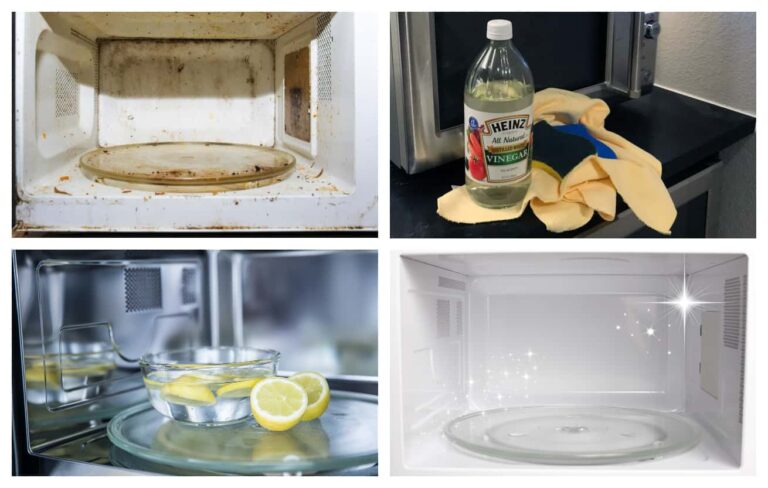
What to Clean the Microwave With: Easy, Effective Solutions Revealed
Your microwave works hard every day, heating up your meals and snacks. But over time, spills and splatters build up inside, making it look dirty and even causing unpleasant smells.
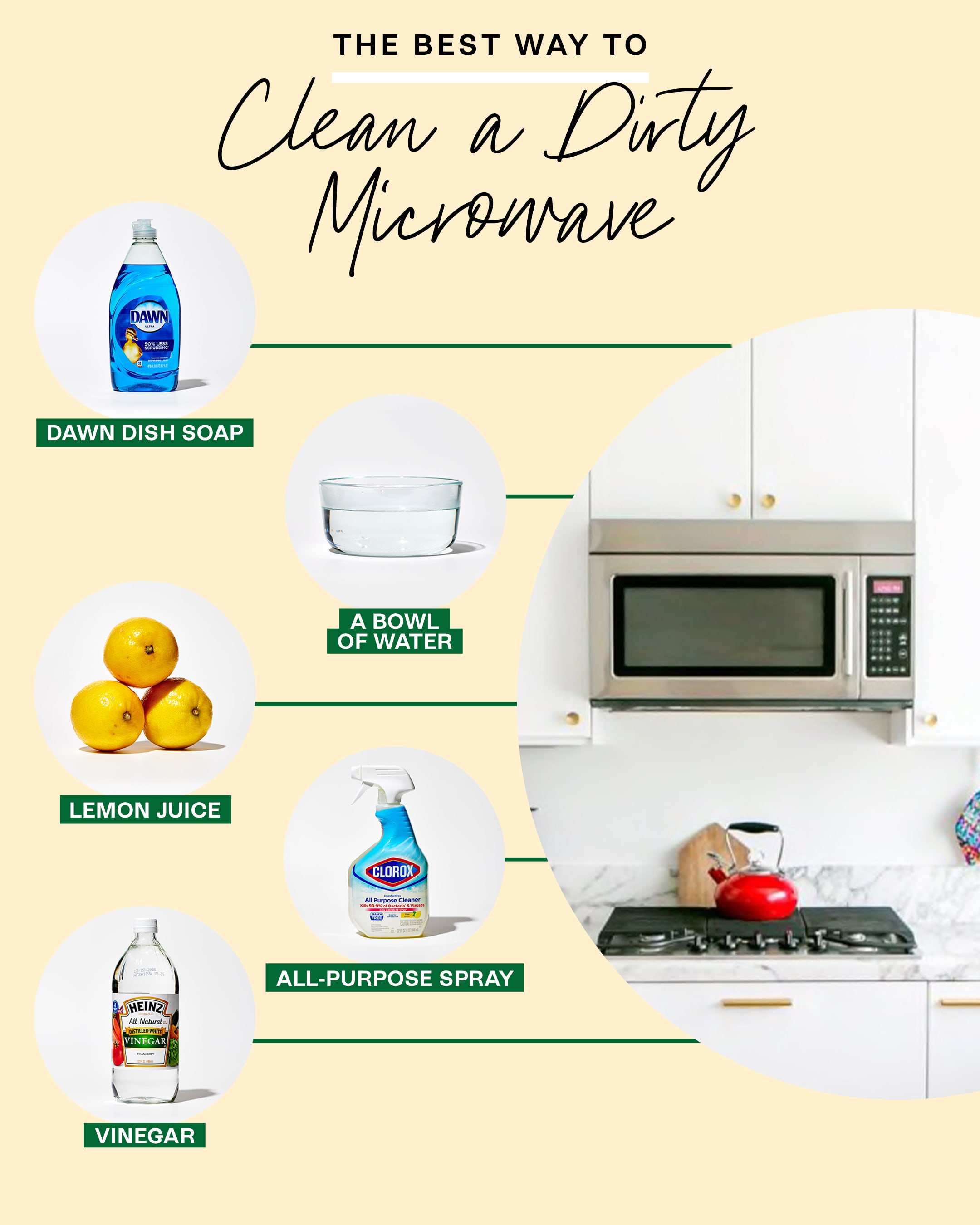
You might wonder, what’s the best way to clean your microwave without harsh chemicals? Luckily, you don’t need expensive cleaners or scrubbing endlessly. You’ll discover simple, effective ingredients you already have at home—like vinegar, lemon, and baking soda—that can make your microwave shine like new.
Keep reading to find out exactly what to clean the microwave with and how to do it quickly and easily, so your kitchen stays fresh and inviting.
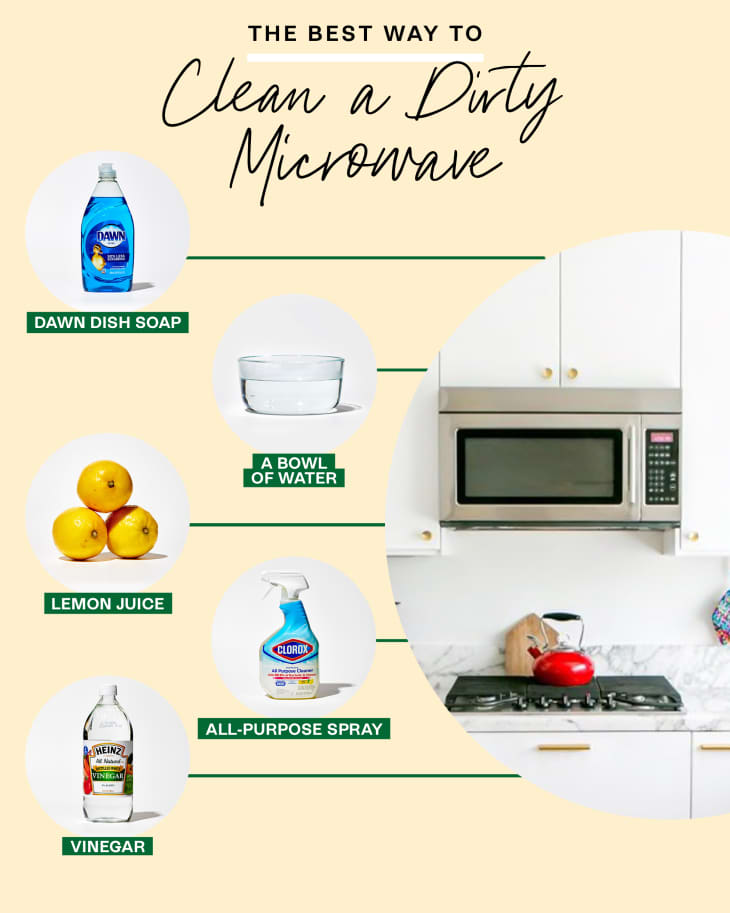
Credit: www.thekitchn.com
Steam Cleaning Method
The steam cleaning method is a simple and effective way to clean your microwave. It uses steam to loosen food stains and grime inside. This method avoids harsh chemicals and is safe for regular use. Steam softens the dirt, making it easy to wipe away. It also helps remove odors, leaving your microwave fresh.
Using common kitchen ingredients like vinegar or lemon makes this method natural and affordable. The process is quick and requires minimal effort. You only need a microwave-safe bowl, water, and either vinegar or lemon slices. After steaming, a damp cloth will clean the interior thoroughly.
Using Vinegar And Water
Fill a microwave-safe bowl with one cup of water. Add two tablespoons of white vinegar to the water. Vinegar helps break down grease and kills bacteria. Place the bowl inside the microwave for steaming. This mixture creates steam that loosens stuck-on food.
Lemon Slices Alternative
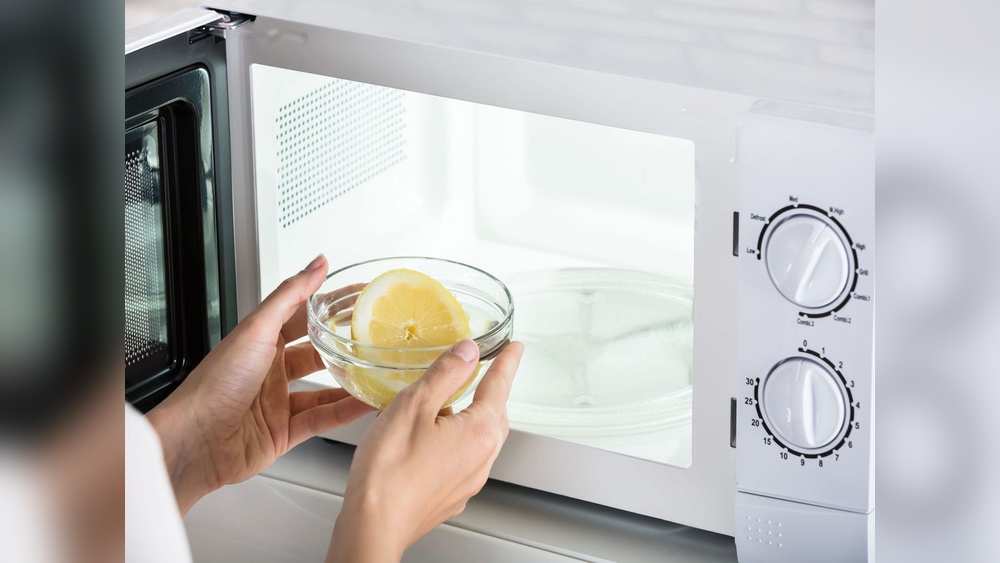
If you prefer a fresh scent, use lemon slices instead. Cut one lemon into thin slices and add them to the water. The lemon juice also helps cut through grime. Steam the lemon water in the microwave to freshen and clean. This method leaves a nice citrus smell behind.
Heating Process
Place the bowl with your chosen cleaner inside the microwave. Heat it on high for 3 to 5 minutes. The water will boil and produce steam inside the microwave. Leave the door closed for a few minutes after heating. This allows steam to work on tough stains. Carefully remove the bowl to avoid burns. Wipe down the interior with a damp cloth. The dirt should come off easily now.
Wiping Down Interior
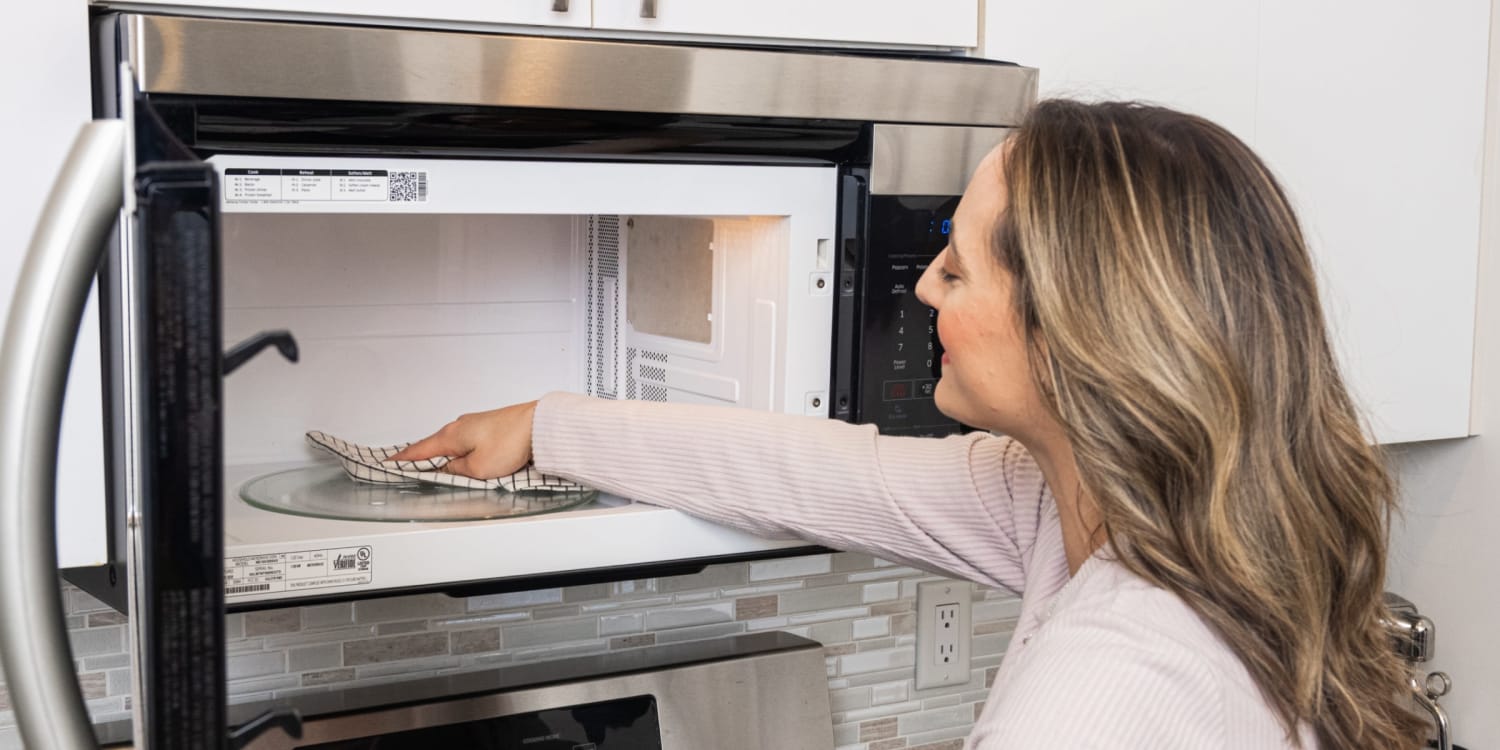
Wiping down the interior of your microwave keeps it clean and fresh. Food splatters and spills can build up quickly inside. Regular cleaning prevents stains and bad odors. Use simple, gentle methods to avoid damage. Start with removing parts that can be washed separately. Then clean the walls and door thoroughly. Finally, wash the turntable to complete the process.
Removing The Bowl And Turntable
Begin by carefully taking out the bowl and turntable. These parts often collect the most food residue. Handle them gently to avoid breaking. Set them aside for washing in the sink. Removing these parts makes cleaning the microwave interior easier. It also prevents water from getting inside the microwave’s electrical parts.
Cleaning Walls And Door
Use a soft cloth or sponge to wipe the walls and door. A mixture of water and vinegar or lemon works well. The steam from this mix loosens dried food particles. Wipe all surfaces thoroughly, including the ceiling and corners. For stubborn spots, apply a baking soda paste. Let it sit a few minutes, then scrub gently. Avoid harsh scrubbing to protect the microwave’s surface.
Washing The Turntable
Wash the turntable and bowl with warm, soapy water. Use a sponge to remove stuck-on food. Rinse them well to remove soap residue. Dry completely before placing them back inside. Clean turntable parts help prevent smells and keep the microwave hygienic. Regular washing keeps your microwave working smoothly.
Tackling Stubborn Stains
Stubborn stains in your microwave need extra care. They don’t come off with just a wipe. A simple home remedy can help break down tough grime. Baking soda is a natural cleaner that works well. It removes burnt-on food without harsh chemicals. Follow these easy steps to get your microwave spotless again.
Baking Soda Paste Recipe
Mix two tablespoons of baking soda with one tablespoon of water. Stir until it forms a thick paste. This paste is gentle but effective on stains. You can adjust the amount for bigger or smaller areas. Keep the paste ready for application.
Applying And Scrubbing
Spread the baking soda paste directly on the stained spots. Let it sit for 5 to 10 minutes. This gives the paste time to loosen the dirt. Use a soft sponge or cloth to scrub the area gently. Avoid hard scrubbing to protect the microwave surface.
Removing Residue
Wipe off the baking soda paste with a damp cloth. Rinse the cloth often to remove all residue. For best results, wipe the area twice. Leave the microwave door open to air dry. Your microwave will look cleaner and fresher instantly.
Credit: www.today.com
Exterior Cleaning Tips
Keeping the microwave exterior clean is important for both hygiene and appearance. Dirt, grease, and fingerprints can build up over time. Regular cleaning helps maintain the microwave’s look and prevents damage. Use gentle methods to avoid harming the surface or controls. Here are simple tips for cleaning the outside of your microwave safely and effectively.
Mild Soap Usage
Use a soft cloth with mild soap and warm water. Avoid harsh chemicals that can strip finishes. Dip the cloth lightly and wring out excess water. Wipe the microwave’s exterior gently to remove grease and dust. Rinse the cloth and wipe again to remove soap residue. Dry with a clean towel to prevent streaks.
Control Panel Care
Be very careful around the control panel. Do not spray water or cleaners directly on it. Lightly dampen a microfiber cloth with water or mild soap solution. Gently wipe the buttons and display without pressing too hard. Use a dry cloth to finish, ensuring no moisture seeps into the panel. This prevents damage and keeps controls responsive.
Drying Surfaces
Always dry the microwave exterior after cleaning. Use a soft, dry towel or microfiber cloth. Drying prevents water spots and streaks on the surface. It also stops moisture from entering crevices or the control panel. Make sure all parts are completely dry before using the microwave again.
Natural Cleaning Alternatives
Natural cleaning alternatives offer a safe and effective way to clean your microwave. These options avoid harsh chemicals and use ingredients found in most kitchens. They are gentle yet powerful enough to remove stains and odors.
Using natural cleaners helps maintain a fresh microwave without exposing your food to harmful residues. These methods also save money and reduce waste.
Baking Soda Benefits
Baking soda is a mild abrasive that removes tough stains. It deodorizes by neutralizing bad smells inside the microwave. Mix baking soda with water to form a paste. Apply it to stubborn spots and let it sit for a few minutes. Then, scrub gently with a sponge and wipe clean. Baking soda is safe and non-toxic, making it ideal for kitchen appliances.
Lemon Juice Uses
Lemon juice naturally cuts through grease and grime. It also leaves a fresh, citrus scent after cleaning. Place lemon slices in a bowl of water and microwave until it steams. The steam loosens food particles and softens stains. Wipe the interior with a damp cloth afterward. Lemon juice is a natural disinfectant and brightens surfaces without harsh chemicals.
Vinegar Advantages
Vinegar is a strong natural cleaner and deodorizer. It breaks down food splatters and kills bacteria. Combine white vinegar with water in a microwave-safe bowl and heat until steaming. The steam helps lift dirt from microwave walls. After steaming, wipe the inside with a soft cloth. Vinegar also helps remove odors, leaving your microwave smelling clean and fresh.
Safety And Maintenance
Keeping your microwave clean is not just about looks. It helps your appliance work well and keeps your food safe. Proper safety and maintenance protect you from harmful chemicals and damage. Simple habits can make your microwave last longer and stay fresh.
Avoiding Harsh Chemicals
Strong cleaners can harm the microwave’s inside parts. They may cause damage or leave dangerous residues. Choose natural cleaners like vinegar, lemon, or baking soda. These options clean well without risks. Avoid sprays with bleach or ammonia. They are unsafe for food appliances.
Regular Cleaning Schedule
Clean your microwave often to stop smells and stains. Wipe spills right after heating food. Set a routine to clean deeply every week or two. Regular care stops buildup and keeps the microwave fresh. This helps your appliance work better and last longer.
Handling Microwave Parts
Remove the turntable and wash it separately with mild soap. Handle glass and plastic parts gently to avoid cracks. Use soft cloths or sponges for cleaning. Never soak electrical parts or the microwave’s outer panel. Dry all parts fully before putting them back inside.
Credit: www.thekitchn.com
Frequently Asked Questions
What Is The Best Way To Clean The Inside Of A Microwave?
Fill a microwave-safe bowl with water and vinegar or lemon slices. Heat until steam forms. Wipe the interior with a damp cloth. For tough stains, apply a baking soda paste, scrub gently, then rinse. Clean the turntable separately with soap and water.
Dry all surfaces thoroughly.
Can I Clean The Microwave With Dish Soap?
Yes, you can clean the microwave with dish soap. Use a damp sponge with soap to wipe the interior gently. Rinse with a clean damp cloth to remove residue. Avoid harsh scrubbing to protect the microwave surfaces and ensure safe, effective cleaning.
What Should You Not Clean A Microwave With?
Avoid cleaning a microwave with harsh chemicals, bleach, abrasive scrubbers, or metal objects. These can damage surfaces and cause sparks. Use gentle, natural cleaners like vinegar or baking soda instead.
Can I Use Windex In The Microwave?
Avoid using Windex in microwaves; its chemicals can damage surfaces and release harmful fumes. Use water, vinegar, or lemon instead.
Conclusion
Cleaning your microwave does not have to be difficult. Use simple items like vinegar, lemon, or baking soda. Steam loosens food, making it easier to wipe away. Always clean the turntable separately with soap and water. Regular cleaning helps keep your microwave fresh and safe.
A clean microwave looks better and works more efficiently. Try these easy methods to keep your microwave spotless every time.