How To Clean A Sponge In The Microwave: Safe, Fast Guide
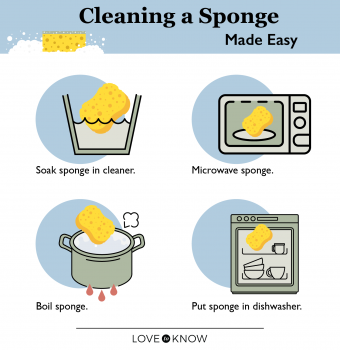
Thoroughly wet the sponge, microwave on high for 1–2 minutes, cool before using.
If you want to know how to clean a sponge in the microwave the right way, you’re in the right place. I’ve tested this method in real kitchens for years and studied what food safety experts advise. I’ll show you how to clean a sponge in the microwave safely, when it works best, and what to do instead when it doesn’t.
Why microwaving a sponge works (and when it doesn’t)
Microwaves heat water trapped in the sponge. Hot steam weakens many germs. This helps lower the germ load fast. That is why many home cooks trust this quick fix.
But it is not a magic trick. Research from food safety groups shows it can reduce many common microbes. It does not sterilize. It may not remove all spores or viruses. A very dirty or greasy sponge will not clean well in the microwave. Always wash out food bits first.
Use this method for daily upkeep. Replace old, smelly, or torn sponges. If you want a simple plan on how to clean a sponge in the microwave, I’ll walk you through it below.

Step-by-step: how to clean a sponge in the microwave
Follow these steps for safer results. I do this routine in my kitchen several times a week.
- Rinse the sponge well. Squeeze out crumbs and soap.
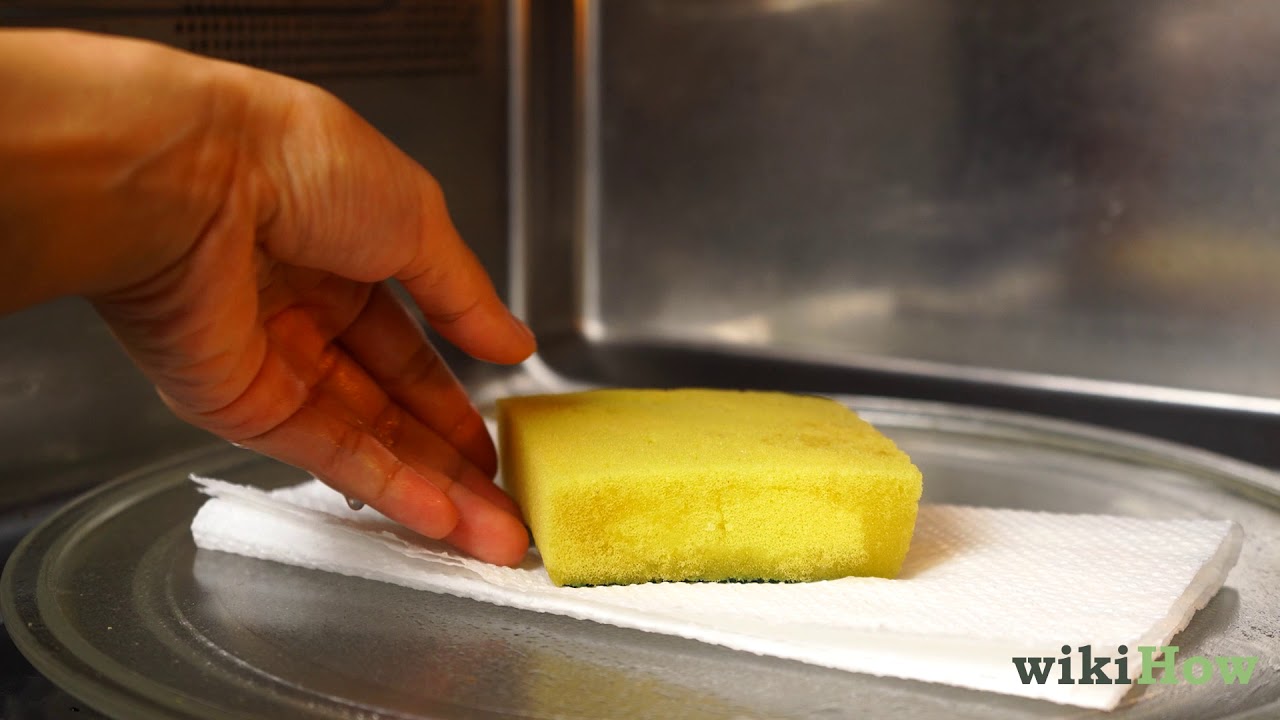
- Soak the sponge with clean water. It must be dripping wet. A dry sponge can scorch.
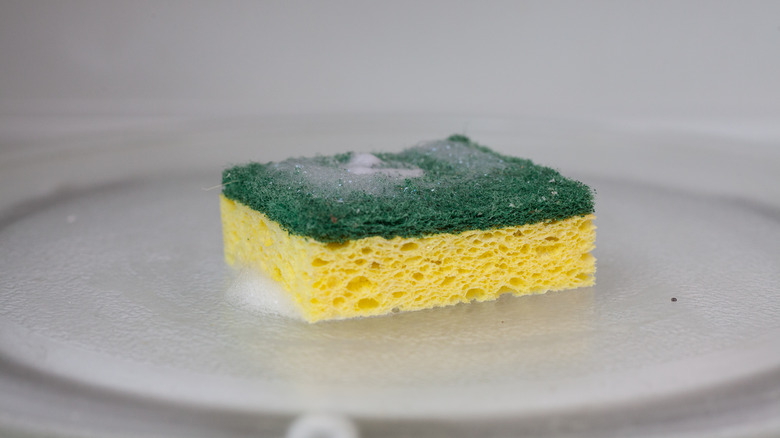
- Place it in a microwave-safe bowl. Add about half a cup of water to the bowl to keep steam high.
- Microwave on high for 1–2 minutes. Aim for visible steam. Two minutes gives a stronger hit.
- Let it sit in the microwave for 3 minutes. This prevents burns and lets heat work longer.
- Remove with tongs. It will be very hot.
- Rinse under cool water. Squeeze and stand it upright to air-dry fast.
If you search how to clean a sponge in the microwave, this is the core method that works. Keep the sponge very wet. That is the most important step.

Safety rules and common mistakes to avoid
Safety is key. Microwaves can burn or spark if used wrong.
- Do not microwave a dry sponge. Always soak it.
- Do not microwave sponges with metal scrub pads or metallic threads.
- Do not seal it in a closed container. Steam needs to escape.
- Do not walk away the first time. Watch for smoke.
- Do not use bleach in the microwave. It can make fumes.
I once rushed and heated a sponge that was only damp. It smoked in thirty seconds. Since then, I always pour water over it until it is heavy and dripping.

Simple upgrades that boost the clean
You can add safe boosters to the water. These help with smell and grime.
- White vinegar: Add two tablespoons to the bowl. It helps with odor.
- Lemon juice: Add two tablespoons. It leaves a fresh scent.
- Dish soap: A small drop in the pre-rinse helps release grease.
- Salt: A teaspoon in the pre-rinse adds light scrubbing power.
These add-ons make how to clean a sponge in the microwave more effective for daily care. Do not mix vinegar and bleach at any time.
How often to clean and when to replace
Clean your sponge in the microwave daily if you cook often. Do it after heavy raw meat prep. Rinse well with hot water after each use. Let it dry fast between uses.
Replace sponges often. A good rule is every one to two weeks. Replace sooner if it stays smelly, slimy, or stained. How to clean a sponge in the microwave helps, but it cannot save a worn-out sponge.
Smart alternatives to microwaving a sponge
Microwaving is quick. But other methods can be strong and steady.
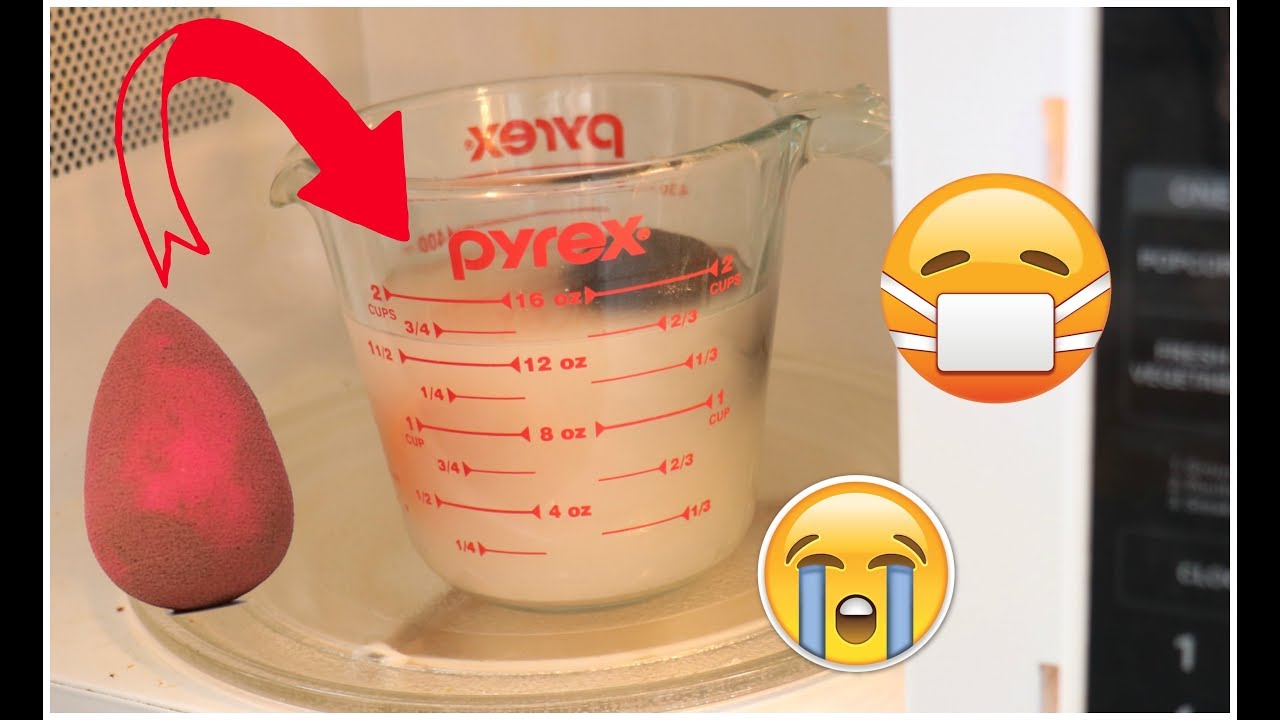
- Dishwasher sanitize cycle: Place the sponge on the top rack. Use a high-heat dry. This can be very effective and more even.
- Boiling: Boil the sponge for 5 minutes. This is simple and cheap.
- Diluted bleach soak: Use 3/4 teaspoon of regular bleach per 1 quart of water. Soak for 5 minutes, then rinse well. Never microwave after a bleach soak.
If you are not sure how to clean a sponge in the microwave safely, pick one of these options instead.
Troubleshooting: smells, scorching, or splatter
Things can go wrong. Here is how to fix them fast.
- Bad smell after microwaving: Rinse with hot water and vinegar. If the smell returns, replace the sponge.
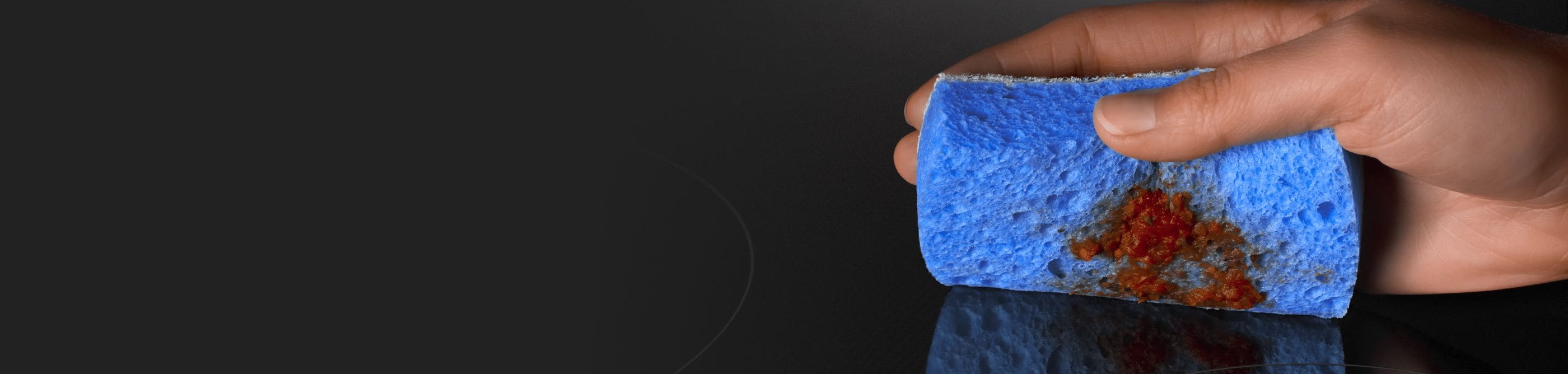
- Scorch marks: The sponge was too dry. Soak fully next time. If it is burnt, toss it.
- Sparks in the microwave: You likely had hidden metal. Discard the sponge and check the oven for damage.
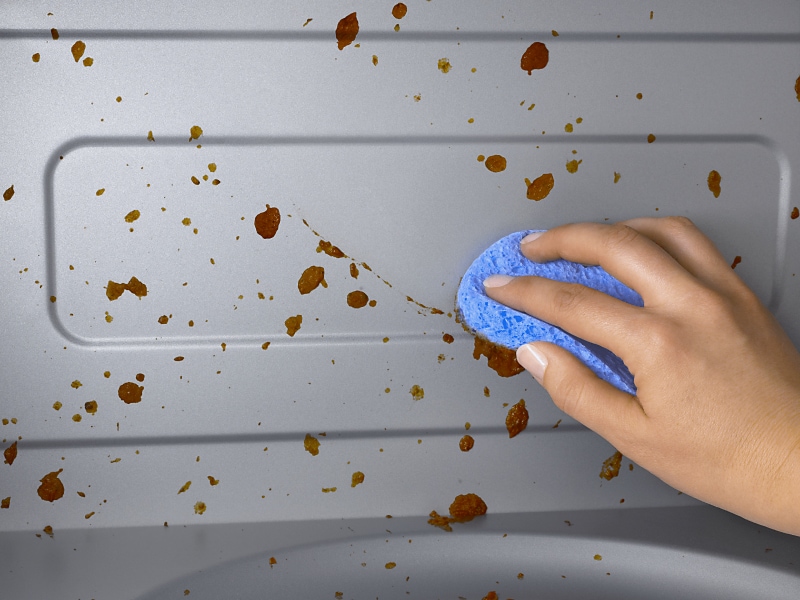
- Splatter or leaks: Use a bowl to catch water. Wipe the microwave after each use.
These tips make how to clean a sponge in the microwave easier and safer every time.
What microwaving can and cannot do
Here is the honest view. This balances real life and research.
What it can do:
- Reduce many common bacteria when the sponge is soaked and heated enough.
- Lower everyday kitchen risk if used often with good rinsing.
- Keep smells down when combined with vinegar or lemon.
What it cannot do:
- Guarantee full sterilization. Some spores and viruses may remain.
- Fix a very dirty, greasy, or old sponge.
- Replace good food safety habits like handwashing and clean cutting boards.
Public health research supports these points. Tests show high heat and steam help. Yet results vary with sponge type, soil level, and microwave power. That is why how to clean a sponge in the microwave should be part of a routine, not the only step.
Habits that keep sponges cleaner longer
Small habits make a big difference. They slow down germ growth.
- Rinse sponges with hot water after each use.
- Squeeze dry and stand upright to drain.
- Use separate sponges for raw meat areas and for dishes.
- Switch to quick-dry tools like scrub brushes for heavy jobs.
- Store sponges where air flows, not under the sink.
These habits reduce how often you need how to clean a sponge in the microwave. They also extend the life of each sponge.
Frequently Asked Questions of how to clean a sponge in the microwave
Does microwaving a sponge really kill germs?
Microwaving a very wet sponge can reduce many common germs. It does not sterilize and results vary with soil and microwave power.
How long should I microwave a sponge?
One to two minutes on high works for most home microwaves. Make sure the sponge is soaked and steaming, then let it cool inside.
Can I add bleach when I microwave the sponge?
No. Do not microwave bleach. It can release harmful fumes. If you use a bleach soak, rinse well and skip the microwave.
Is it safe to microwave a cellulose or foam sponge?
Yes, if it has no metal and is fully soaked. Always test for 1 minute the first time and watch closely.
How often should I do this?
If you cook daily, clean the sponge in the microwave once a day. Replace the sponge every one to two weeks, or sooner if it smells.
What if my microwave is low power?
Run 2 minutes, then rest 1 minute, and check heat. Add 30–60 seconds if the sponge is not steaming, keeping it very wet.
Can I clean scrub pads this way?
Only if they have no metal. Many scrub pads contain metal or coatings that can spark. When unsure, use the dishwasher or boiling instead.
Conclusion
You now know how to clean a sponge in the microwave with confidence. Keep it soaked, heat it for 1–2 minutes, and let it cool. Use upgrades like vinegar for smell, and switch to other methods when needed. Replace worn sponges fast and build simple daily habits.
Try this method tonight after dinner. Then set a reminder to refresh your sponge routine each week. Want more smart kitchen hygiene tips? Subscribe for updates or drop your questions in the comments.