What Is The Best Wattage For A Microwave: Quick Guide
For most homes, 900–1,000 watts offers the best blend of speed and control.
Choosing what is the best wattage for a microwave sounds simple, but your habits matter. I test and review kitchen gear for a living, and wattage is a big part of how a microwave cooks. In this guide, I break down real results, common use cases, and pro tips so you can pick the right power and get better, faster meals.
How microwave wattage works and why it matters
Microwave wattage is cooking power. Higher watts heat food faster and more evenly. Lower watts need more time and can leave cold spots.
Most home units range from 700 to 1,200 watts. Commercial models go higher. The answer to what is the best wattage for a microwave depends on your food, time, space, and budget.
In simple terms, watts equal speed. A 1,000-watt unit can boil 1 cup of water in about 2 minutes. A 700-watt unit may take 3 to 3.5 minutes. In my test kitchen, 1,000 watts gave the most reliable reheats and defrosts with fewer dry edges.
You will also see inverter models. They hold steady power at lower levels, which helps with fish, custards, and chocolate. Standard models pulse on and off. Both can work well, but inverter units have smoother results at 50 percent power.

Quick guide: choose the right wattage for your life
If you ask what is the best wattage for a microwave, start with your daily use. Then match a range.
- Dorms, RVs, or very tight budgets: 700–800 watts. It works, but plan longer times.
- Small kitchens and light use: 900 watts. Good balance for oatmeal, coffee, and leftovers.
- Most families and meal preppers: 1,000–1,100 watts. Fast, even, and forgiving.
- Serious home cooks and big dishes: 1,200–1,300 watts. Great for large casseroles and batch cooking.
- Professional or heavy-duty needs: 1,400+ watts. Very fast, but check your circuit and space.
Pro tip from my tests: 900–1,000 watts is the sweet spot for most people. It hits speed without scorching edges and fits on a standard 15-amp kitchen circuit.
Cooking performance by wattage range
600–800 watts
These are common in dorms and offices. They are slow but usable. If you wonder what is the best wattage for a microwave in tight spaces, this range keeps costs and draw low.
- 1 cup water: about 3 to 4 minutes.
- Frozen meals: add 30–60 percent more time than label assumes.
- Best for: coffee reheat, oatmeal, soup, and small plates.
900–1,000 watts
This is the sweet spot for most kitchens. It balances speed and control.
- 1 cup water: about 2 to 2.5 minutes.
- Leftovers: even heating with fewer hot spots.
- Best for: daily use, meal prep bowls, veggies, rice, and defrosts.
If someone asks what is the best wattage for a microwave for a family, I point here first.
1,100–1,300 watts
Fast and powerful. Great for large portions.
- 1 cup water: about 1.5 to 2 minutes.
- Big plates: better depth heat for thick stews and lasagna.
- Watch the edges: use lower power for delicate foods.
For many cooks who ask what is the best wattage for a microwave for big meals, this range fits well.
1,400+ watts
These are very fast and often pro-grade.
- Best for: high volume, big trays, or shared kitchens.
- Needs: strong ventilation and a dedicated outlet.
- Consider skills: you must adjust power levels or risk overcooking.
This level is not what is the best wattage for a microwave for most homes. It is more than many people need.

Energy use, costs, and safety
Microwave cooking is efficient. It puts energy into the food, not the air. A 1,000-watt unit run for 10 minutes uses about 0.167 kWh of cooking power. The wall draw is higher, but the cost per use is still low. At average rates, that is only a few cents.
When you weigh what is the best wattage for a microwave, think about your circuit. Many kitchens have 15-amp circuits. Most 700–1,200 watt models are fine. Leave space for airflow. Keep vents clear. Use a surge protector only if the maker allows it. Many do not.
Safety tips from the field:
- Keep the interior clean. Spills can burn and cause odors.
- Do not run it empty. It can damage the magnetron.
- Use microwave-safe glass or ceramic. Avoid metal trim.
Features that matter as much as wattage
Wattage is not the whole story. A smart set of features can beat raw power.
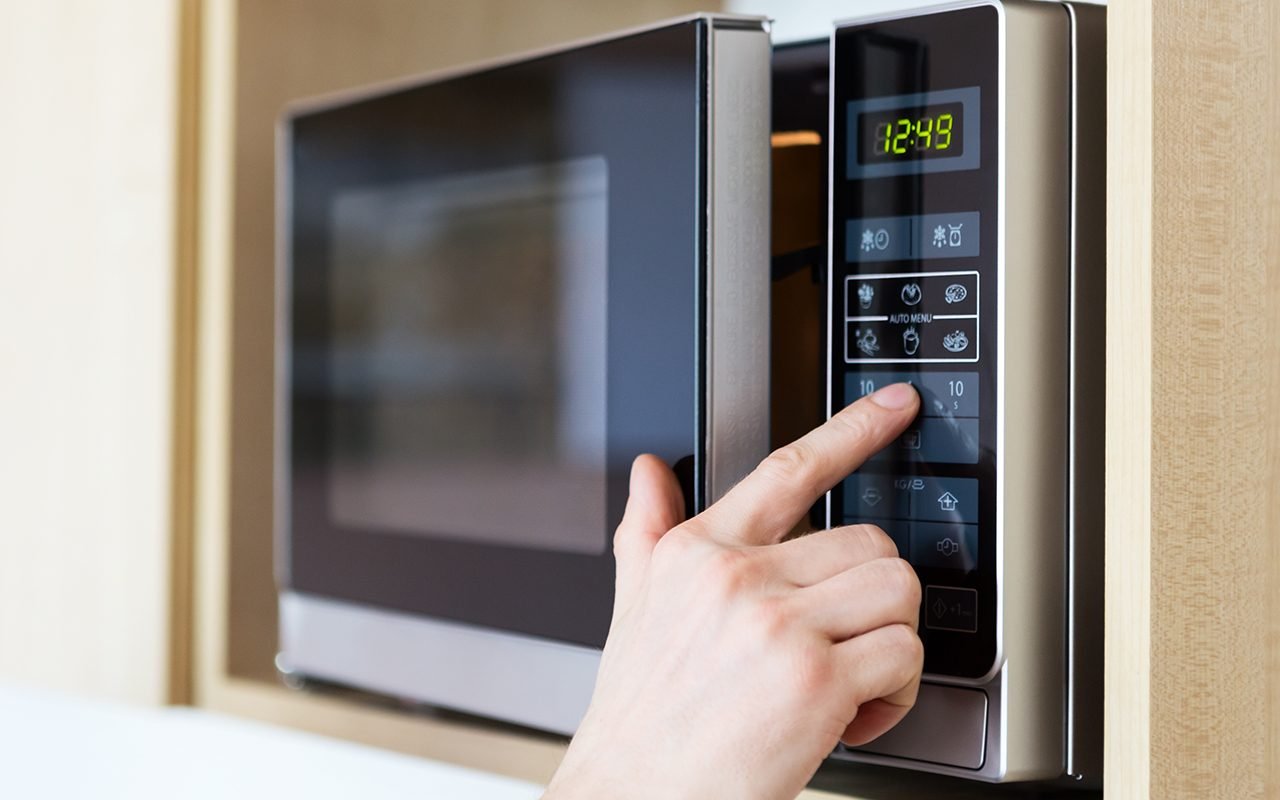
- Inverter technology: smoother low-power cooking and better defrosts.
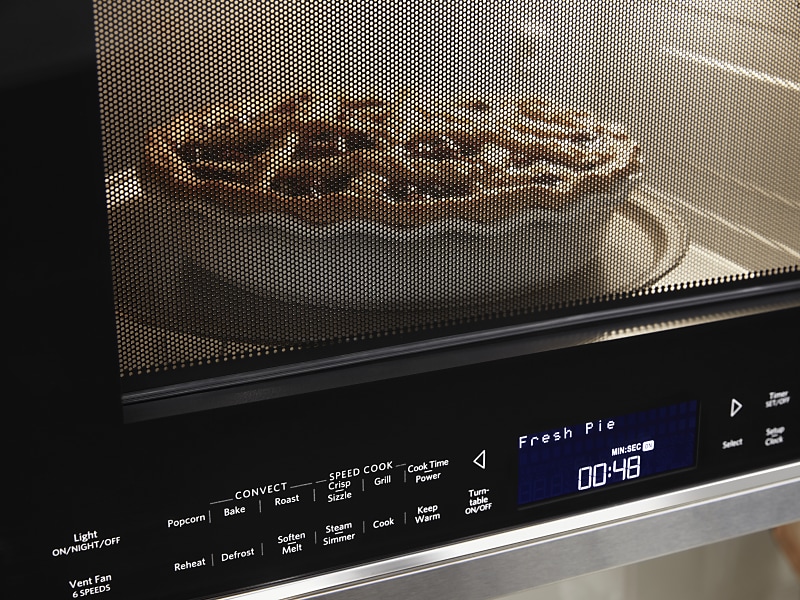
- Sensor cook and reheat: uses steam to adjust time. Very reliable for leftovers.
- Turntable or stirrer: helps reduce cold spots.
- Size and shape: check internal width and height for your plates and mugs.
- Easy controls: big buttons, clear labels, and a mute option for late nights.
- Build quality: a solid door seal and firm turntable support go a long way.
If you want what is the best wattage for a microwave for even results, pair 900–1,000 watts with inverter and sensor features. That combo shines in my tests.

How to estimate or calibrate your microwave wattage
If you do not know your wattage, try a quick water test.
- Add 1 cup of room-temperature water to a microwave-safe glass.
- Heat on full power. Watch for a rolling boil.
- 1.5–2 minutes suggests about 1,200 watts. About 2 minutes is near 1,000. About 3 minutes is near 700–800.
- Use this to tune your times.
To adapt a recipe to your unit, use this simple rule:
New time = Recipe time × Recipe wattage ÷ Your wattage.
If a package assumes 1,100 watts and you have 900, multiply by 1,100/900. A 4-minute cook becomes about 4.9 minutes. This solves many problems tied to what is the best wattage for a microwave. It is less about the label, and more about the match.
Field note: I defrost meat at 30 percent power with inverter models. It keeps edges from cooking while the center thaws.
Frequently Asked Questions of what is the best wattage for a microwave
Is 700 watts enough for daily use?
Yes, for light tasks. Plan longer times for frozen meals, rice, and thick leftovers.
Is 1,000 watts better than 900 watts?
It is a bit faster and often more even. Many labels assume 1,000–1,100 watts, so directions will match well.
What is the best wattage for a microwave for a family of four?
Most families do best with 1,000–1,100 watts. It handles bigger plates and batch reheats without long waits.
What is the best wattage for a microwave for dorm rooms?
Go with 700–900 watts if outlets are limited. It is safer for shared circuits and small spaces.
Does higher wattage ruin delicate foods?
Not if you use lower power levels. For fish, butter, or chocolate, use 30–50 percent power and shorter bursts.
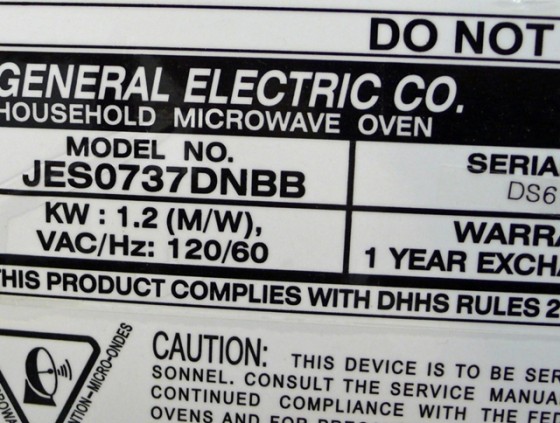
How do I know the wattage of my current microwave?
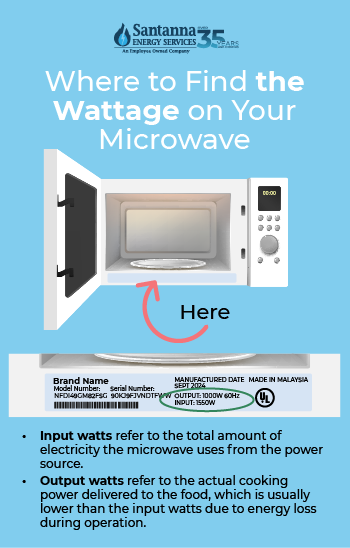
Check the label inside the door or on the back. If you cannot find it, do the 1-cup water test and estimate.
Do inverter microwaves cook faster at the same wattage?
They cook more evenly at lower power, which can seem faster. The top power is the same, but results are smoother and more consistent.
Conclusion
The simple rule holds: most homes are happy at 900–1,000 watts. It offers speed, control, and even heating with few trade-offs. If you cook big trays or want max speed, try 1,100–1,200 watts. For small spaces and tight budgets, 700–800 watts works with longer times.
Now pick your best match. Use the water test. Adjust times with the wattage formula. Then enjoy faster, better meals. If this helped you decide what is the best wattage for a microwave, share your setup, subscribe for more kitchen tips, or ask a question in the comments.